A JOURNAL OF ARTIFICIAL INTELLIGENCE
my ai daily

FRONTIER LABS PRODUCT SECTION / CHALLENGERS, BENCHMARKS & INFRA

Others: Mistral, Xiaomi MiMo, StepFun, Seed, NVIDIA, Cohere, MiniMax, Benchmarks & Infra.

Beyond Qwen, GLM and Kimi, Frontier Labs tracks global and Chinese challengers—from Xiaomi MiMo-V2.6, StepFun Step 5, ByteDance Seed2.1 Pro, Mistral Large 4 and MiniMax M3.1 to NVIDIA, Cohere, Ai2, Microsoft, LongCat 2.5, Hy4 and Manus—alongside cross-lab benchmarks, MCP architecture, API rate cards and inference infrastructure.

OMISTRAL · MIMO-V2.6 · STEP 5 · SEED2.1 · NVIDIA · COHERE · MINIMAX

01 · MODEL DIRECTORY & RELEASE INDEX

Global Challenger & Open-Weight Roster

RELEASED MODELS · 28 ENTRIESMODEL NAME (RELEASE DATE)
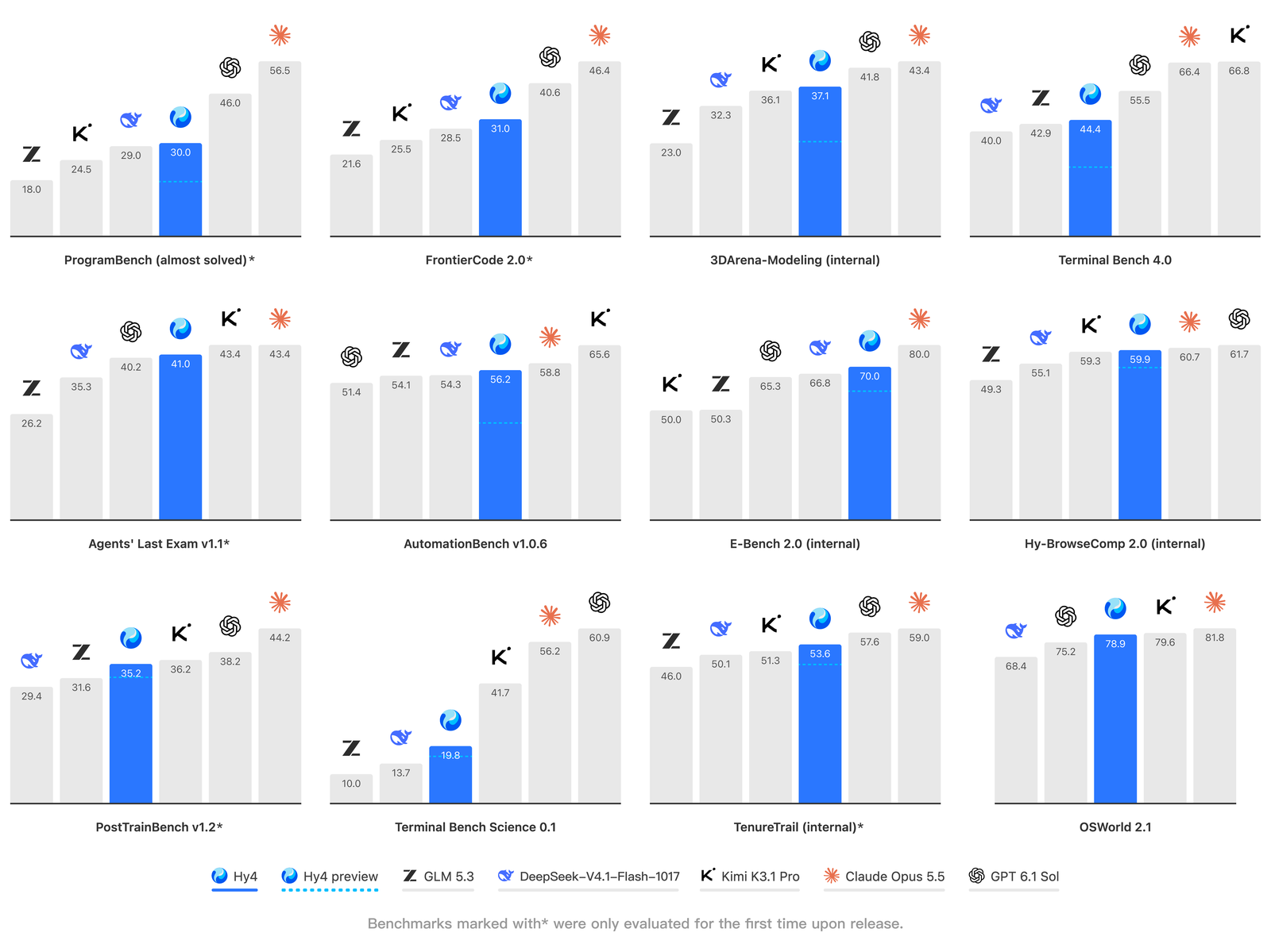
Tencent Hy4 flash (Nov 16, 2026)
224B total (64B Engram) / 12B active LatentMoE with 1M multimodal context · 1/6 Hy4 KV cache, $0.070/$0.281 API, 1/20 WorkIndex cost vs Hy4 (19.2 Terminal-Bench 4.0).
MiniMax H3-Image (Nov 10, 2026)
Open-weight 33.1B DiT visual generation model under MiniMax Community License requiring ~135GB VRAM for full precision.
Seedream 5.5 (Nov 9, 2026)
ByteDance Seed image generation & 100-turn conversational editing model announced ahead of public API callability.
NVIDIA Lyra 2.0 (Nov 9, 2026)
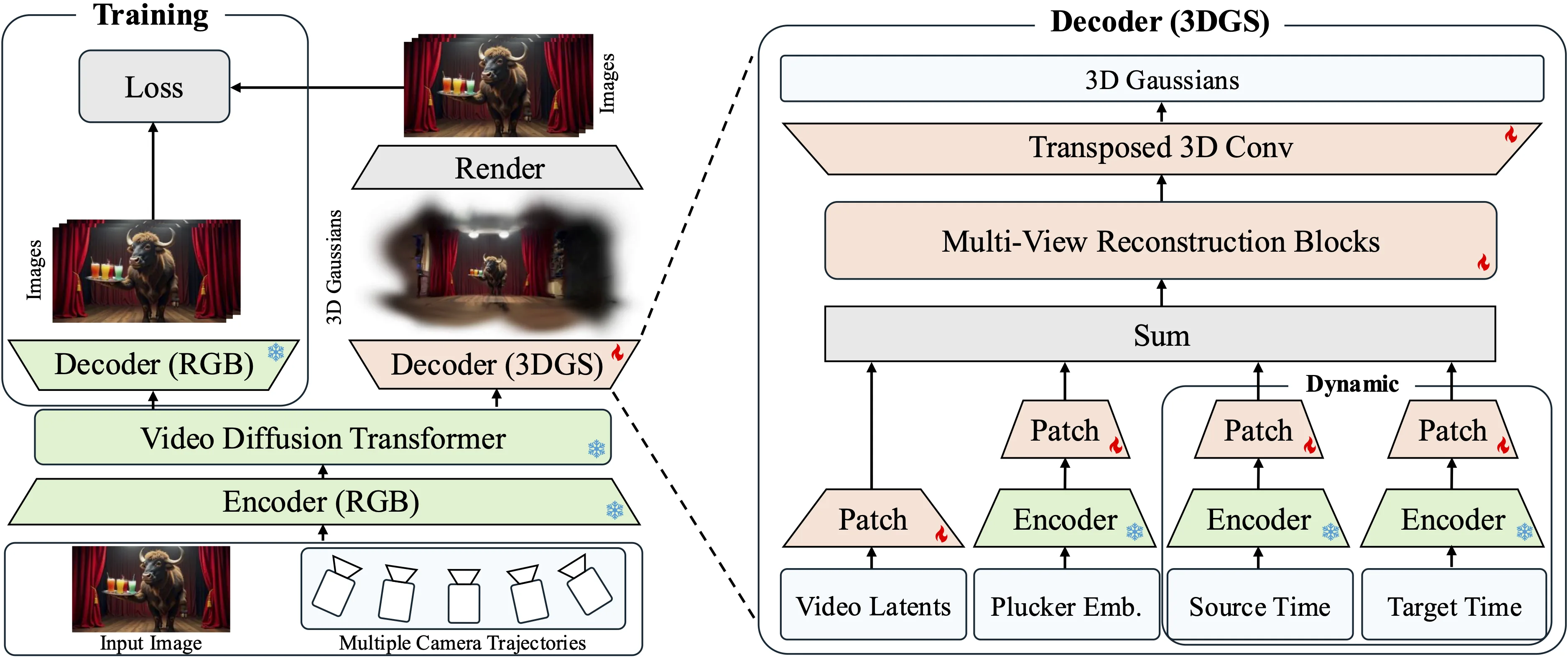
3D scene and Gaussian Splatting generator pairing Apache-2.0 inference code with research-restricted weights.
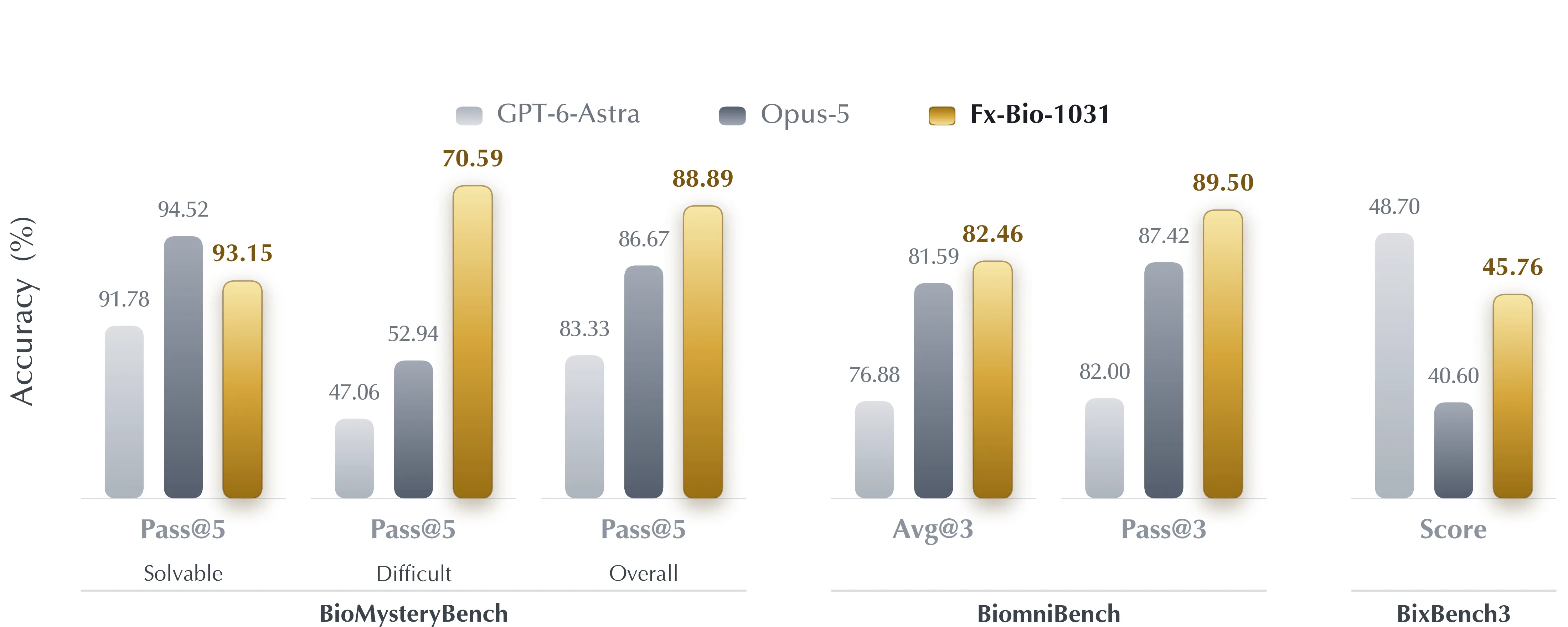
Fx-Bio-1031 (Oct 31, 2026)
Endless Frontier bioinformatics MoE built on Qwen3.8-Flash-Next (180B total / 6B active, 524K context, Qwen Community License 1.0) claiming 70.59% Pass@5 on BioMysteryBench Difficult inside its internal harness.
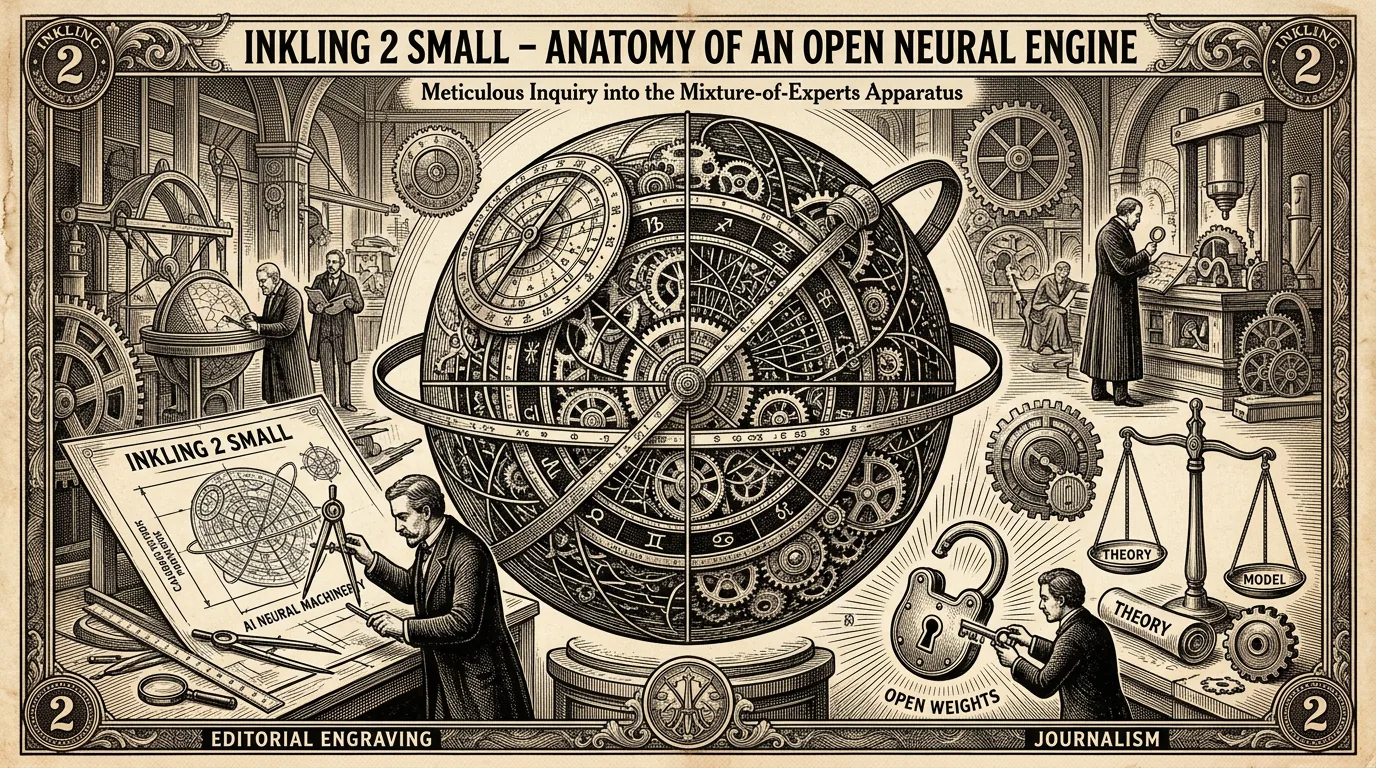
Inkling 2 Small (Nov 6, 2026)
Thinking Machines open reasoning checkpoint (Nov 12 Apache 2.0 release: 393.5 GB NVFP4 / 622.8 GB MXFP8, 594B/17B MoE, DSpark). WebDev Arena #27 (1644±18) · AI Intelligence #56 (31).
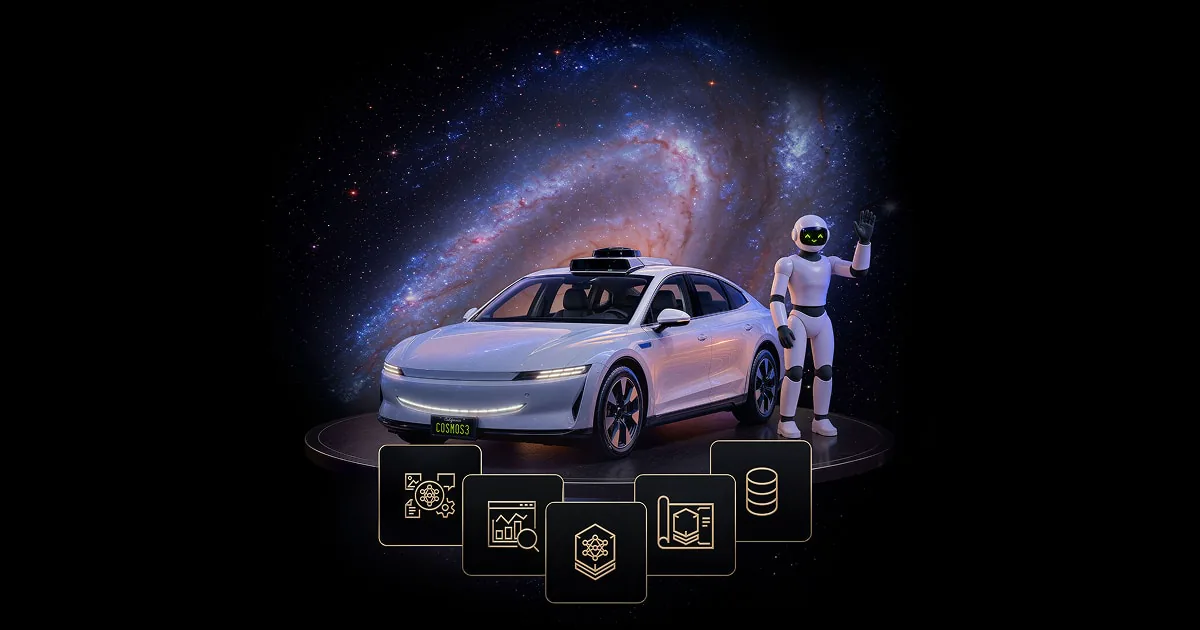
NVIDIA Cosmos 3 Nano 16B (Nov 5, 2026)
Physical AI post-training world foundation checkpoint distributed under NVIDIA OpenMDW 1.1 license terms.
Tencent Hy4 (Nov 4, 2026)
770B MoE flagship built for vision, GUI computer use & enterprise finance (open weights promised) · Nov 14, 2026 edition: #26 WebDev (1632±10), #45 AA Index (35).
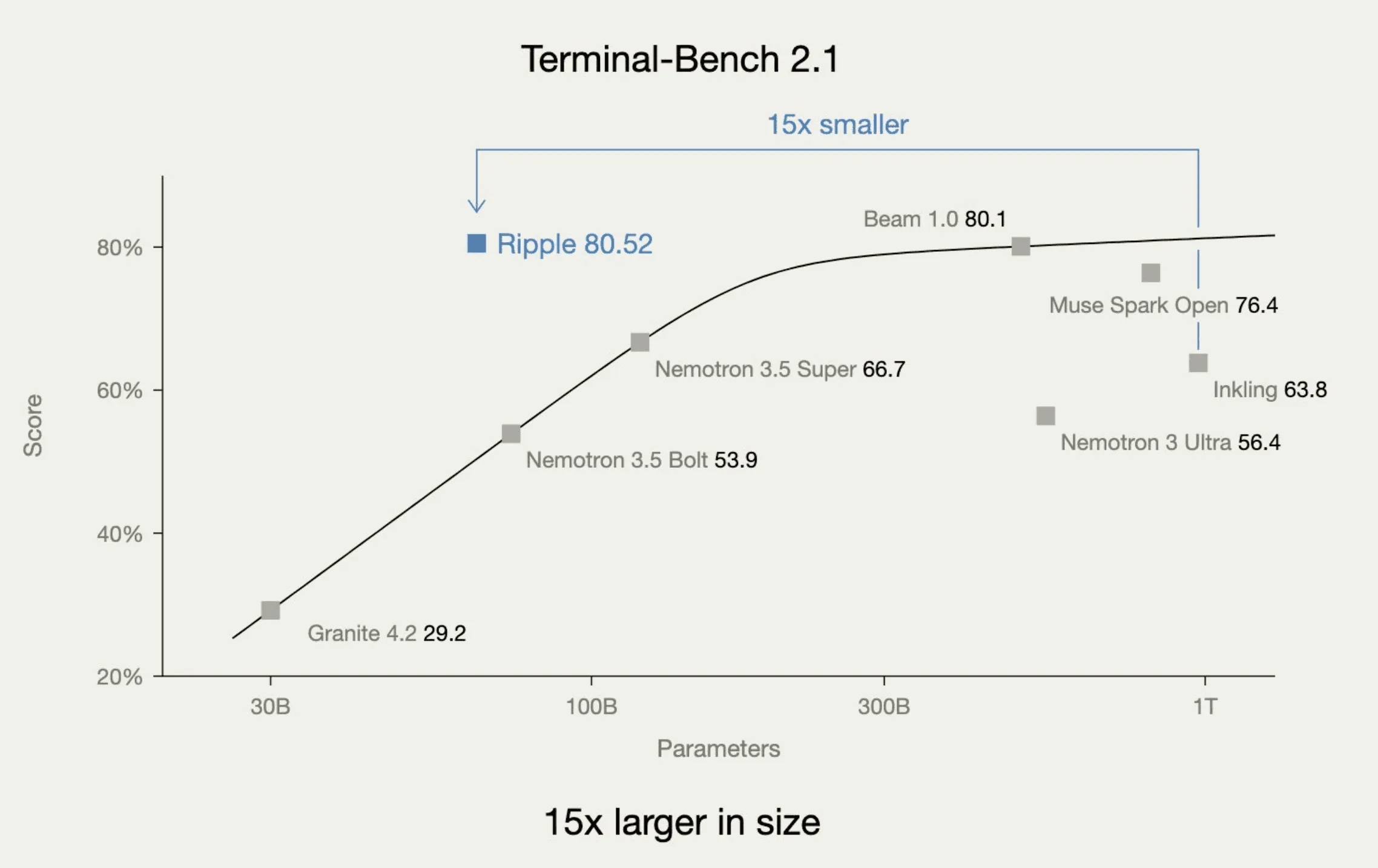
Ripple-65B (Nov 4, 2026)
Ricursive dense 65B 1M-context reasoning preview released under permissive Apache-2.0 open weights.
LongCat 2.5 (Nov 1, 2026)
Meituan 1.6T total / 48B active open-weight model (Sep 25 preview; Nov 1 report / Nov 2 GA) under MIT license.
Mistral Large 4 (Oct 29, 2026)
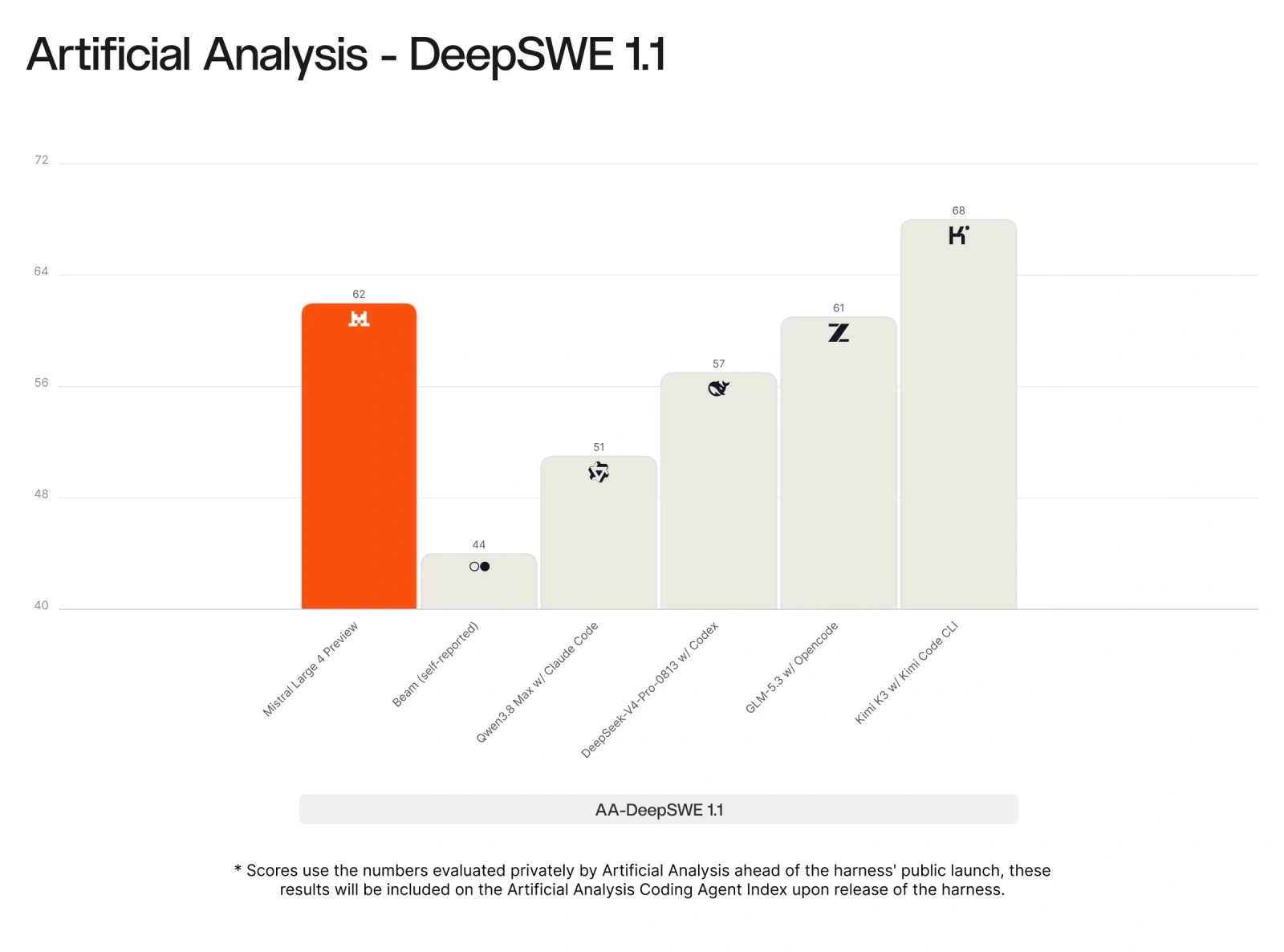
Open-weight "Le Chonk" 1.05T / 52B active flagship (1M context, Oct 6 preview, $0.70/$2.10 API). Coding Agent #29 (40.6) · WebDev Arena #52 (1568±13) · AI Intelligence #71 (26).
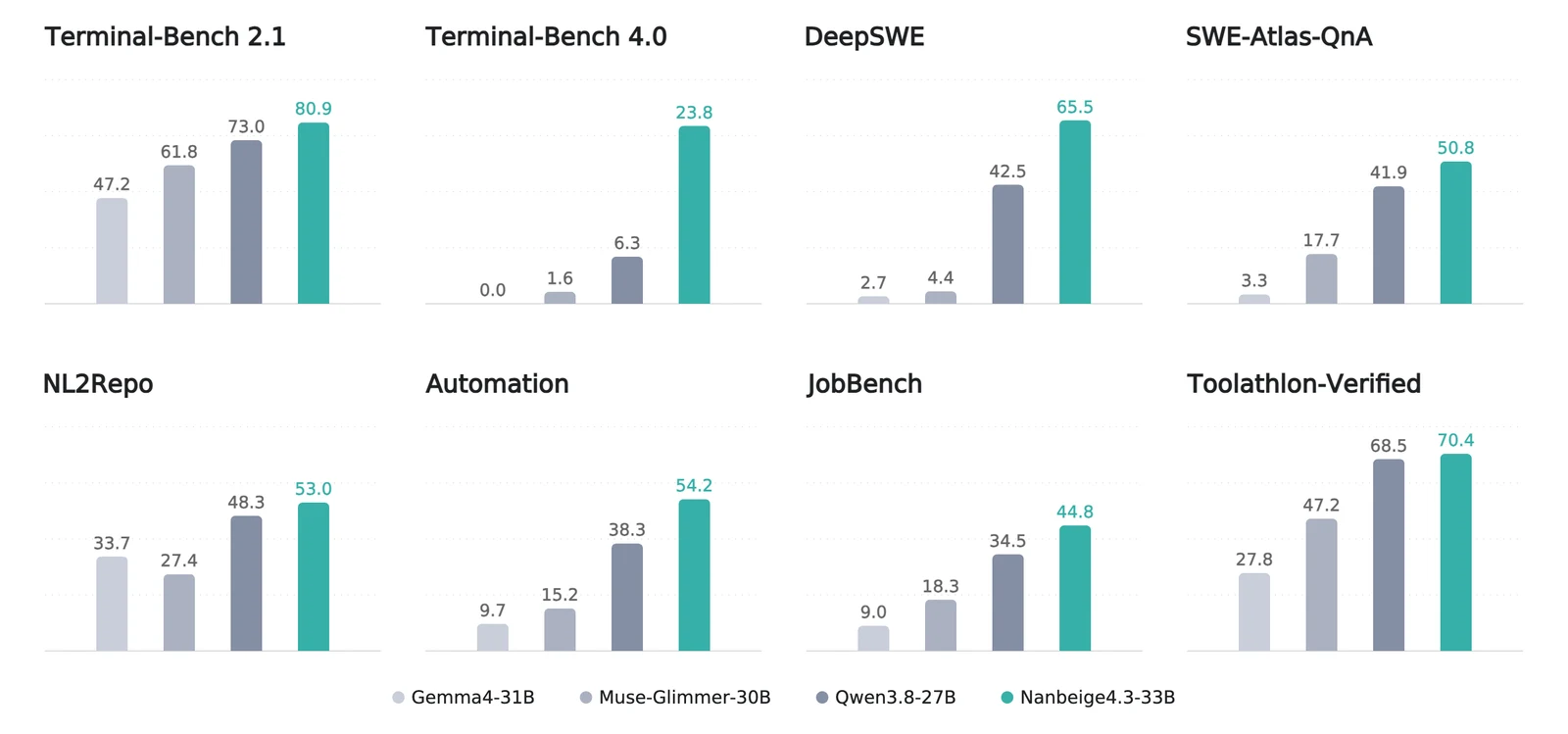
Nanbeige4.3-33B (Oct 25, 2026)
BOSS Zhipin compact 33B open checkpoint built for coding and office agents (80.9 Terminal-Bench 2.1 reported).
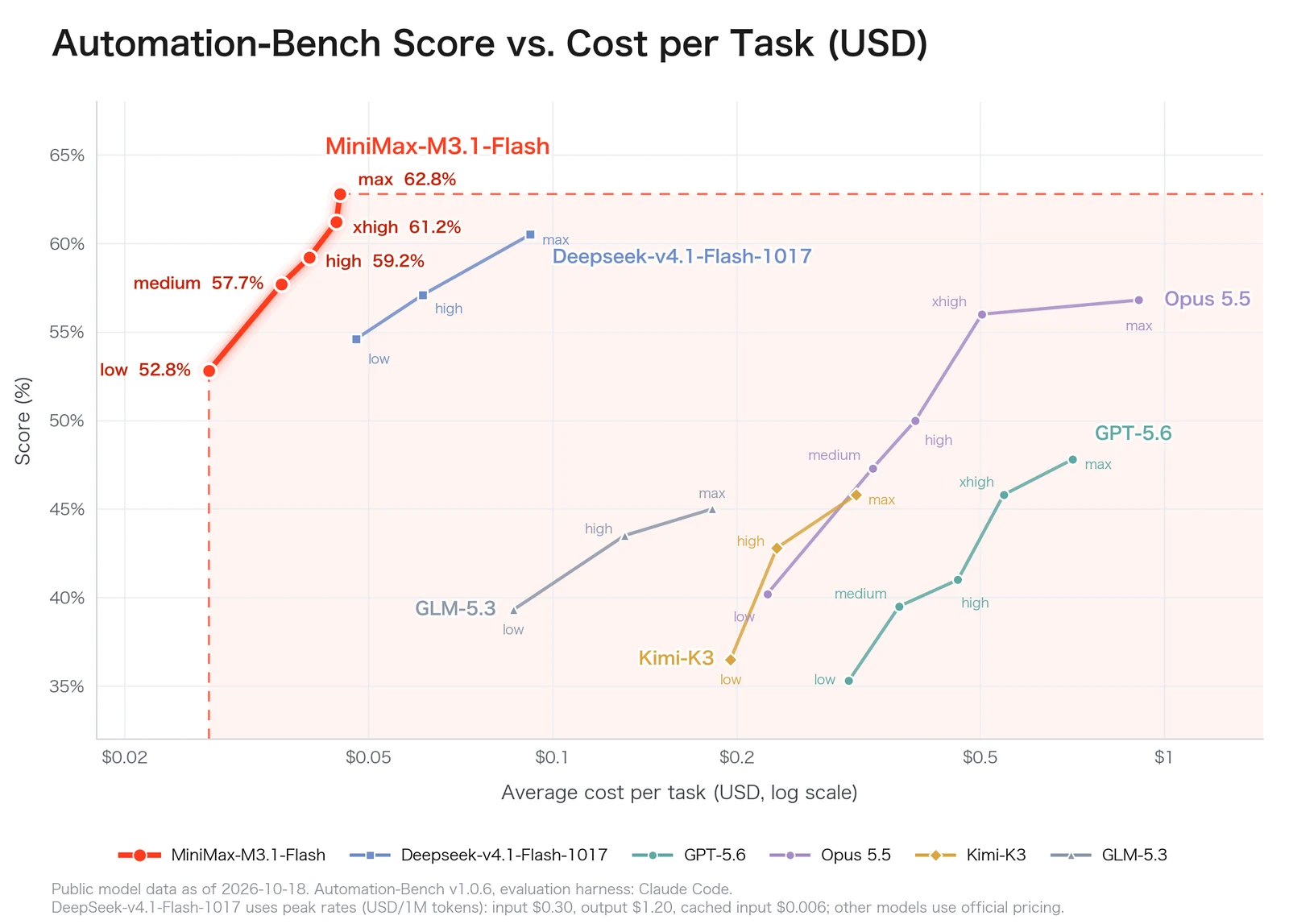
MiniMax-M3.1-Flash (Oct 19, 2026)
High-efficiency open-weight multimodal agent checkpoint. WebDev Arena #47 (1582±9) · AI Intelligence #62 (29).
Kling 4.0 (Oct 15, 2026)
Kuaishou video & motion generation flagship (Flash Sep 28; global Oct 15) with split Pro 4K web subscription tiers ($37/mo).
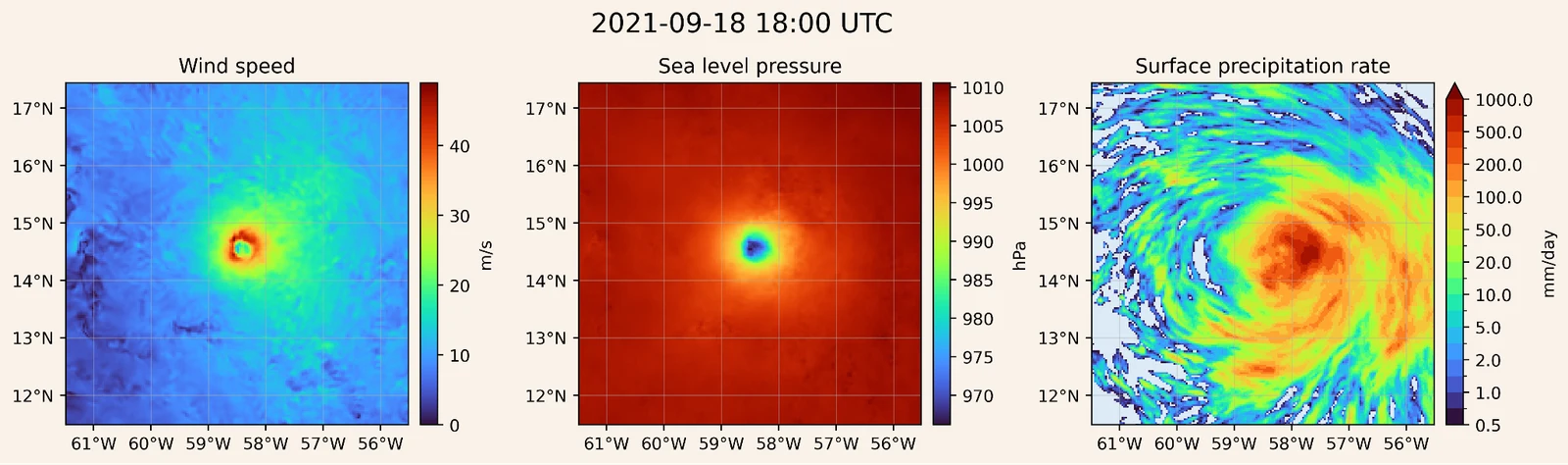
Ai2 HiRO-ACEv2 (Oct 14, 2026)
Open-source climate emulator adding high-resolution wind and surface pressure predictions alongside rainfall simulation.
Ai2 Bolmo (Oct 7, 2026)
Open byte-level language model checkpoints and Olmo-conversion methodology published in Nature.
Ai2 AstaBrief 8B (Oct 2, 2026)
Open-weight 8B model with released training data built for cited scientific literature synthesis.
Cohere Embed 5 (Sep 30, 2026)
Shared-space text & image enterprise retrieval family (Pro and Fast tiers, 128K context, 100+ languages).
MiMo-V2.6-Pro (Sep 22, 2026)
Xiaomi 1.02T total / 42B active omnimodal 1M-context flagship under MIT. Text Arena #14 (1492±9) · WebDev Arena #33 (1623±7) · AI Intelligence #58 (30).
MiMo-V2.6-Flash (Sep 22, 2026)
Fast Xiaomi MIT companion released alongside V2.6-Pro. WebDev Arena #29 (1636±7) · Text Arena #56 (1450±5) · AI Intelligence #70 (27).
Step 5 Preview (Sep 20, 2026)
StepFun ~600B (~27B active) 1M-context reasoning preview (open weights Oct 15). Coding Agent #35 (35.8) · WebDev Arena #51 (1571±8) · AI Intelligence #65 (29) · Text Arena #71 (1443±6).
MAI-Transcribe-2 (Sep 3, 2026)
Microsoft AI speech recognition API scaling past 8.22M weekly requests across audio-hour pricing tiers.
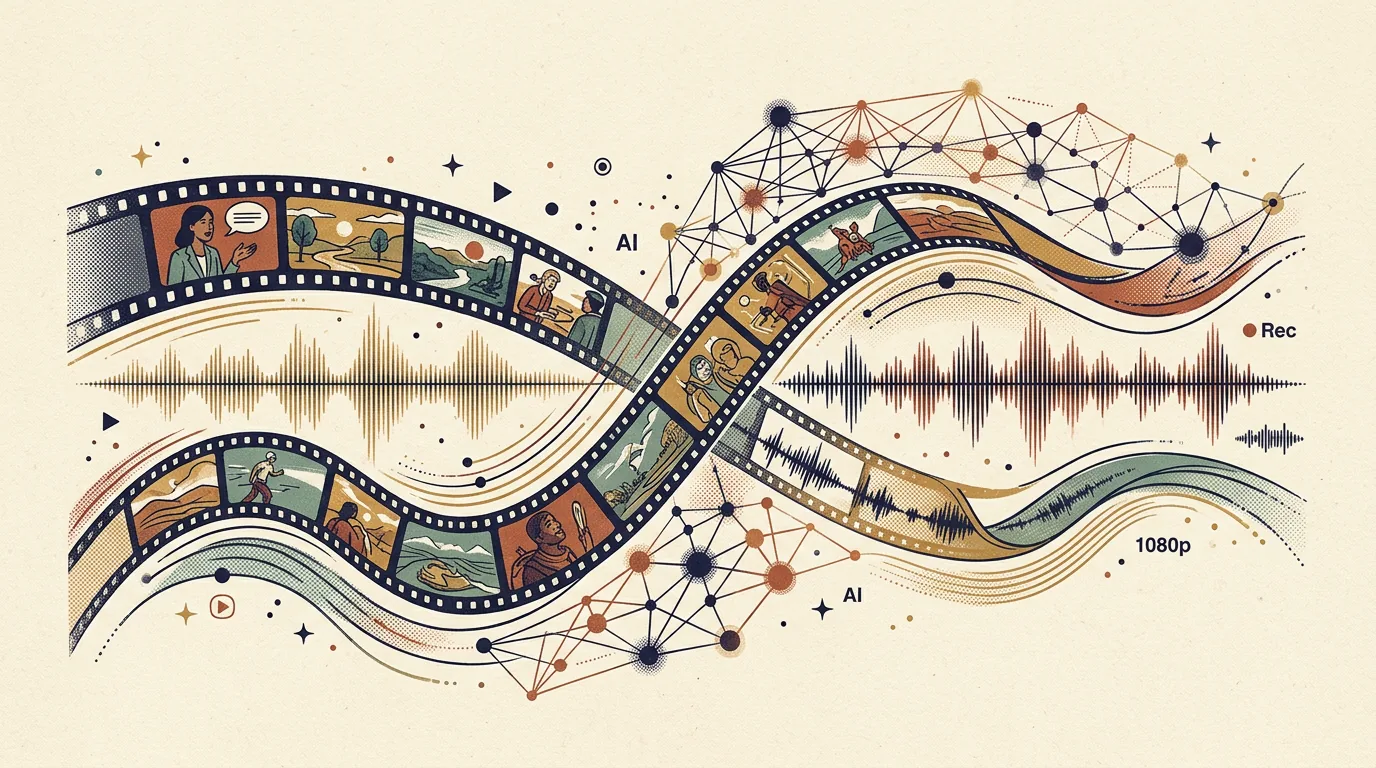
Wan 3.0 & Wan 3.0-Prime (Aug 6–24, 2026)
Alibaba Cloud unified 30s 1080p audio-video model (#1 AA-Video-T2V v2.1 at 1175 Elo; closed-weight Model Studio API).
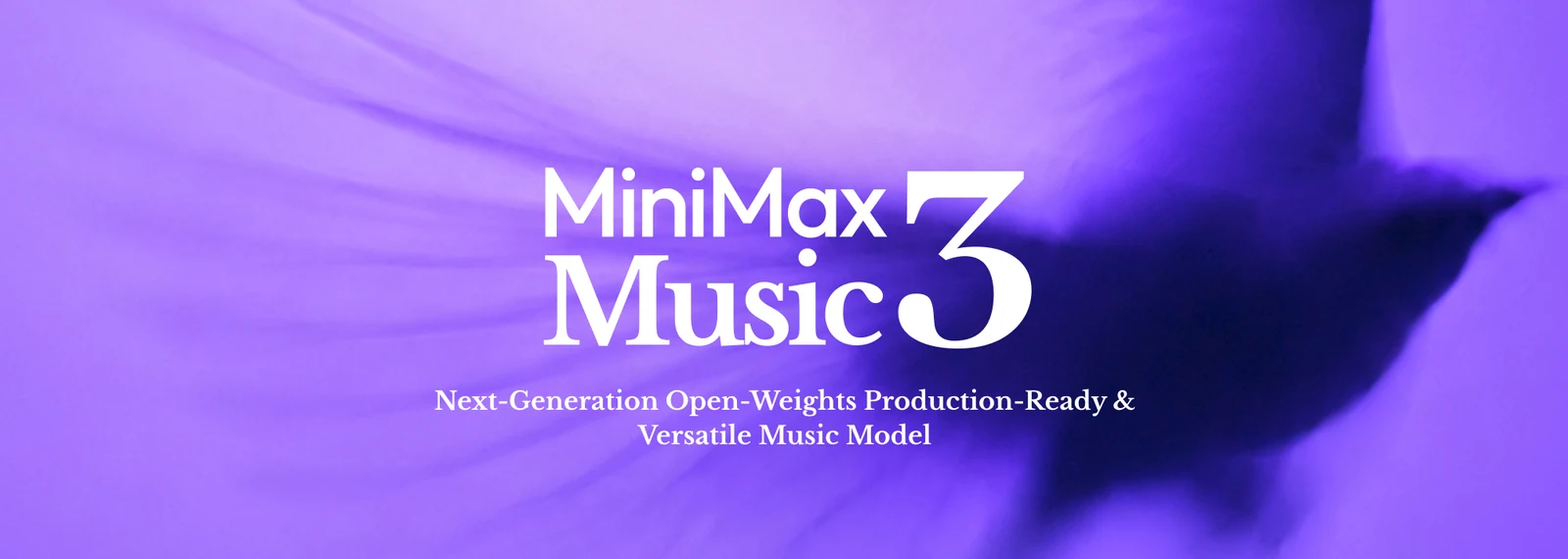
MiniMax Music 3.0 (Aug 13, 2026)
Open-weight full-song structured music composition and vocal synthesis model.
Seedance 2.5 (Jul 31, 2026)
ByteDance multi-asset 1080p video generation model supporting 30-second coherent sequences.
Seed2.1 Pro (Jun 24, 2026)
ByteDance FORCE conference enterprise flagship (256K context). WebDev Arena #67 (1519±6).
MiniMax-M3 (Jun 1, 2026)
Open-weight reasoning & agent model under MiniMax Community License. WebDev Arena #79 (1484±5) · AI Intelligence #85 (19) · Text Arena #103 (1427±4).
Dola Seed 2.0 Pro (Feb 2026)
Early-2026 ByteDance proprietary flagship checkpoint. Text Arena #59 (1449±3).
ENTERPRISE AGENTS, BROWSERS & BENCHMARK GUIDESCOMPANION PLATFORMS & GUIDES
OpenCode v2.3.0 (Nov 13, 2026)
MIT-licensed coding agent (227K+ stars) making background subagents default alongside 15s Ollama/LM Studio discovery and rotating zero-key Console models.
Cloudflare Kitesurf (Nov 12, 2026)
Apache-2.0 Rust/WASM Workers browser engine supporting CDP/Puppeteer with 3.1x lower screenshot CPU, requiring Workers Paid and Access auth.
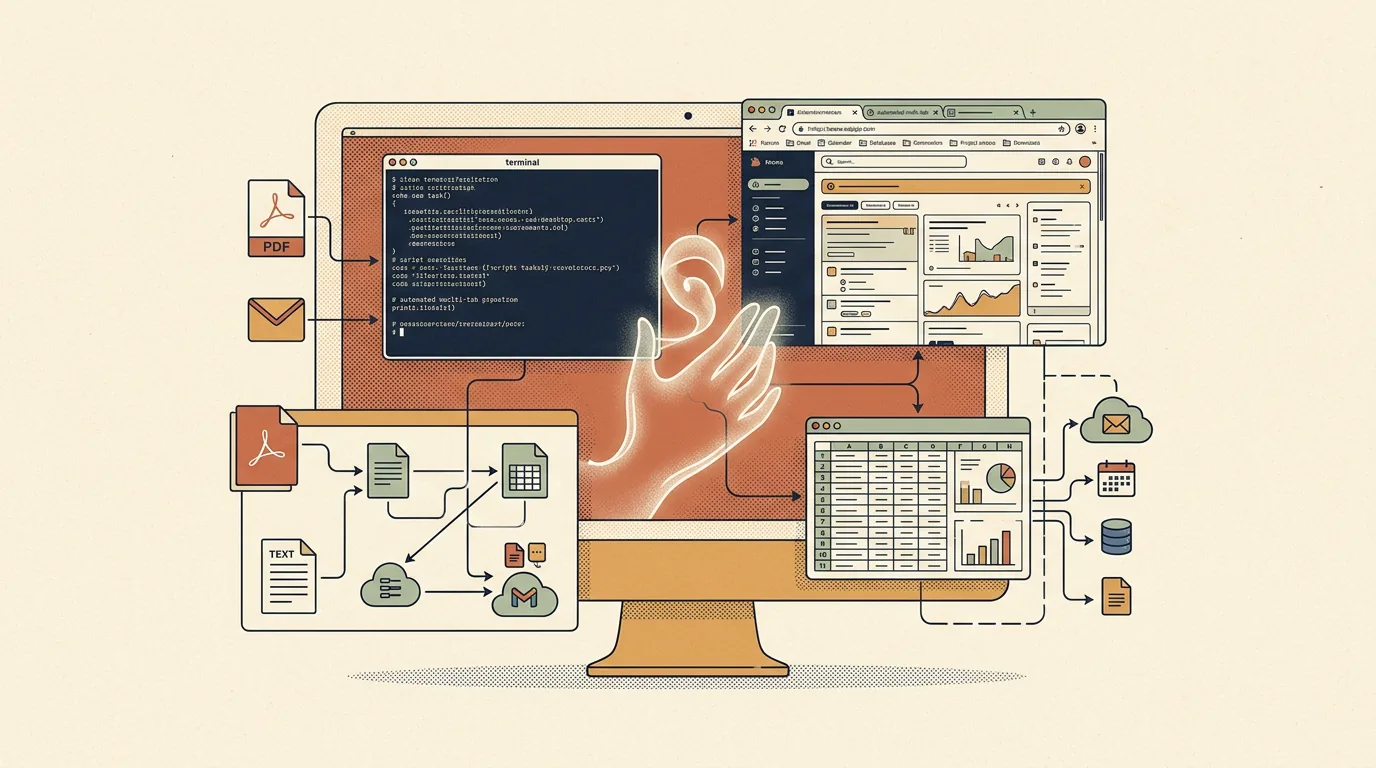
Manus General Agent (Nov 3, 2026)
Asynchronous cloud sandbox agent pairing dedicated Ubuntu/Chromium VMs with Microsoft Agent 365 workflow integration.
Cohere North 2 (Oct 5, 2026)
Enterprise agent orchestration platform supporting workspace memory, quotas and air-gapped private cloud deployments.
Firefox Smart Window (Sep 16, 2026)
Mozilla AI browser workspace beta powered by Mistral models alongside open browser agent permission audits.
Fireworks AI Security Notice (Nov 9, 2026)
Third-party cloud breach investigation covering billing metadata and Notion AI scope while keeping real-time inference isolated.
Benchmarks, MCP, Pricing & Serving Guides
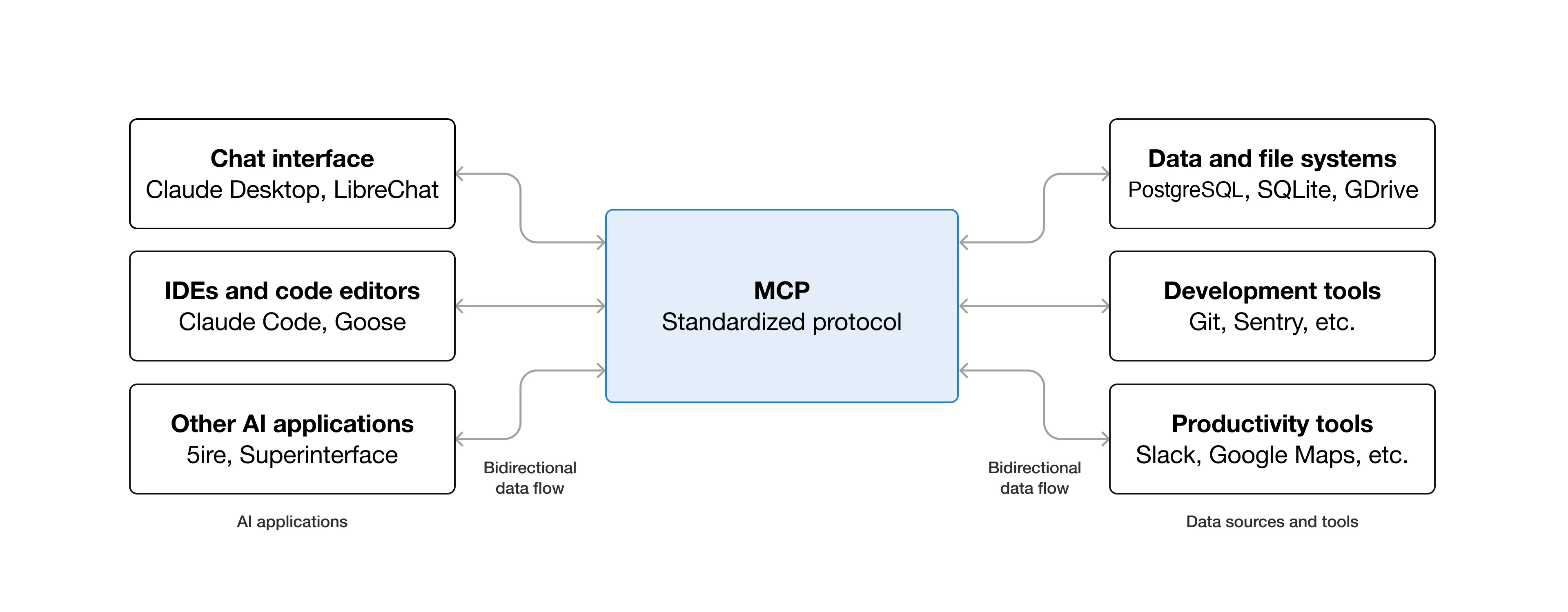
Cross-lab primers covering WebMCP, SWE-bench Verified vs Pro, Chatbot Arena Bradley-Terry, Word Error Rate (WER), Whisper STT alternatives, OSWorld 2.0, Terminal-Bench 4.1, MCP setup, Prompt Caching, Ollama vs vLLM & 2026 AI Model Releases.
02Others — Source-Linked Articles

Back to Frontier Labs Hub

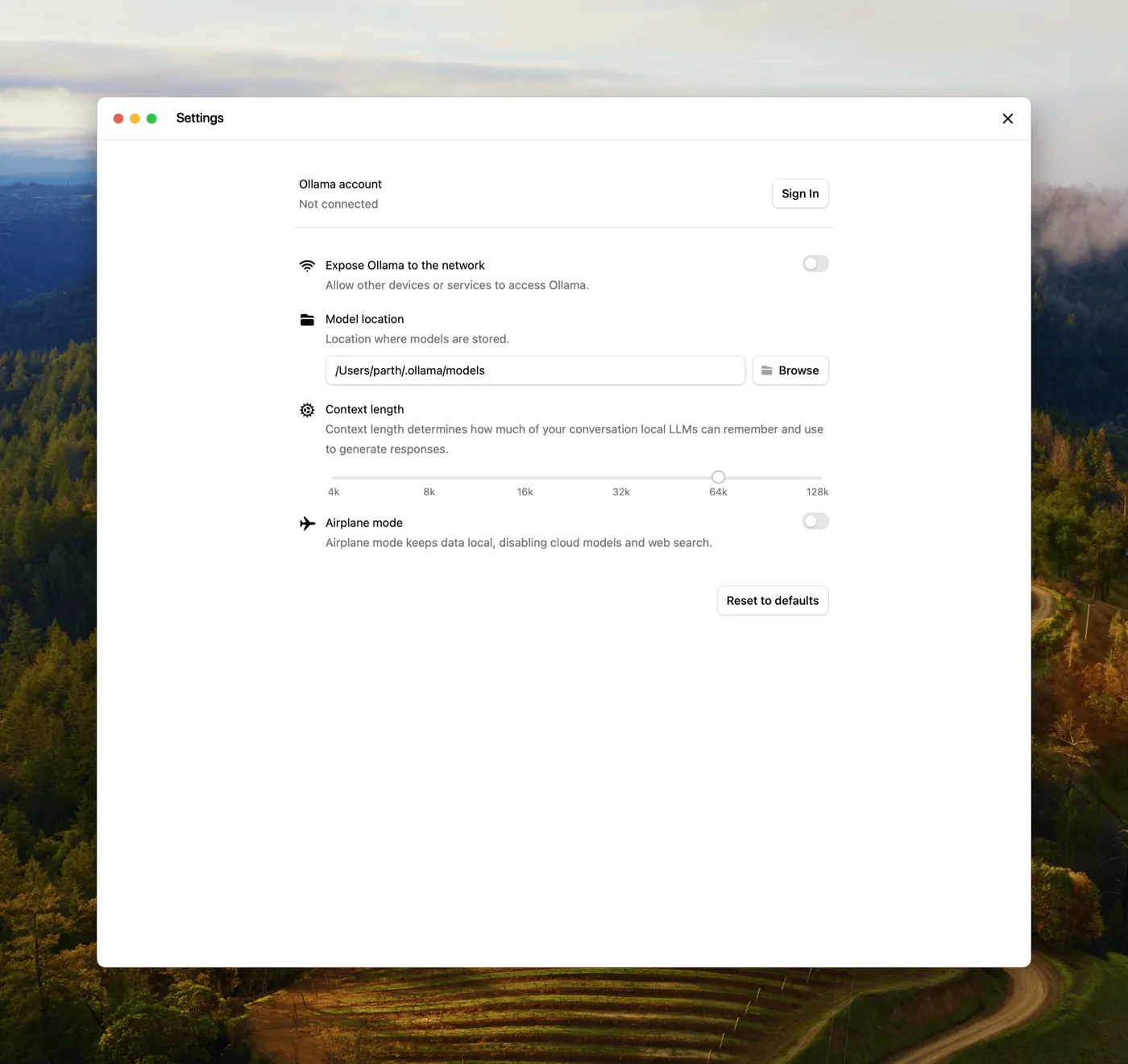
Ollama Context Length: Why It Caps at 4K & How to Fix It

Ollama silently locks context at 4,096 tokens on machines under 24 GiB VRAM—and setting OLLAMA_NUM_CTX or passing num_ctx to /v1/chat/completions does nothing. Here is the OLLAMA_CONTEXT_LENGTH fix and how to verify it with ollama ps.

ComfyUI Out of Memory Fix: DynamicVRAM & Batch Leaks

ComfyUI’s 2026 DynamicVRAM and AIMDO allocator made pre-March --lowvram flags useless—introducing second-run non-OOM crashes, WSL Shared GPU memory locks, and HostBuffer errors. Here is the symptom-by-symptom CLI and BatchPipe fix.

Best Local LLM for Coding: Picks by 16GB, 24GB & 64GB

Autocomplete-only models crash inside Cline, Aider, and OpenCode. Filtering strictly for native Ollama tool calling and permissive open weights yields clear November 2026 picks across 16GB, 24GB/32GB, and 64GB+ workstations.

What Is Speculative Decoding? How Draft-Verify Cuts Latency

Speculative decoding accelerates LLM generation without changing output quality by letting a fast drafter guess K tokens and having the target model verify them in parallel—now mature in llama.cpp 1.0’s NextN llama.h API and vLLM’s DFlash2.

OpenClaw Alternatives: Safer Self-Hosted AI Agents Tested

OpenClaw passed 361K+ GitHub stars—and Bitsight spotted over 30,000 exposed instances probing port 18789. Here is how security-first open replacements like Hermes Agent, NanoClaw, NullClaw, and OpenFang compare against managed sandboxes like Claude Duet and Manus.

GitHub Copilot Alternatives: Open-Source & Agentic Picks

Outdated Copilot alternative lists still spotlight simple inline autocomplete plug-ins. Late-2026 replacements split across AI-native IDEs, #1-ranked CLI agents, and BYOK Apache-2.0 or MIT stacks like Continue, Kilo Code, OpenCode, Aider, Tabby, and Qwen Code.

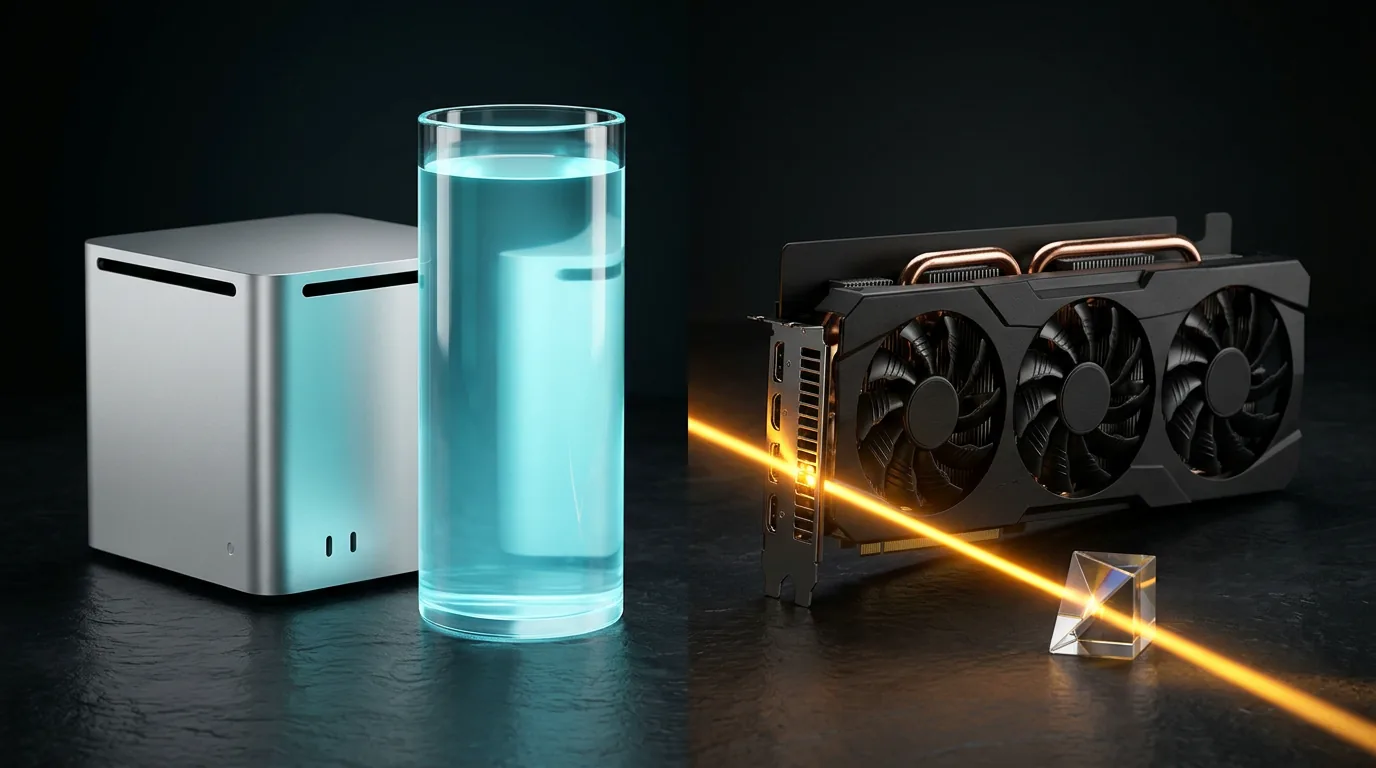
Mac Studio vs RTX 5090: Speed, VRAM & Local LLM Limits

At ~$5,000 workstation budgets, the RTX 5090 runs models under 32 GB ~1.8x faster on prompts and 23%–28% faster on generation—until 70B+ checkpoints spill over PCIe down to 1.5–4.6 tok/s, where M5 Ultra Mac Studio’s 96–512 GB unified memory wins cleanly.

Prompt Caching Setup: Cut LLM Latency on Claude & OpenAI

Academic testing shows prompt caching cuts agent API costs 41%–80% and TTFT latency 13%–31%—but GPT-6.2 appends top-level instructions after input, quietly busting caches unless you reorder payloads cleanly and configure Claude’s dual TTL breakpoints.

Aider vs Claude Code: Git-First CLI vs Subagent Runtime

Both Aider and Claude Code live inside the terminal—yet one treats Git commits as its core contract with any cloud or local model, while the other ships hooks, MCP, and parallel subagents tuned strictly for Anthropic’s top-ranked Claude checkpoints.

Best AI Coding Assistants: IDEs, CLI Agents & Benchmarks

Ninety percent of developers now use AI tools at work, yet 46% distrust output accuracy and 76% avoid autonomous deploys. Rather than one winner, late-2026 stacks split across four tiers: AI-native IDEs, enterprise completions, #1 CLI agents, and local open-source stacks.

Claude vs ChatGPT: Speed, Coding, Writing & Context Limits

As US search interest in Claude surged +347% YoY, Claude 5.5/Fable 5.2 and ChatGPT (GPT-6.2 Astra/Sol) have diverged cleanly: pick ChatGPT for sub-2-second everyday speed, Intelligent UI canvases, and Space collaboration; pick Claude for 1M-token coding and prose discipline.

Grok vs ChatGPT: Benchmarks, Live X Data & Cursor Bundle

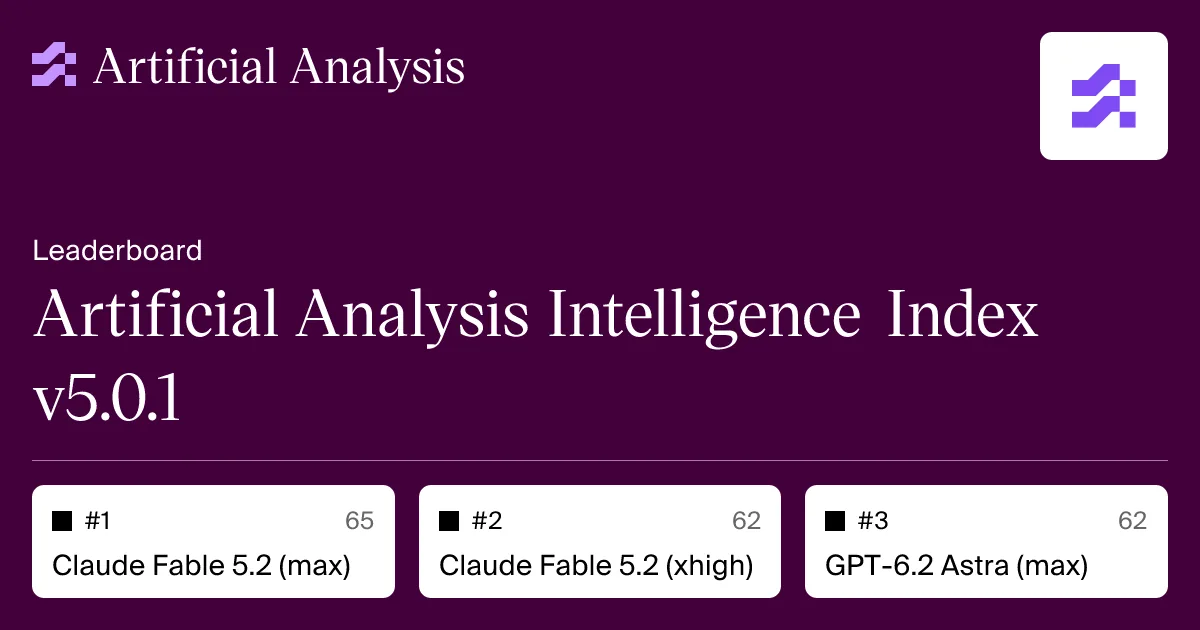
Outdated Grok vs ChatGPT reviews still cite retired SuperGrok plans and skip Artificial Analysis v5.0.1 scores: ChatGPT’s GPT-6.2 Sol (57) and Astra (62) outscore Grok 4.7 (35.5), while xAI counters with live X streams and The X Subscription bundling Grok Bot and Cursor.

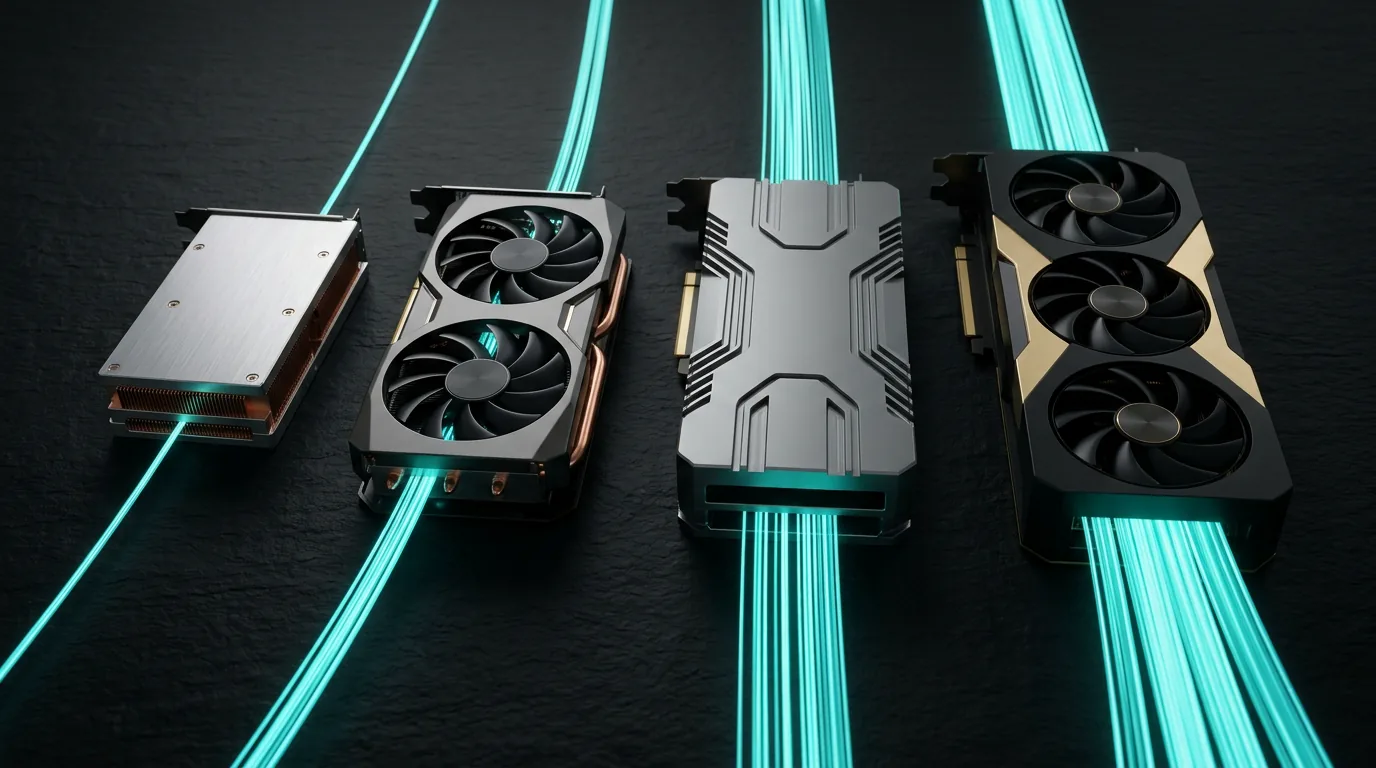
Best GPU for Local LLM: VRAM, Bandwidth & Consumer Picks

For single-user local LLM inference, memory bandwidth—not raw compute FLOPS—dictates token generation speed once weights fit in VRAM. Here is how NVIDIA RTX 5070 Ti (896 GB/s), RTX 4090 (24 GB), RTX 5090 (1,792 GB/s), and 128 GB+ unified systems rank.

Lovable vs Bolt.new: UI Quality, Code Control & Backend

Both Lovable and Bolt.new turn natural-language prompts into full-stack apps around ~$25/mo entry plans, yet they split cleanly on engineering depth: Lovable pairs polished first-draft UI with managed Supabase wiring, while Bolt.new gives coders multi-framework WebContainers and a full in-browser terminal.

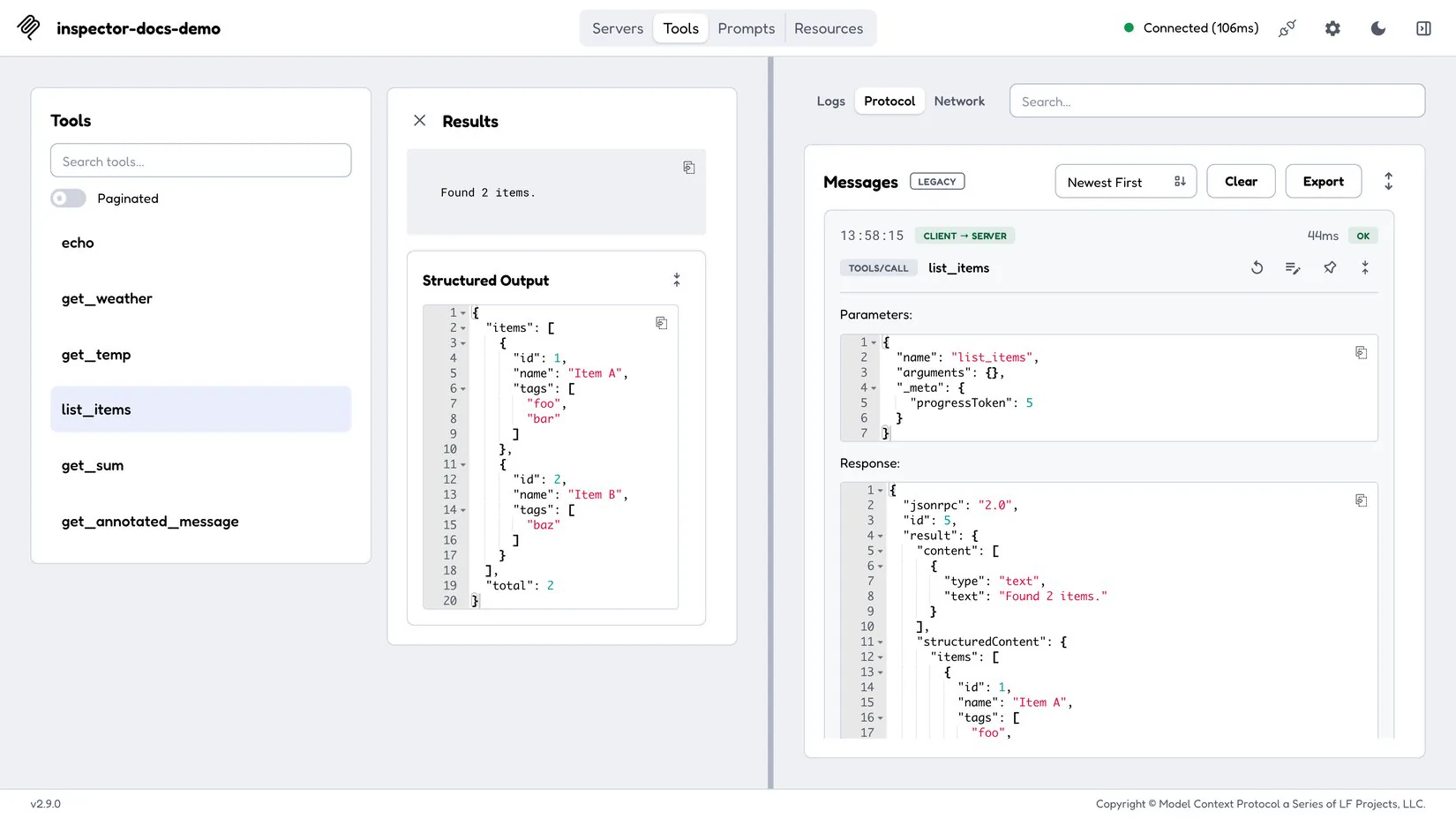
How to Build an MCP Server: TypeScript, Python & Inspector

Older 2025 tutorials still teach deprecated HTTP+SSE transports. Here is the 5-step guide to building an MCP Server under the 2026-07-28 spec using Python FastMCP or TypeScript, local stdio or Streamable HTTP, and interactive MCP Inspector verification.

Best Open-Source Embedding Models: MTEB, Context & RAG Picks

Stop defaulting RAG pipelines to 512-token legacy embedders like bge-large or mxbai-embed-large. Here are the top November 2026 open-weight embedding models—Qwen3-Embedding (32K, 70.58 MTEB), Microsoft’s MIT harrier-oss-v1 (up to 0.7427), BGE-M3 hybrid, and edge EmbeddingGemma-300M.

Gemini vs ChatGPT: Search, Coding, Video & Context Limits

With StatCounter placing ChatGPT at 51.58% and Google Gemini at 28.86% global chatbot share amid +278% US Gemini search growth, the two ecosystems now diverge sharply on native video generation, Google Search grounding, and coding agent rankings.

Best Ollama Models by VRAM: Coding, Chat & Pull Commands

Outdated Ollama roundups still point developers to Llama 3.1 8B or Qwen 2.5 7B. Here are the top November 2026 open-weight models across 8 GB, 24 GB, and 512 GB memory tiers—plus pull commands and the 64K context fix for coding agents.

Qwen vs Llama: Coding Benchmarks, Context & Licenses

Open-weight selection in late 2026 divides cleanly between Alibaba’s Apache-2.0 Qwen3.8-27B (61.7% SWE-bench Pro on 24 GB VRAM) and Meta’s Llama 4 Scout (10M context window)—alongside strict Llama 4 EU commercial licensing exclusions.

Cursor Rules Guide: How to Write .mdc Files, Globs & MCP

Cursor marks root .cursorrules files as legacy and silently ignores plain .md files inside .cursor/rules/. Here is how to structure scoped .mdc rules using alwaysApply, path globs, and an mcp-usage.mdc security template without bloating context.

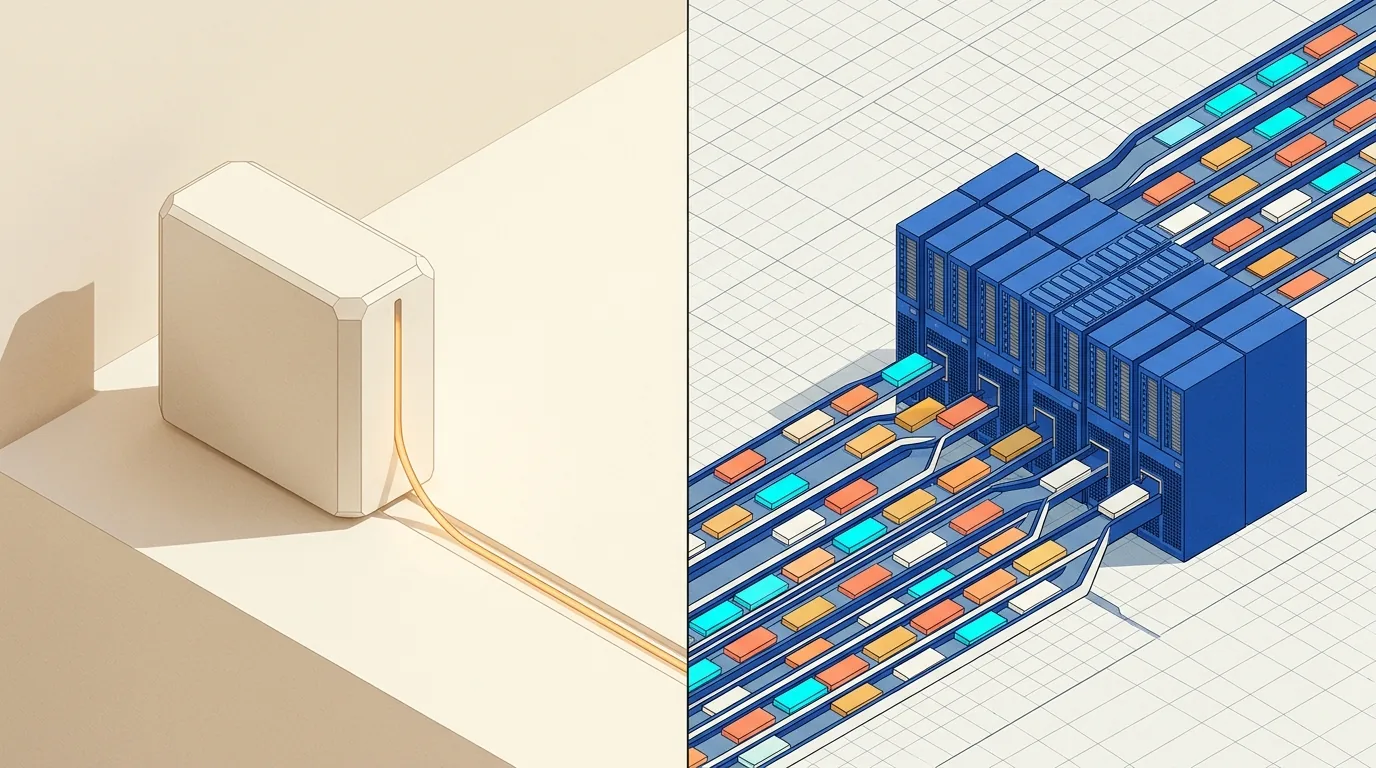
MCP vs Function Calling: Architecture & When to Use Both

Model Context Protocol (MCP) and LLM function calling are not competing alternatives—they occupy distinct layers of an agent stack. Here is the engineering boundary: stick to native function calling under 5 tools, and adopt MCP once reaching 10+ shared tools.

Windsurf vs GitHub Copilot: Cascade, IDEs & Devin Rebrand

While most comparisons still treat Windsurf as a standalone Codeium IDE, Cognition rebranded Windsurf into Devin Desktop in June 2026—reshaping its head-to-head match against GitHub Copilot’s 4.7M-subscriber multi-IDE ecosystem.

OpenCode vs Claude Code: Open-Source CLI vs Anthropic Agent

OpenCode has surpassed 228K GitHub stars under MIT licensing as an open-source, multi-model terminal alternative to Anthropic’s 156K-star Claude Code. Here is how OpenCode v2.3.x compares on model freedom, autonomous goals, caching, and AGENTS.md vs CLAUDE.md setup.

Dify vs n8n: AI App Builder vs Workflow Automation Compared

With Flowise now archived on GitHub, search demand has converged on Dify vs n8n. Here is how an AI-native RAG application platform compares against a 400+-connector workflow engine on architecture, self-hosting licenses, and Flowise migration paths.

Langfuse vs LangSmith: Open-Source Tracing vs Managed Lock-In

ClickHouse’s January 2026 acquisition preserved Langfuse’s MIT-core self-hosting, while LangSmith’s move onto proprietary SmithDB introduced 14-day base retention, a 180-day SaaS ceiling, and Enterprise-only bulk exports for post-August 3 signups.

pgvector vs Qdrant: Scale Limits, Filtering & Ops Overhead

Under 5 million vectors, running pgvector inside PostgreSQL avoids dual-write sync bugs and extra ops overhead; past 10 million embeddings or heavy filtered concurrency, Rust-native Qdrant pulls ahead with payload-aware HNSW, quantization, and RRF/DBSF hybrid search.

Unsloth vs Axolotl: Single-GPU Speed vs Multi-GPU Clusters

Unsloth and Axolotl solve opposite hardware bottlenecks under Apache-2.0 licenses: Unsloth’s custom CUDA/Triton kernels accelerate single-GPU RTX 3090/4090 QLoRA runs with ~60% less VRAM, while Axolotl’s YAML + FSDP2/DeepSpeed stack anchors 4–8+ GPU 70B+ clusters.

Perplexity vs ChatGPT: Web Citations, Accuracy & Search

While ChatGPT handles coding, canvases, and long-form reasoning, Perplexity queries the live web on every prompt—and an Ahrefs citation audit shows 28.6% of Perplexity’s cited URLs overlap Google’s top 10 results compared with just 8.0% for ChatGPT in-text links.

Ollama vs LM Studio: CLI, GUI & Local API Server Compared

Both Ollama and LM Studio share llama.cpp underneath and expose OpenAI-compatible local endpoints, yet they split cleanly on workflow: Ollama leads container automation on port 11434 with macOS TTS support, while LM Studio adds Apple MLX acceleration alongside its lms CLI and llmster headless daemon.

SGLang vs vLLM: Prefix Caching, MoE Throughput & Setup

October 2026 releases reshape the two Apache-2.0 engines commanding roughly three-quarters of open-source inference: vLLM v0.32.0 adds NVFP4 KV caching and Model Runner V2, while SGLang v0.5.22 hits up to 2.3x H200 throughput on DeepSeek kernels.

Best Open-Source TTS Models: Kokoro, Chatterbox & VibeVoice

An engineering audit of local text-to-speech checkpoints—matching Kokoro-82M (Apache 2.0), Resemble AI Chatterbox (MIT), Microsoft VibeVoice, Coqui XTTS v2 (CPML non-commercial), and Piper TTS (GPL-3.0) to latency, voice cloning, and licensing rules.
FLUX vs Qwen Image: Photorealism, Text Rendering & VRAM

Open-weight image generation now splits along a sharper line than the old SDXL era: Qwen-Image dominates dense typography and multi-language layouts under Apache 2.0, while FLUX.2 [dev] leads portrait photorealism—with a critical non-commercial license trap.

GGUF vs MLX on Apple Silicon: Prefill, Speed & Quantization

UI token counters hiding prompt prefill time make Apple MLX look universally faster than GGUF—yet wall-clock benchmarks expose 49-second MLX prefill stalls at 8K context, 4.7x lower perplexity loss for GGUF Q4_K_M, and why oMLX flips the equation.

Best Local Video Generation Models: VRAM, Runtimes & License

Open-weight local video models now span 8GB consumer GPUs and native audio-video sync—matching Apache-2.0 Wan 2.2, Lightricks LTX-2.5 ($10M ARR cap), and HunyuanVideo 1.5 (regional bans) to VRAM limits and Mac MLX runtimes.
LangGraph vs CrewAI: State Control, Loops & Production Fit

Both LangGraph and CrewAI are MIT-licensed Python agent frameworks, yet moving past prototypes reveals a structural divide: explicit cyclic state machines with superstep checkpointing vs role-based Crews layered under event-driven Flows.

Pydantic AI vs LangGraph: Type-Safe Agents vs Graph Control

Following Pydantic AI v2’s June 2026 launch around reusable capabilities and strict schema validation, Python backend teams face a sharp choice: lean FastAPI-style type safety or LangGraph’s durable stateful graph engine—or combining both.

MiniMax Music 3 vs Suno: Open Weights vs Managed Audio API

While consumer music searches fixate on Suno vs Udio, MiniMax Music 3.0 introduces downloadable open weights for five-minute 32 kHz stereo WAV tracks—creating a stark trade-off against Suno’s managed stem separation and vocal polish.

Best DeepSeek Alternatives: Open-Weight & API Models Tested

Matching enterprise data residency, MIT/Apache-2.0 open weights, higher frontier reasoning ceilings, and single-node local footprints across Mistral Large 4, Kimi K3.1 Pro, Qwen, GLM-5.3, Nanbeige4.3-33B, Claude 5.5, and Gemini 4.

Open Source Claude Code Alternatives: Tested Tools & Licenses

Anthropic’s public Claude Code repository ships under an All-rights-reserved license, driving developers toward OSI-approved MIT and Apache-2.0 coding agents—including OpenCode, Cline, Aider, Qwen Code, OpenAI Codex CLI, goose, Kilo Code, and OpenHands.

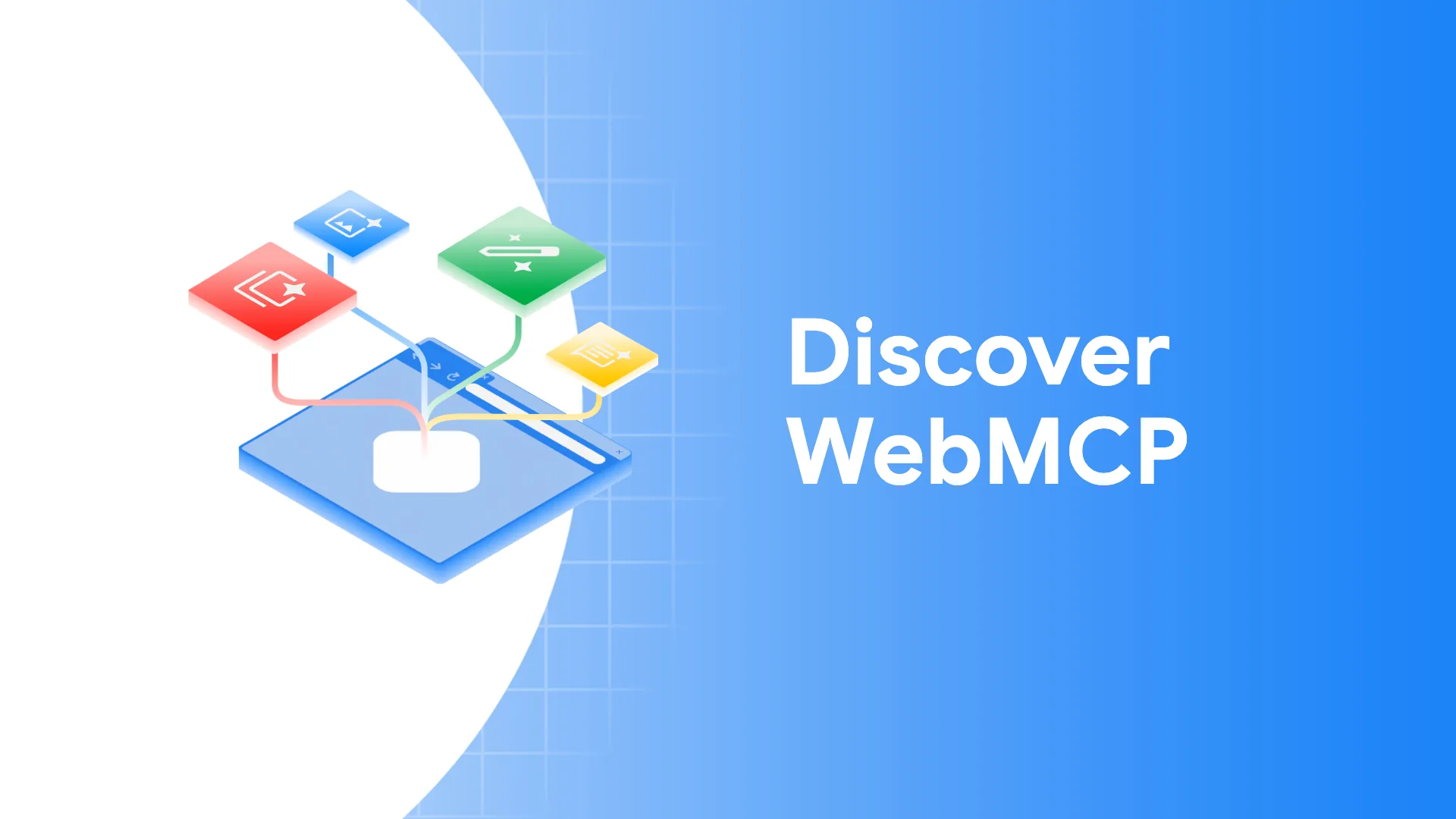
What Is WebMCP? How Chrome Turns Websites Into Agent Tools

Co-incubated by Google and Microsoft in the W3C Web Machine Learning Community Group and testing in a Chrome 149 origin trial, WebMCP replaces fragile DOM scraping and click simulation with page-declared JavaScript tools.

Claude vs Gemini: Coding, Context & Workflow Comparison

Anthropic’s Claude 5.5 and Fable 5.2 lead independent coding-agent execution and WebDev Arena, while Google’s Gemini 4 Carbon, Argon, and Hydrogen top Text Arena—with December 1 promotional pricing expirations reshaping selection.

Ollama vs vLLM: Throughput, Latency & Production Limits

Red Hat’s A100 GuideLLM benchmark measured vLLM peaking at 793 output TPS with 80 ms P99 latency versus Ollama’s 41 TPS and 673 ms ceiling—pinpointing exactly when local prototyping outgrows Ollama and requires PagedAttention.

OpenAI Whisper Alternatives: Top Open-Source STT Models Tested

NVIDIA Canary-Qwen 2.5B leads English accuracy at 5.63% WER, Parakeet TDT exceeds 2,000x real-time streaming speed, and IBM Granite Speech 3.3 8B targets noisy enterprise audio—recasting Whisper Large V3 Turbo as the lightweight 99-language baseline.

SWE-bench Verified vs SWE-bench Pro: What the Scores Mean and Which Benchmark to Trust

Epoch AI classifies both SWE-bench Verified (500 human-filtered tasks) and Scale AI’s SWE-bench Pro (1,865 GPL and private repo tasks) as "Flawed" after 2026 audits exposed 16%–30% defective tests and contamination—shifting serious agent tracking toward hardened suites like Terminal-Bench 4.1 and the Coding Agents Index.

Prompt Caching Pricing & Rules: Claude, OpenAI, and Gemini Compared

Official November 2026 caching docs confirm Claude offers 512-token explicit breakpoints at 1.25x/2.0x writes and up to 97.5% read discounts, OpenAI sets 1,024-token breakpoints with 30m (1.25x) and 12h (2.5x) writes, and Gemini 4 moves strictly to implicit-only 4,096-token caching with zero storage fees.
Follow your curiosity.
EXPLORE THE ARCHIVESOURCES & CONTEXT INCLUDED