dots: Always-On Personal Assistants With Cloud Computers.
Introduced on September 29, 2026, dots are OpenAI’s always-on AI assistants equipped with their own dedicated cloud computers—built to carry out persistent background tasks, coordinate across connected applications and support specialist enterprise workflows.
DALWAYS-ON PERSONAL & ENTERPRISE ASSISTANTS
01 · PRODUCT INTRODUCTION & ARCHITECTURE
Inside dots
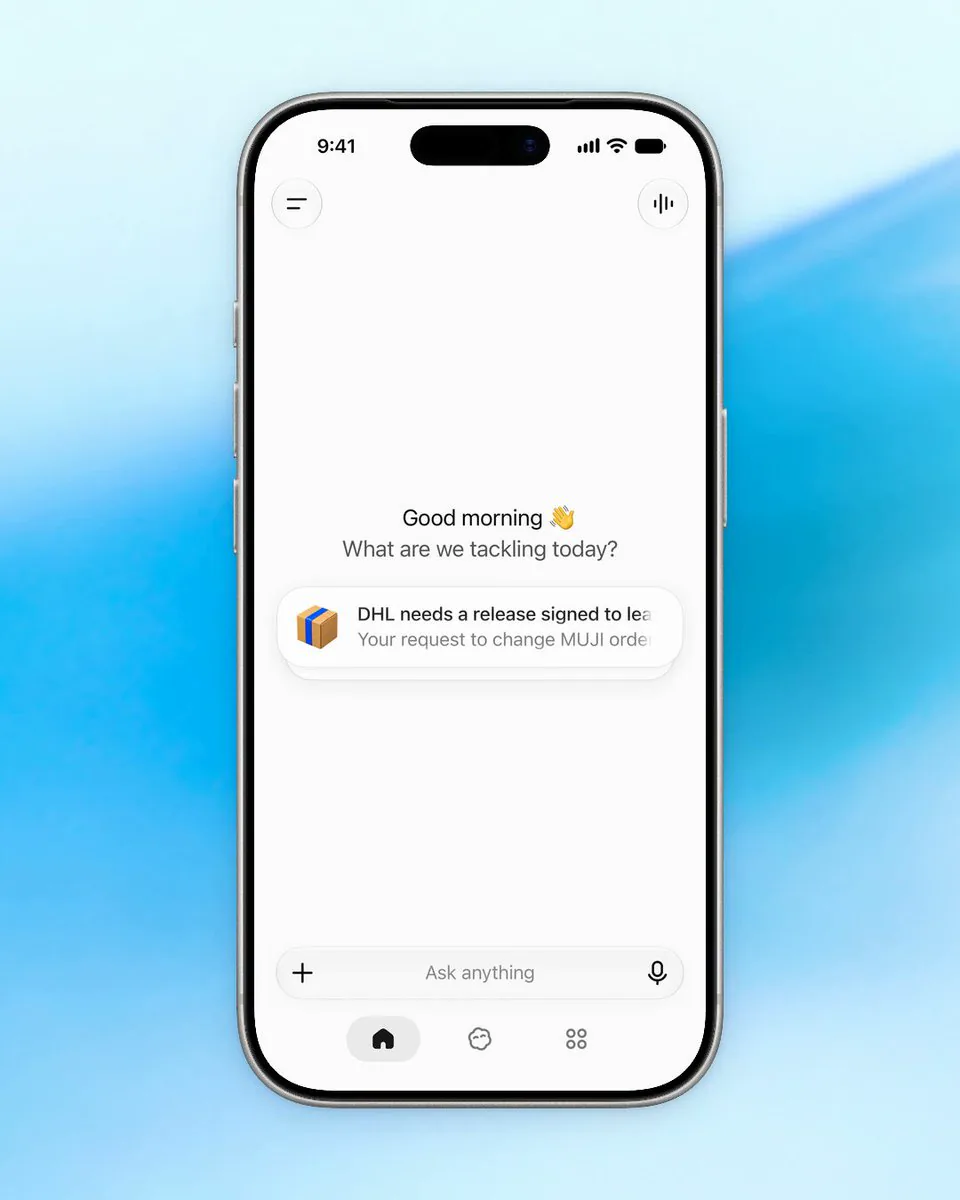
Unlike session-bound chat threads that pause when a browser tab closes, each dot is provisioned with its own cloud computer and powered by GPT-6 Astra. OpenAI designed dots to act as persistent personal and workplace assistants: they can maintain workspace state, interact with connected applications, run multi-step automations over time and report back when milestones or approvals are reached.
OpenAI rolled out dots to eligible Pro, Business Premium and administrator-enabled Enterprise plans beginning September 29, 2026, while launching focused pilots for specialist enterprise dots. In November 2026, OpenAI upgraded dots with faster replies, dedicated dot custom instructions, a four-tier Custom Rules permission model, and ChatGPT Wallet (Nov 13)—enabling US Pro subscribers aged 18+ to authorize tokenized American Express, Mastercard, and Visa purchases inside dots via Face ID or fingerprint security checks without exposing card details.
OpenAI product chief Thibault Sottiaux says dots are entering small-scale ChatGPT Plus tests and rolling out to all Business Standard seats—while Pro dot users get first access to a customizable mobile tab-bar redesign he calls 'Le ChatGPT 2.0.'
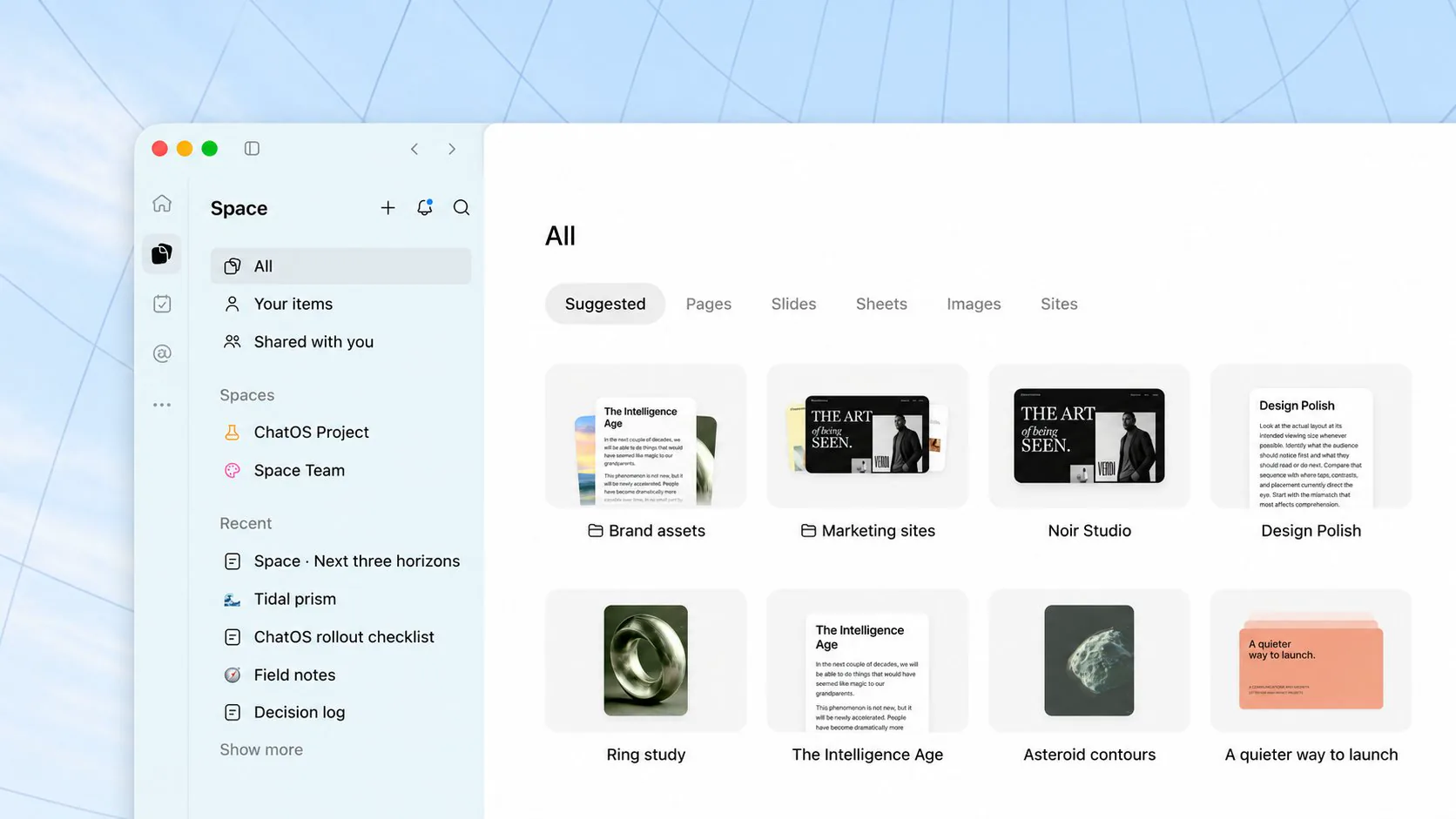
OpenAI’s centralized Space sidebar hub for collaborative pages, slides, sheets, images, and sites is now rolling out to ChatGPT Plus subscribers alongside mobile editing, auto-refreshing connected-tool sync, and dot participation.
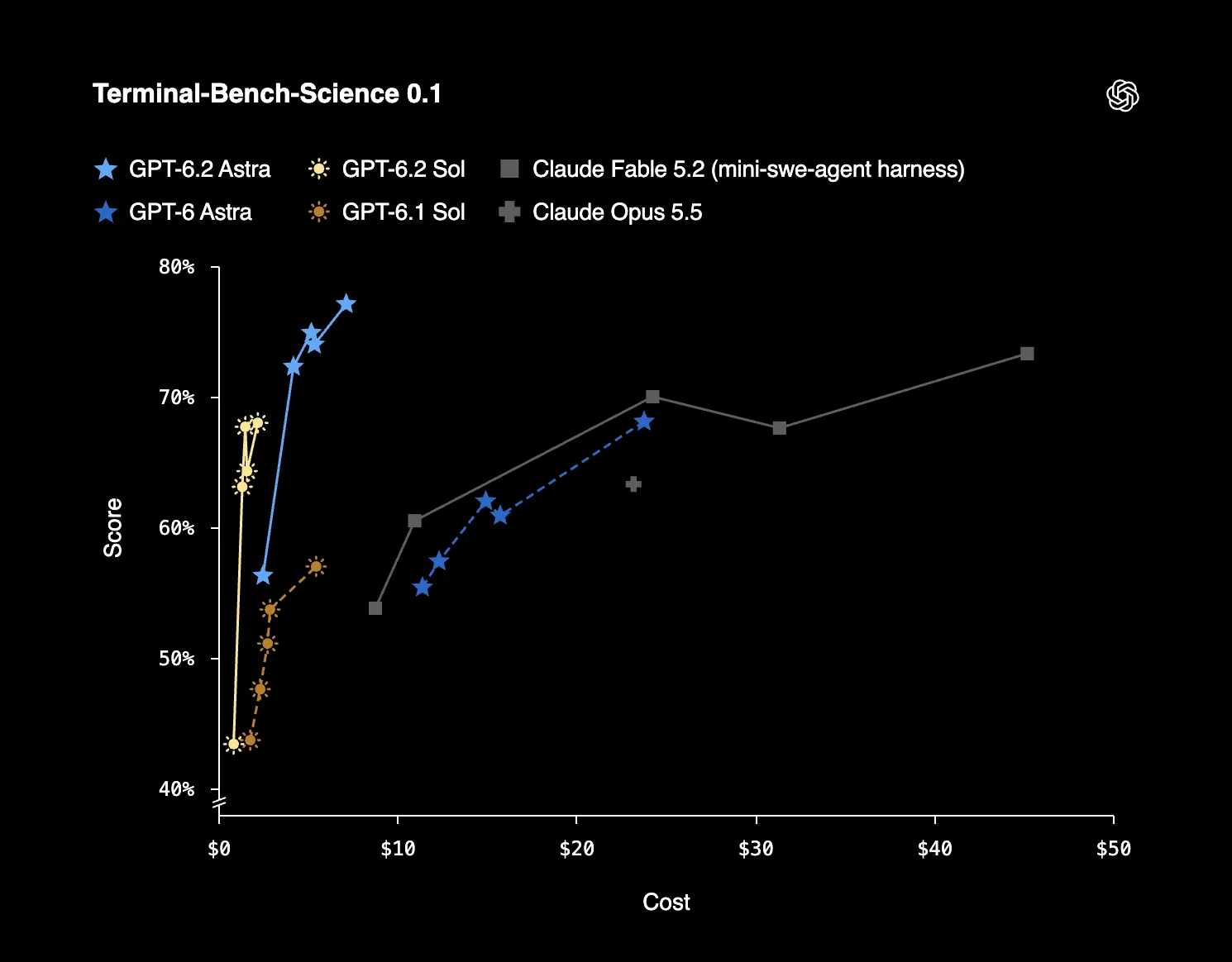
Now live across ChatGPT Work, Codex, and the OpenAI API, GPT-6.2 Astra drops base input/output rates 20% below GPT-6 Astra to $8/$40 while GPT-6.2 Sol keeps $2/$10 pricing and expands Ultrafast mode to Pro 200.
Anthropic’s Claude Code leads independent coding benchmarks (#1 at 58.5 on Coding Agents; 65.8% on Terminal-Bench 4.1) but keeps 5-hour numeric quotas unpublished, while OpenAI Codex (#9 at 53.1) starts at Free/$8 Go and discloses explicit local message ranges plus $3.16 cost-per-success Sol runs.
Official November 2026 caching docs confirm Claude offers 512-token explicit breakpoints at 1.25x/2.0x writes and up to 97.5% read discounts, OpenAI sets 1,024-token breakpoints with 30m (1.25x) and 12h (2.5x) writes, and Gemini 4 moves strictly to implicit-only 4,096-token caching with zero storage fees.
Developed with American Express, Mastercard, and Visa for US ChatGPT Pro subscribers in dots, ChatGPT Wallet shields raw card numbers behind substitute payment tokens and requires per-purchase authorization.
OpenAI upgrades ChatGPT dots with faster responses, less jargon, dedicated dot custom instructions, and a four-level Custom Rules matrix controlling when autonomous actions execute without asking.