Grok Bot is xAI’s action-oriented personal and organizational assistant—evolving in September and October 2026 to connect with mobile calendars and contacts, execute user-approved 1Password sign-ins, and collaborate inside shared Team Bots.
Covers: Live Meetings (Nov 13) · Credential Security · Mobile Connectors · Team Collaboration · Enterprise Governance
xAI’s model stack spans its 2026 Grok 4 reasoning evolution—from Grok 4.20 Beta, Grok 4.3, Grok 4.5 and Grok 4.6 up to the flagship Grok 4.7 ($2/$6 per 1M tokens)—paired with Grok Code Fast 1, Voice 3.0 telephony, Transcribe 2.0 ASR and Grok Imagine 2.0.
Outdated Copilot alternative lists still spotlight simple inline autocomplete plug-ins. Late-2026 replacements split across AI-native IDEs, #1-ranked CLI agents, and BYOK Apache-2.0 or MIT stacks like Continue, Kilo Code, OpenCode, Aider, Tabby, and Qwen Code.
Ninety percent of developers now use AI tools at work, yet 46% distrust output accuracy and 76% avoid autonomous deploys. Rather than one winner, late-2026 stacks split across four tiers: AI-native IDEs, enterprise completions, #1 CLI agents, and local open-source stacks.
Outdated Grok vs ChatGPT reviews still cite retired SuperGrok plans and skip Artificial Analysis v5.0.1 scores: ChatGPT’s GPT-6.2 Sol (57) and Astra (62) outscore Grok 4.7 (35.5), while xAI counters with live X streams and The X Subscription bundling Grok Bot and Cursor.
Cursor marks root .cursorrules files as legacy and silently ignores plain .md files inside .cursor/rules/. Here is how to structure scoped .mdc rules using alwaysApply, path globs, and an mcp-usage.mdc security template without bloating context.
Teams running Claude Code, Cursor, Codex, and Qwen Code inside the same repository face instruction drift across competing Markdown files—here is which files each agent actually reads and how a single-line @AGENTS.md import keeps one canonical rulebook.
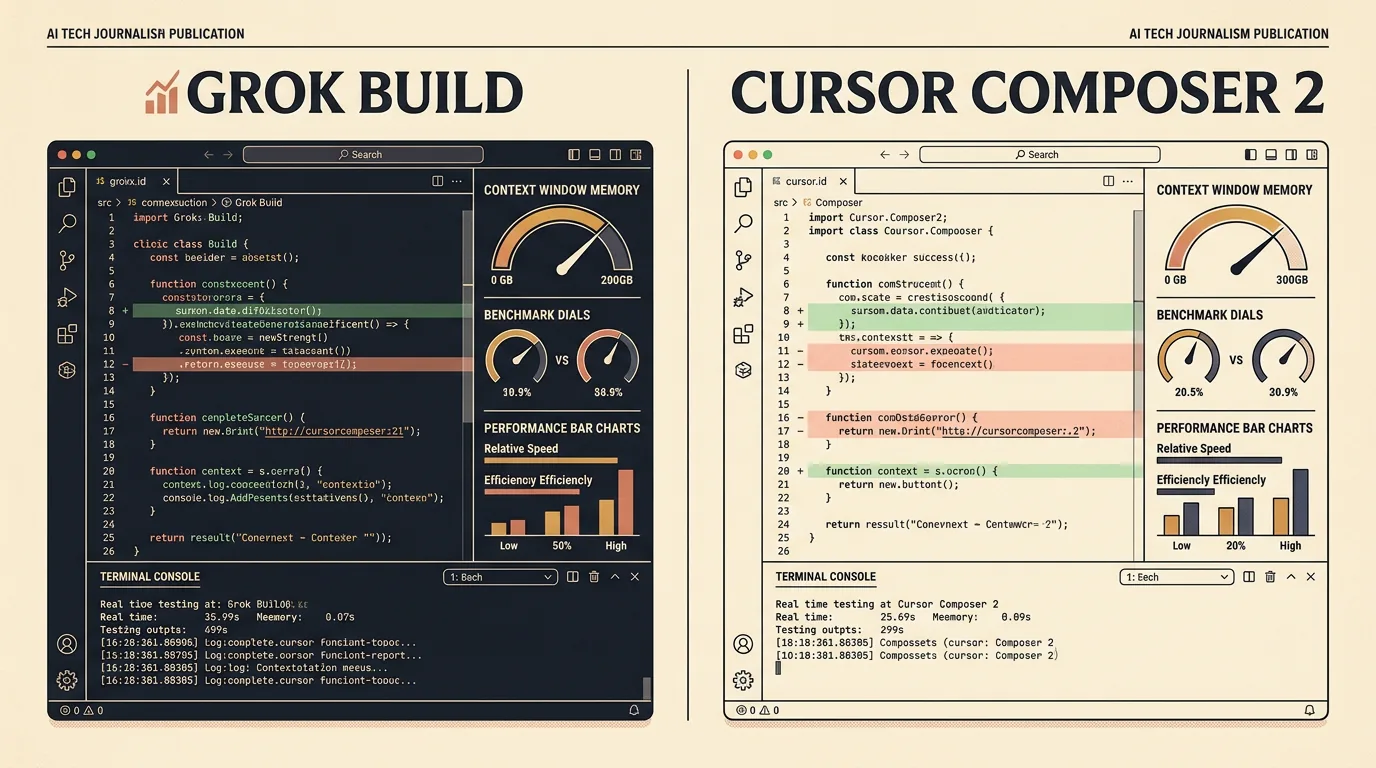
October–November 2026 updates turned Cursor vs GitHub Copilot into a platform battle: both now route agent tasks to top frontier models, leaving daily speed hinged on Cursor’s Composer 2.5 (69.3% Terminal-Bench 2.0) versus Copilot’s multi-IDE GitHub workflow.
Enterpret Feedback Bench 1.1 data shows Claude Code wins on autonomous multi-file execution and rules memory (#1 overall at 67.8), while Cursor wins on diff review, codebase indexing, and multi-model IDE control (#7 at 51.2)—leading many engineers to run both together.
Rapid releases v1.0.85 through v1.0.87 refine Grok Build’s parallel git-worktree TUI as official xAI docs and OpenRouter records confirm the CLI’s underlying transition from legacy 0.1 endpoints to 500K Grok 4.7.
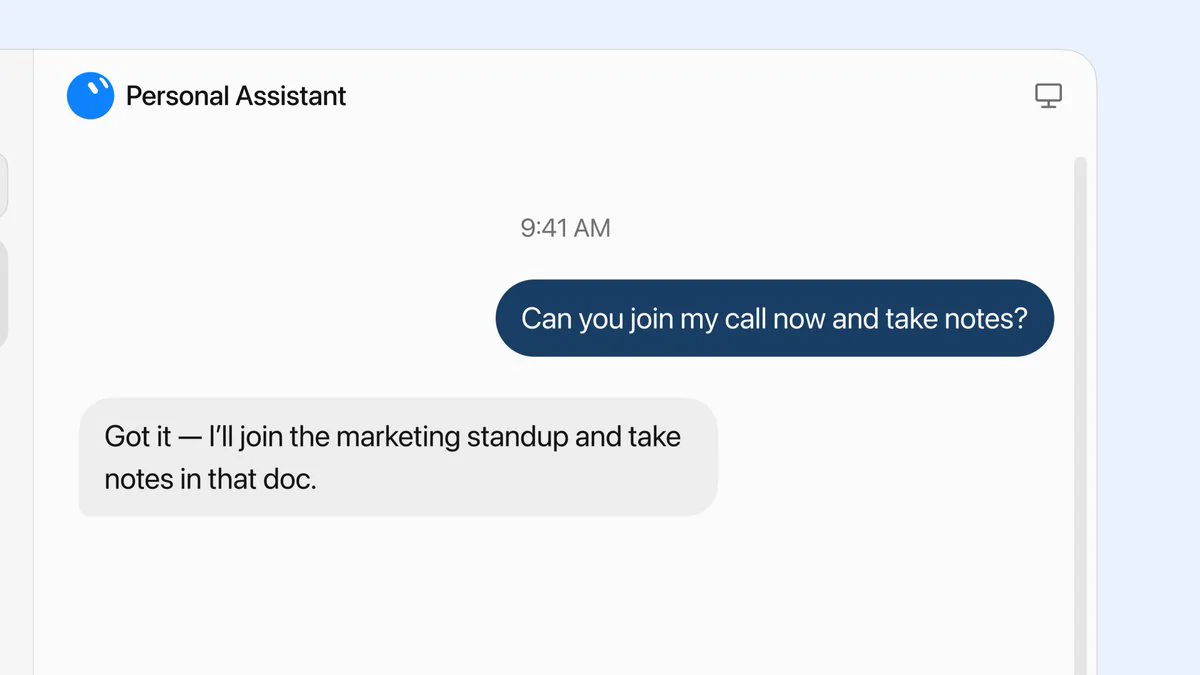
xAI expands Grok Bot on Team, Enterprise, and Ultra plans to attend scheduled or link-invited meetings—supporting live text-chat Q&A, passive Muted note-taking, and post-call action items.
Examining software engineering benchmarks including CursorBench 4.0, GPQA Diamond, and Humanity’s Last Exam across confidence intervals and grader variance.
xAI officially releases Grok Bot 1.0 as a collaborative AI teammate that shares context across teams, works inside Slack and Microsoft Teams, joins live video calls, and continuously learns from team workflows.
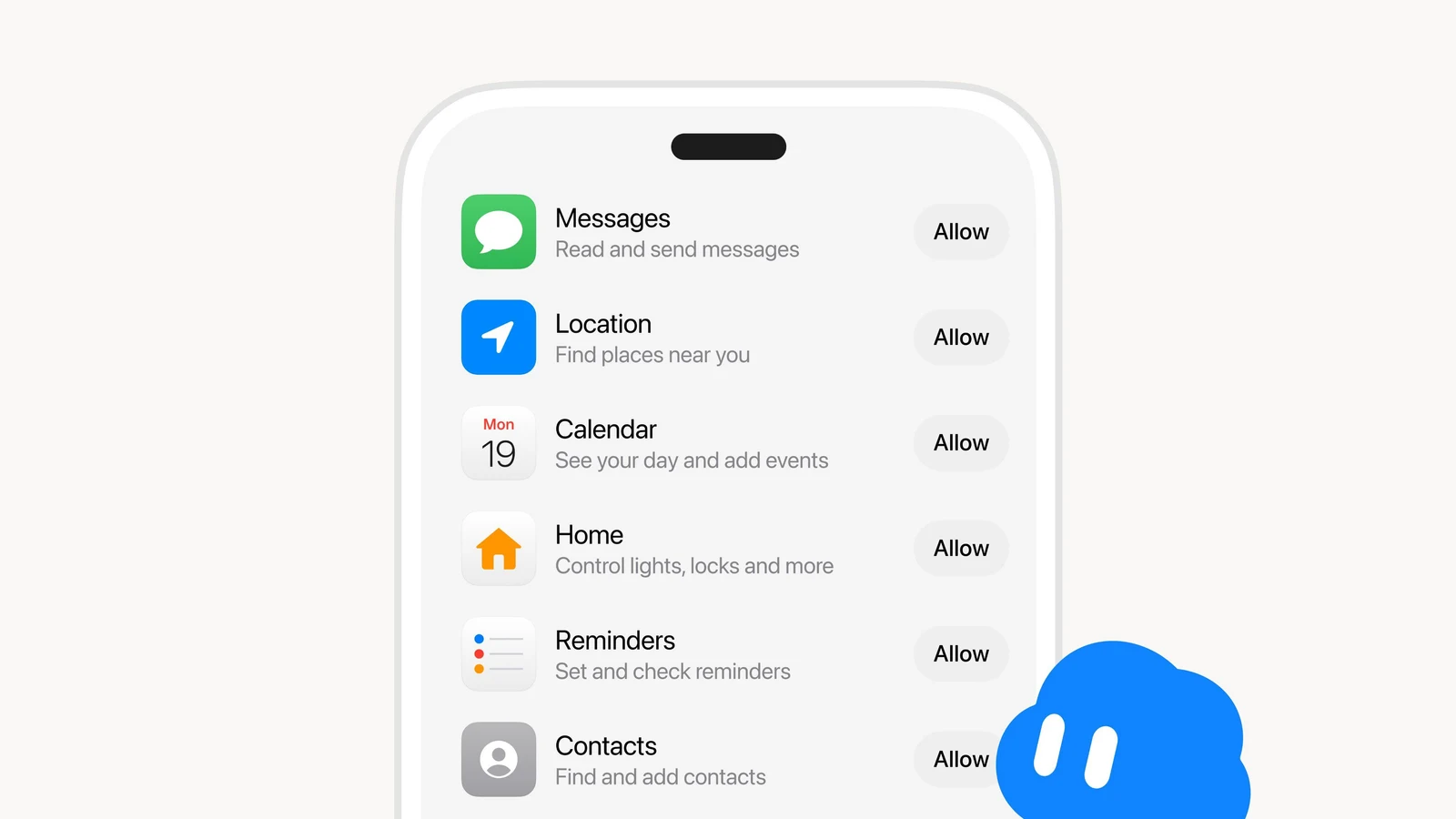
xAI brings seven native Apple system integrations to Grok Bot on macOS with granular per-app Allow switches—extending its personal assistant desktop workflow beyond October’s iOS/Android connectors.
xAI packages Grok Bot inside The X Subscription ecosystem, where seat tiers share a unified weekly compute pool with Cursor and web models, causing heavy autonomous tasks to deplete quotas early.
As frontier labs deploy personal agents into everyday workflows, Grok Bot and Meta Muse stake out contrasting strategies across outbound PSTN dialing, audio-driven video avatars, and enterprise compliance.
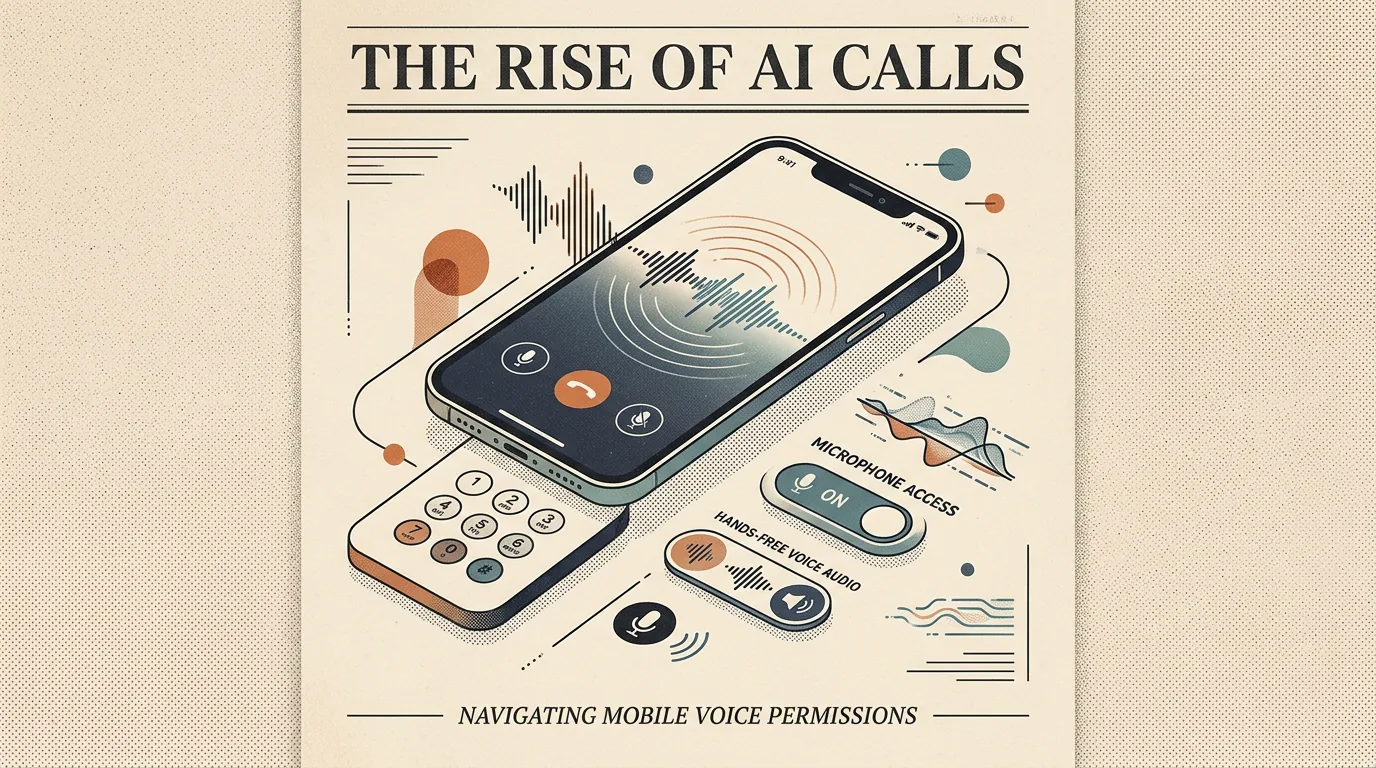
Separating rumor from reality across Grok Bot’s phone capabilities: outbound business calls are live for US subscribers on paid tiers, with strict caller-of-record liability boundaries.
The integration is rolling out across platforms. 1Password says it fills approved logins without exposing passwords or one-time codes to the Bot, with account and plan restrictions.
The official Bot account says access to phone apps is rolling out on iOS and Android. The announcement names Calendar, Reminders and Contacts without detailing every supported action.