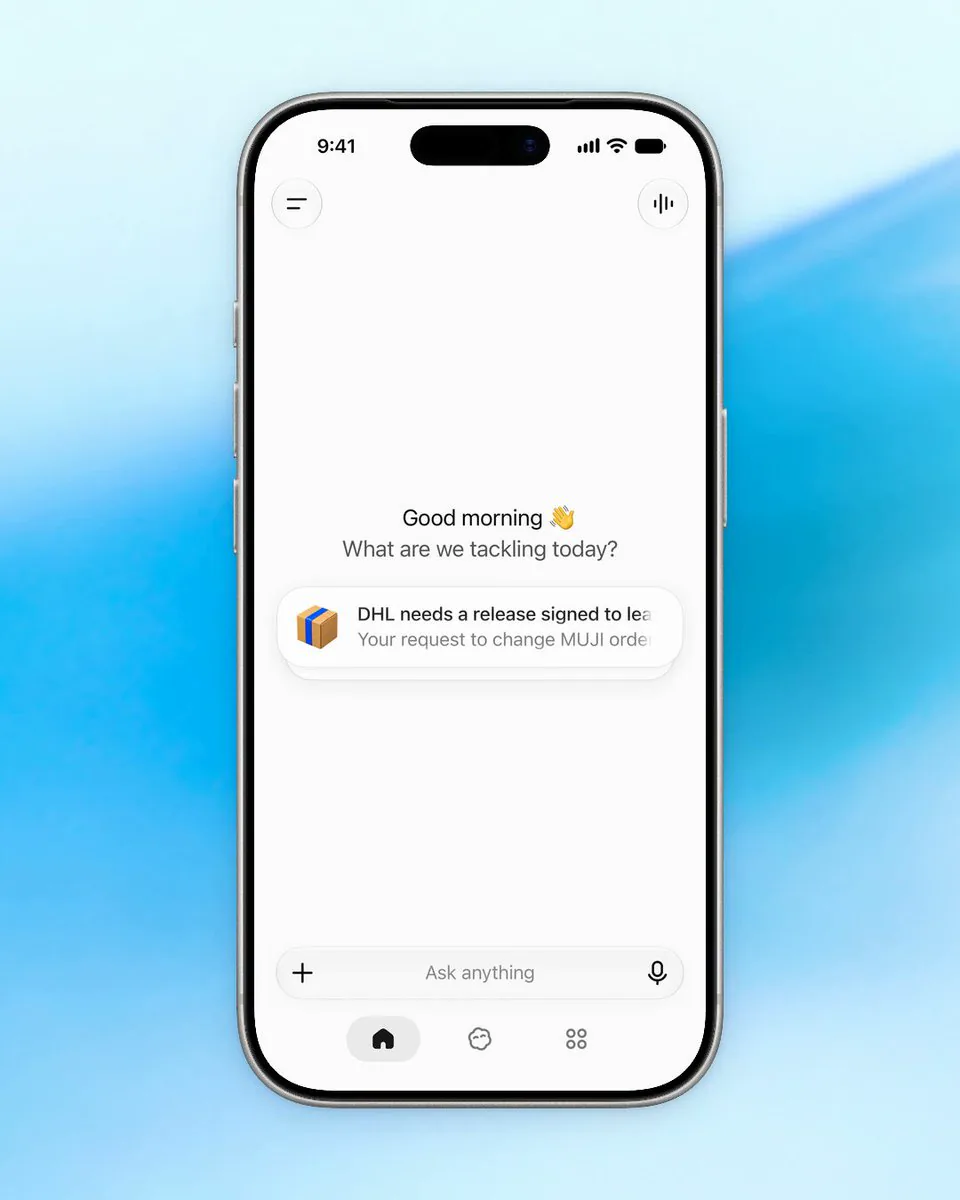
OpenAI Launches ChatGPT Wallet for dots: Network-Tokenized Agent Payments With Mandatory Biometric Checks
Developed with American Express, Mastercard, and Visa for US ChatGPT Pro subscribers in dots, ChatGPT Wallet shields raw card numbers behind substitute payment tokens and requires per-purchase authorization.
THE STORY IN THREE POINTS
- OpenAI began rolling out ChatGPT Wallet inside dots on November 13 for ChatGPT Pro subscribers aged 18+ in the United States using eligible US-issued American Express, Mastercard, and Visa credit cards.
- Neither merchants nor agents ever see raw card numbers: after a user reviews item totals and approves via Face ID or fingerprint scan, the card network generates a substitute payment token preserving card rewards and chargeback protections.
- Alongside consumer checkout, OpenAI published a Commerce Partner Playbook with Web Bot Auth signatures, WebMCP tools, and risk/payment integrations spanning Stripe, Adyen, Checkout.com, Forter, Riskified, Sardine, and Signifyd.
How ChatGPT Wallet shields card numbers behind per-purchase biometric tokens
Announced on November 13, 2026, ChatGPT Wallet moves OpenAI’s always-on dots assistants from shopping research into direct transaction execution—built on top of OpenAI’s four-tier dot permission rules and cited alongside ChatGPT’s 1.2 billion weekly users. Initially scoped strictly inside dots for eligible 18+ US ChatGPT Pro subscribers with supported US cards from American Express (marking Amex’s first Agentic Commerce Experiences launch), Mastercard, and Visa, the wallet lets users save a card once and authorize purchases without typing card numbers into checkout forms.
Every transaction triggers an explicit approval pause: the user inspects the itemized basket, final total, and chosen card, then passes a biometric security check such as Face ID or a fingerprint scan, recording a clear authorization audit log. Upon approval, the payment network issues a tokenized credential—complete with a substitute card number, expiration date, and security code—so neither the merchant nor the AI agent handles the underlying card number. Unlike closed prepaid wallets, purchases settle over regular rails and preserve cardholder rewards and dispute protections.
Equipping merchants: Web Bot Auth, WebMCP, and fraud-engine compatibility
To keep legacy bot mitigation and risk scoring from mistakenly blocking legitimate agent orders, OpenAI released a companion Commerce Partner Playbook through developers.openai.com/commerce. Merchants keep direct control over pricing, customer relationships, fulfillment, returns, and support, while gaining technical integrations built alongside payment processors Stripe, Adyen, and Checkout.com plus fraud-prevention vendors Forter, Riskified, Sardine, and Signifyd.
Site operators can get started in three steps without rebuilding checkout stacks: verify business listings with fresh pricing feeds inside ChatGPT, configure CDNs and firewalls to recognize cryptographically signed traffic via Web Bot Auth so agents are not blocked by generic scrapers filters, and optionally expose cart/inventory plugins or WebMCP browser tools.
Sources: Introducing ChatGPT Wallet|OpenAI ↗ ChatGPT Wallet Rollout in dots (@ChatGPT)|X ↗ Commerce in ChatGPT & Partner Playbook|OpenAI Developers ↗
THE BROADER CONTEXT · OPENAI DOSSIER
Explore full product specifications, pricing analysis, and continuous coverage in the OpenAI Desk Hub and dots Dossier. Independent benchmarks available on the AI Intelligence Index and Coding Agents Leaderboard.