Perplexity vs ChatGPT: Web Citations, Accuracy & Search
While ChatGPT handles coding, canvases, and long-form reasoning, Perplexity queries the live web on every prompt—and an Ahrefs citation audit shows 28.6% of Perplexity’s cited URLs overlap Google’s top 10 results compared with just 8.0% for ChatGPT in-text links.

THE STORY IN THREE POINTS
- Short verdict: choose Perplexity for real-time research, transparent inline source trails, and fast claim verification; choose ChatGPT (backed by GPT-6.2 Astra/Sol and Intelligent UI) for multi-turn coding, document drafting, persistent memory, and multimodal workspaces.
- In an Ahrefs study of 15,000 long-tail queries compiled in Milan Novotný’s citation report, 28.6% of Perplexity’s cited URLs appeared in Google’s top 10 organic results versus only 8.0% of ChatGPT’s in-text citations (6.1% for bottom references).
- Architecturally, Perplexity enforces live web retrieval by default on every query, whereas ChatGPT selectively invokes search as a tool backed heavily by Microsoft Bing’s index and OpenAI’s OAI-SearchBot crawler.
Selection verdict: live citation engine vs general AI workspace
Comparing Perplexity vs ChatGPT comes down to whether a session begins with verifying external facts or synthesizing work inside an iterative workspace. Perplexity is engineered strictly as an answer and research engine: nearly every response is grounded against live web sources, structured around numbered inline footnotes, and easy to audit back to primary documentation within seconds.
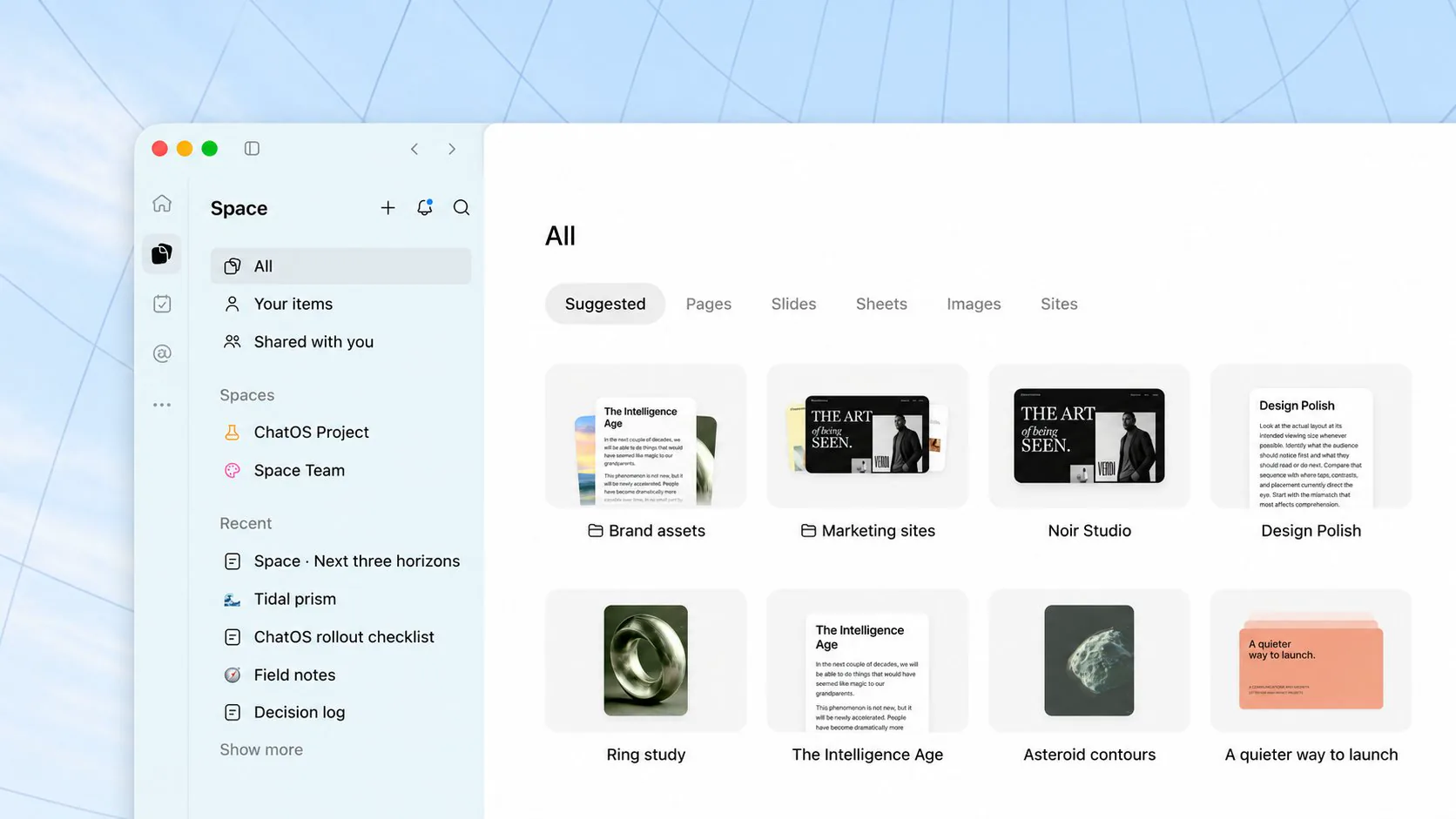
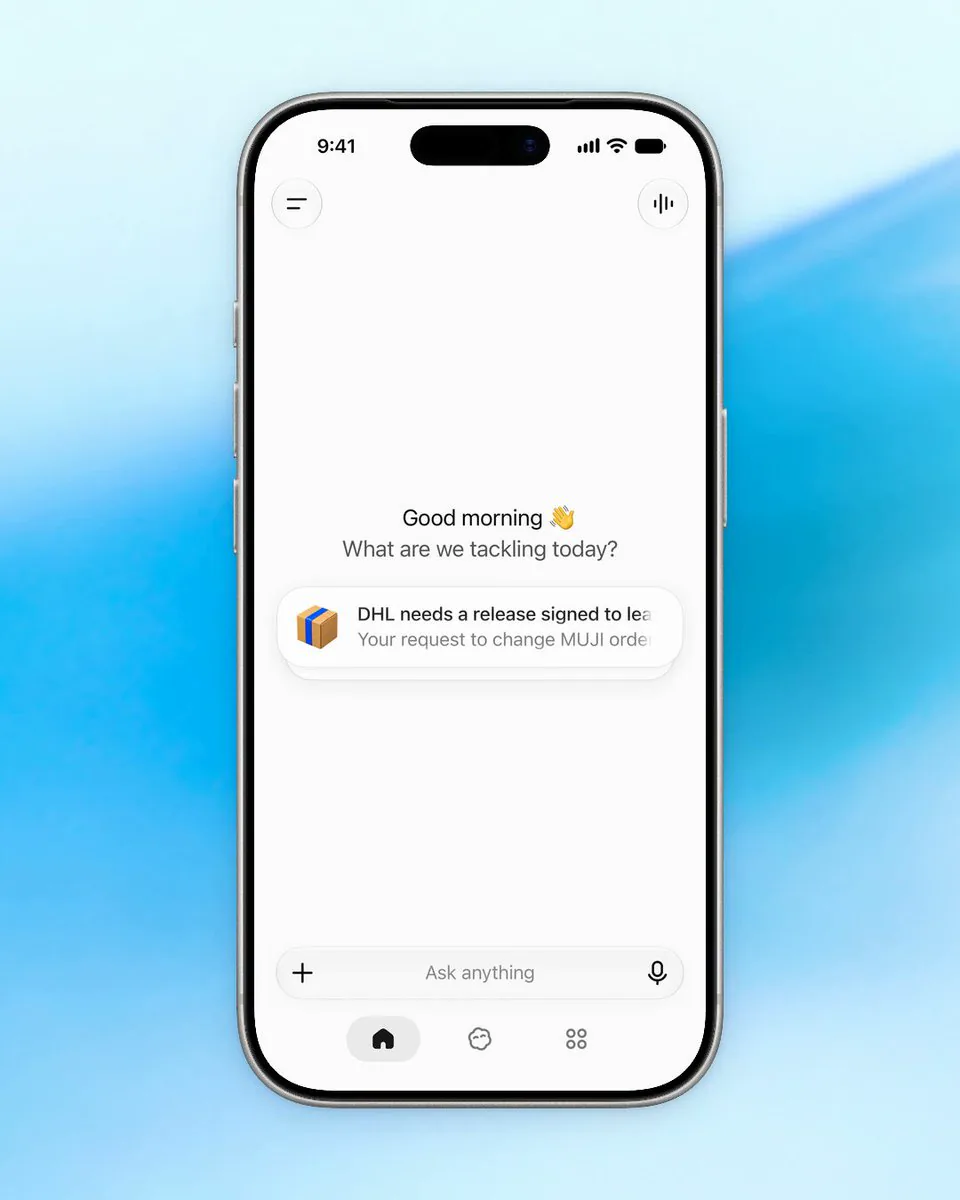
ChatGPT—now powered by GPT-6.2 Astra and GPT-6.2 Sol alongside Intelligent UI dynamic canvases—treats web retrieval as one tool inside a broader multimodal assistant. For multi-file coding, creative drafting, persistent workspace memory, and deep reasoning (tracked on our AI Intelligence Index), ChatGPT delivers far richer workspace continuity even when web citations are secondary.
Citation overlap with Google Top 10: 28.6% vs 8.0% empirical gap
Quantitative search audits explain why the two products feel noticeably different when researching fast-moving technical or market topics. As compiled in Milan Novotný’s September 2026 statistical synthesis drawing on an Ahrefs analysis of 15,000 long-tail queries (collected July 2025), 28.6% of Perplexity’s cited URLs ranked inside Google’s top 10 organic results (with Semrush domain-level overlap exceeding 91%).
Over the identical prompt set, only 8.0% of ChatGPT’s in-text citation URLs—and 6.1% of its bottom reference links—appeared in Google’s top 10, with the vast majority pulling from pages deeper in the index (often beyond position 20) and tracking closer to Microsoft Bing’s top 10 (8.1%). That 3.6x top-10 Google overlap means Perplexity tends to surface established primary documentation and authoritative newsrooms more predictably, while ChatGPT often aggregates broader long-tail pages unless explicitly steered.
Default live retrieval vs selective search triggering
As Readdy’s product breakdown and EggMatic’s 2026 search review point out, retrieval cadence shapes accuracy before a single word is generated. Perplexity executes live web retrieval by default on every query, routing across search indexes and its own real-time crawlers before synthesizing an answer from retrieved snippets.
ChatGPT operates selectively: its model router decides autonomously whether a question can be answered from parametric training weights or requires invoking web search (primarily backed by Microsoft’s Bing index alongside OpenAI’s dedicated OAI-SearchBot and publisher partnerships), unless a user forces Search manually. When queries involve subtle recent API deprecations or pricing revisions, selective routing can occasionally answer from stale memory rather than checking live docs—echoing why search platforms themselves, including Google’s October AI Search update giving source links more room, have moved toward more visible source attribution.
Hallucination risk, publisher attribution, and practical verification
Neither tool eliminates verification work, though their failure modes differ cleanly as highlighted in AIComparison’s evaluation. Perplexity lowers pure training-cutoff hallucinations on current events and API specs, yet can still misread a snippet or cite SEO roundups that sit high in search rankings if a user fails to click through to primary sources.
ChatGPT excels when a prompt supplies the primary context directly (pasted RFCs, SQL schemas, or codebases) where synthesis and reasoning matter more than web discovery. For high-stakes engineering or research workflows, many power users pair both: discover and verify live primary URLs in Perplexity first, then bring verified docs into ChatGPT for deep synthesis, code generation, or structured formatting.
Sources: Perplexity AI Answer & Research Engine|Perplexity ↗ Introducing ChatGPT Search|OpenAI ↗ Perplexity vs ChatGPT 2026: Usage, Citations & Traffic Statistics|Milan Novotný ↗ Perplexity vs ChatGPT: Search & Workflow Comparison|Readdy ↗ Perplexity vs ChatGPT Search 2026|EggMatic ↗ Perplexity vs ChatGPT Accuracy & Citations|AIComparison ↗
THE BROADER CONTEXT · OPENAI DOSSIER
Explore full product specifications, pricing analysis, and continuous coverage in the OpenAI Desk Hub. Independent benchmarks available on the AI Intelligence Index and Coding Agents Leaderboard.