Seedance 2.5 Video Generation: 30-Second Limits, Multi-Asset References, and Resolution Ceilings
ByteDance Seed’s Seedance 2.5 maintains consistent top-tier rankings on video arenas, but independent testing dispels promotional claims of 4K output, confirming native limits at 1080p and 30-second generations.
THE STORY IN THREE POINTS
- Official Seedance 2.5 technical documentation establishes native output resolutions at 480p, 720p, and 1080p, refuting third-party affiliate claims of native 4K 10-bit rendering.
- The model architecture supports continuous generation between 4 and 30 seconds with up to two subsequent extensions, accommodating multimodal prompts across 11 languages.
- The multi-reference conditioning engine accepts up to 50 combined assets (30 images, 10 video clips, 10 audio files), delivering precise character consistency and synchronized sound.
Resolution verification: Auditing native 1080p caps vs. inflated 4K claims
ByteDance Seed’s Seedance 2.5 has captured significant attention across global creative communities, holding the #1 position on the Artificial Analysis Image-to-Video Arena with an Elo rating of 1,159. However, proliferating tool directories and affiliate blogs have distorted official specifications, widely advertising native 4K 10-bit video outputs. Rigorous examination of the underlying Volcano Engine and BytePlus ModelArk API endpoints confirms that native generation caps strictly at 1080p resolution (1920x1080).
While Draft Mode outputs rapid previews at 480p and standard generation runs at 720p, high-fidelity production renders are constrained to Full HD. Any 4K outputs circulated on social media represent secondary spatial upscaling via external post-processing pipelines rather than direct latent model synthesis. Creators must calibrate production workflows accordingly to prevent unanticipated fidelity degradation during large-format displays.
Reference conditioning: Managing 50-asset character and audio inputs
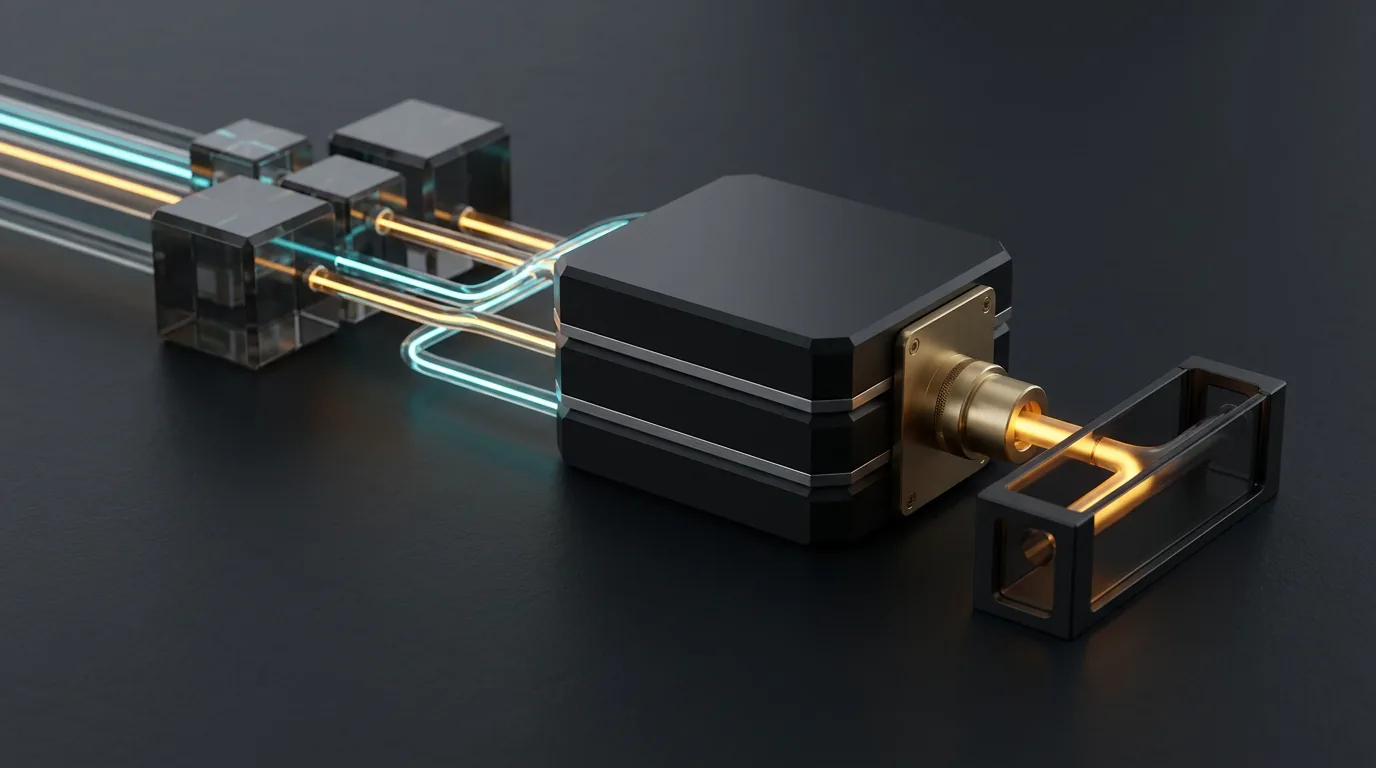
Where Seedance 2.5 genuinely redefines video foundation model standards is in its sophisticated multi-asset conditioning engine. Unlike competing architectures that accept only solitary start and end frames, Seedance 2.5 ingests up to 50 distinct reference assets per generation request. This asset budget is distributed across up to 30 still images, 10 short video references, and 10 isolated audio tracks.
This multi-conditioning capability enables studio directors to preserve intricate costume details, character facial geometry, and environmental lighting across sequential shots. Furthermore, native multi-language voice synchronization accurately aligns character lip movements with conversational audio across 11 major global languages without requiring specialized lip-sync post-processing.
Duration boundaries, extension workflows, and API rate economics
Seedance 2.5 provides single-pass continuous video generation ranging from 4 to 30 seconds in duration. For narrative sequences requiring longer continuity, the system allows up to two sequential extensions, enabling a maximum uninterrupted scene duration of 90 seconds under consistent physics and character constraints.
Commercial access is billed on Volcano Engine at approximately $34.12 per minute of synthesized 1080p video, positioning Seedance 2.5 as a competitive alternative to proprietary solutions like Runway Gen-3 and OpenAI Sora 2 while offering superior multi-asset identity retention.
Sources: Seedance 2.5 Technical Specifications & Model Portal|ByteDance Seed ↗ Image-to-Video Leaderboard & Quality Evaluation|Artificial Analysis ↗
THE BROADER CONTEXT · FRONTIER LABS DOSSIER
Explore full product specifications, pricing analysis, and continuous coverage in the Frontier Labs Desk Hub and Others Dossier. Independent benchmarks available on the AI Intelligence Index and Coding Agents Leaderboard.