Best Local Video Generation Models: VRAM, Runtimes & License
Open-weight local video models now span 8GB consumer GPUs and native audio-video sync—matching Apache-2.0 Wan 2.2, Lightricks LTX-2.5 ($10M ARR cap), and HunyuanVideo 1.5 (regional bans) to VRAM limits and Mac MLX runtimes.
THE STORY IN THREE POINTS
- Alibaba’s Wan 2.2 (Apache 2.0, zero revenue or territory restrictions) is the safest commercial default: its quantized 5B hybrid TI2V checkpoint fits on 8GB–12GB consumer GPUs with offloading via ComfyUI/WanGP, while closed-weight Wan 3.0 remains cloud-API only.
- Lightricks’ 22B LTX-2.5 leads native synchronized audio-and-video generation in a single diffusion pass (running on 24GB–32GB consumer cards via distilled FP8/INT8 checkpoints with RAM offloading), free for commercial teams under $10M annual revenue.
- Regional license bans and runtime limits require verification: Tencent HunyuanVideo 1.5 (8.3B, 14–24GB FP8) restricts EU/UK/South Korea deployment under its community license, Apple Silicon relies on Draw Things or mlx-video (32GB+ RAM), and Ollama does not support video diffusion.
Best 8GB–12GB commercial default: Wan 2.2 (Apache 2.0) vs closed Wan 3.0
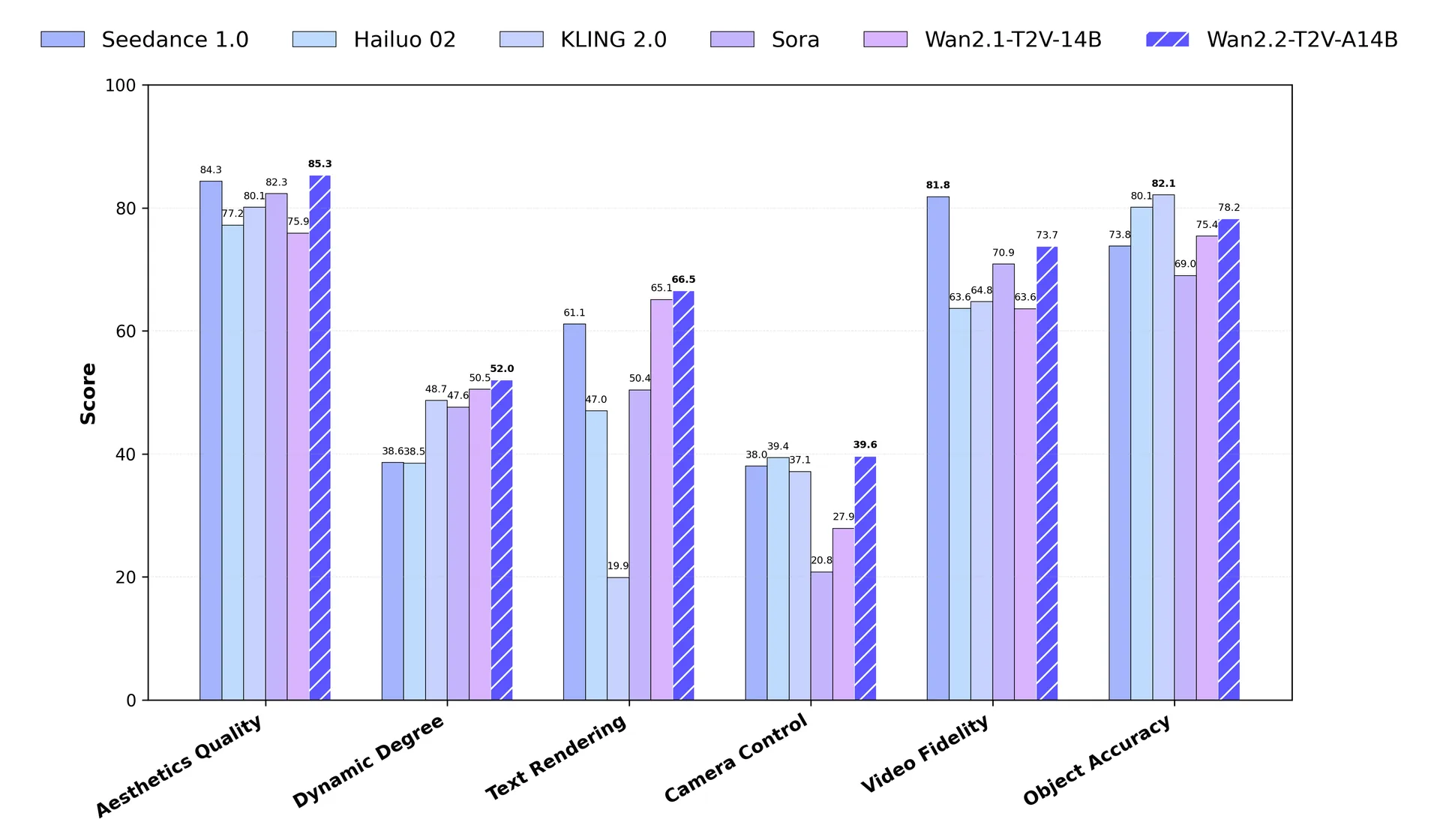
Creators looking for the best local video generation model face a stark gap between cloud demos and weights they can legally run on desktop hardware. Alibaba’s Wan 2.2 remains the strongest all-around local foundation because it combines Mixture-of-Experts timestep denoising and a high-compression 16x16x4 VAE under an unrestricted Apache 2.0 license—with zero revenue caps, royalties, or geographic exclusions. Using quantized GGUF or FP8 checkpoints with block offloading in ComfyUI or WanGP, the 5B hybrid TI2V tier runs on 8GB–12GB consumer NVIDIA GPUs, while 14B MoE builds scale cleanly onto 24GB–80GB rigs.
Do not confuse Wan 2.2 with Alibaba’s newer flagship: as we verified in our Alibaba Wan 3.0 benchmark and deployment audit, Wan 3.0 has no downloadable open weights—the official Wan-AI Hugging Face organization stops at Apache-2.0 Wan 2.2, leaving Wan 3.0 strictly a cloud Model Studio API product.
Native audio sync (LTX-2.5) and territory license traps (HunyuanVideo & MiniMax)
When synchronized dialogue, foley soundscapes, and rapid clip iteration are essential, Lightricks’ LTX-2.5 (22B Diffusion Transformer) renders audio and multi-shot video jointly inside a single pass—far faster than separate video-plus-foley pipelines. While unquantized checkpoints favor 32GB+ GPUs (such as an RTX 5090 or datacenter cards), distilled FP8/INT8 builds with host RAM offloading bring LTX-2.5 onto 24GB–32GB workstations. Check revenue thresholds before shipping commercially: the LTX-2 Community License permits free commercial use for organizations below $10 million in annual revenue (ARR), requiring an enterprise license above that ceiling.
Geography clauses matter just as much as GPU memory, as highlighted in VDF.ai’s local video evaluation and our open-weight license territory matrix. Tencent’s HunyuanVideo 1.5 (8.3B parameters, ~14GB–24GB VRAM in FP8/INT8) delivers impressive physical realism on a single RTX 4090, yet Tencent’s Hunyuan Community License excludes deployment in the EU, UK, and South Korea—mirroring the US/EU/UK/South Korea exclusions in MiniMax H3 community licenses. Global studios needing frictionless compliance should stick to Apache-2.0 Wan 2.2 or licensed LTX-2.5.
Runtimes: ComfyUI, WanGP, Apple Silicon mlx-video, and why Ollama won’t run video
On Windows and Linux CUDA machines, ComfyUI (paired with GGUF/FP8 loader nodes and WanGP memory-management wrappers) is the standard local runtime for Wan 2.2, LTX-2.5, and HunyuanVideo—giving fine-grained control over VAE tiling, LoRAs, and CPU offload so clips finish cleanly without out-of-memory crashes. Beginners frequently ask whether Ollama can run local video checkpoints; it cannot, because Ollama’s runtime targets autoregressive text and multimodal understanding rather than spatiotemporal video diffusion.
Mac users on Apple Silicon bypass CUDA via Draw Things or community MLX ports such as mlx-video. Realistic memory expectations are non-negotiable on unified RAM: 8GB and 16GB Macs hit immediate OOM walls on modern video diffusion latents, 32GB unified memory is the practical floor for quantized Wan 2.2 5B clips, and 64GB+ Macs are recommended for sustained higher-resolution pipelines. Track commercial cloud video contenders alongside open weights on our Leaderboards Hub (where legacy /video-i2v/ links now consolidate).
Sources: Wan 2.2 Official Open-Weight Video Repository (Apache 2.0)|GitHub ↗ LTX-2.5 Architecture, Native Audio & Community License|Lightricks LTX ↗ HunyuanVideo 1.5 Repository & License Terms|GitHub / Tencent ↗ Best Local Video Generation Models: VRAM, Speed & Compliance|VDF.ai ↗
THE BROADER CONTEXT · FRONTIER LABS DOSSIER
Explore full product specifications, pricing analysis, and continuous coverage in the Frontier Labs Desk Hub and Qwen Dossier. Independent benchmarks available on the AI Intelligence Index and Coding Agents Leaderboard.