LMArena vs Artificial Analysis Leaderboards: Methodology, Bradley-Terry and Elo Limits
Comparing crowdsourced blind arena ratings against standardized automated grader suites across multimodal video, text, and coding leaderboards.
THE STORY IN THREE POINTS
- LMArena relies on human crowdsourced blind A/B testing with Bradley-Terry paired comparisons, capturing user preference but introducing length and style bias.
- Artificial Analysis implements fixed benchmark suites (MMLU-Pro, SWE-bench, reasoning evals) evaluated under standardized graders, isolating task accuracy from user subjective taste.
- Discrepancies like Gemini Omni 1.2 Flash ranking #1 on LMArena Video while ranking #7 on Artificial Analysis Video Arena stem directly from these distinct mathematical foundations.
Bradley-Terry paired comparisons vs standardized metric scoring
Software developers and enterprise buyers frequently encounter contradictory leaderboard rankings when evaluating identical foundation models. Understanding these outcomes requires examining the mathematical foundations of the two primary public evaluation authorities: LMSYS LMArena (formerly Chatbot Arena) and Artificial Analysis.
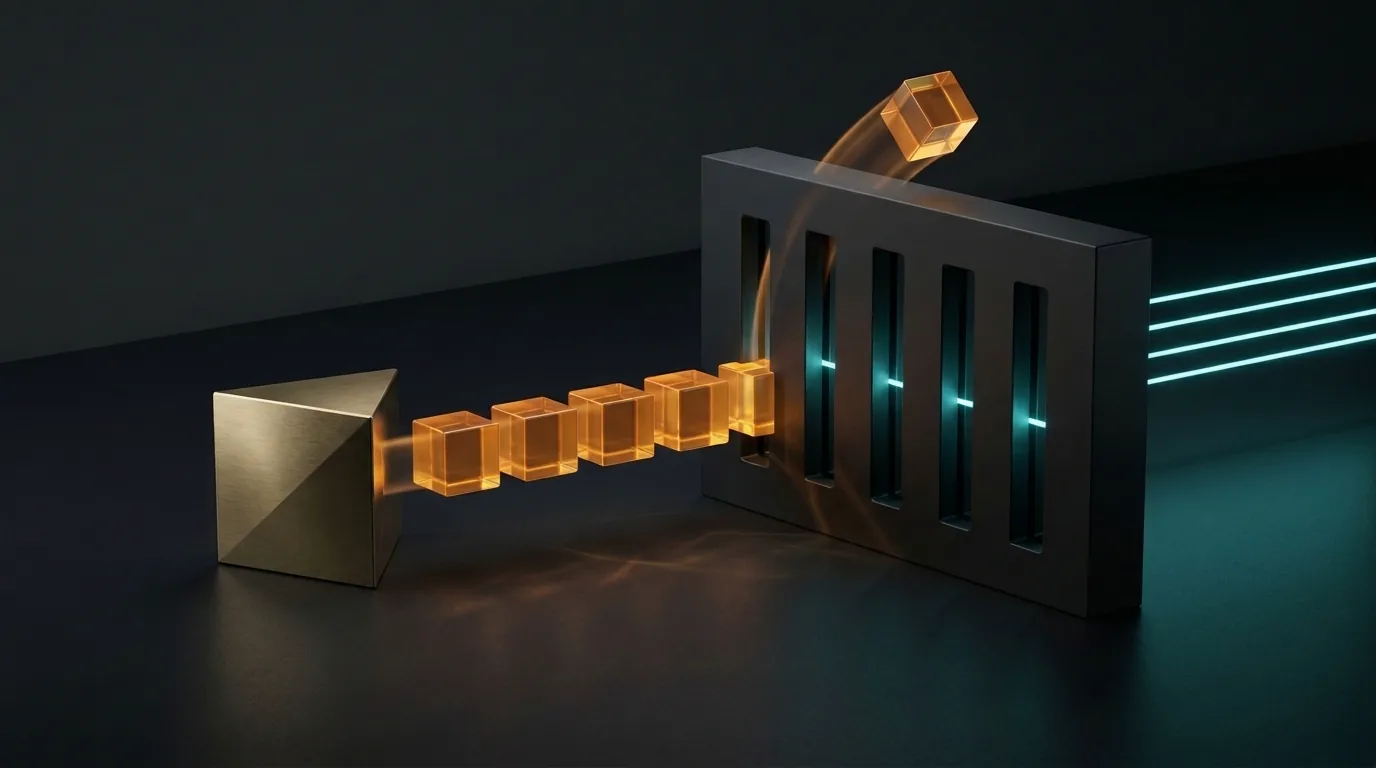
LMArena operates on human crowdsourced blind A/B testing, utilizing the Bradley-Terry statistical model to compute Elo ratings from pairwise user preferences. While this methodology effectively captures human subjective satisfaction, conversational tone, and visual aesthetics, it is susceptible to systemic biases: models generating longer responses, using bulleted markdown, or applying dramatic camera angles frequently receive higher human votes regardless of factual precision.
Why rankings diverge: Case studies across GPT Image 2.6 and Gemini Omni 1.2 Flash
In contrast, Artificial Analysis utilizes standardized automated evaluator suites, scoring models against deterministic ground-truth benchmarks across speed, cost, context window, and task correctness (such as code execution or mathematical proof validation).
This divergence explains notable real-world ranking contradictions. In video generation, Gemini Omni 1.2 Flash captured the #1 position on LMArena (1540 Elo) based on human visual appeal, but ranked #7 on the Artificial Analysis Video Arena (1113 Elo) under objective temporal coherence metrics. Similarly, on image leaderboards, GPT Image 2.6 Sunburst (Medium) holds #1 on Artificial Analysis (1261 Elo) but #2 on LMArena (1406 Elo) behind generation 2.5.
Choosing the right leaderboard: When human preference matters vs deterministic accuracy
Selecting an evaluation authority depends on application intent. For consumer chatbots, marketing copy generation, and creative video synthesis, LMArena provides an accurate barometer of end-user preference. For automated backend pipelines, financial extraction, API cost optimization, and coding agents, Artificial Analysis offers superior repeatability and cost predictability.
Explore live rankings across our curated dashboards on AI Intelligence Index, Coding Agents, Text Arena, and WebDev Arena.
Sources: LMSYS Chatbot and Multimodal Arena Methodology Guide|LMSYS Organization ↗ Artificial Analysis Intelligence Index v5.0.1 Methodology Documentation|Artificial Analysis ↗ Benchmarking Frontier AI: Crowdsourcing Bias vs Deterministic Evaluator Reliability|arXiv ↗
THE BROADER CONTEXT · FRONTIER LABS DOSSIER
Explore full product specifications, pricing analysis, and continuous coverage in the Frontier Labs Desk Hub and Others Dossier. Independent benchmarks available on the AI Intelligence Index and Coding Agents Leaderboard.