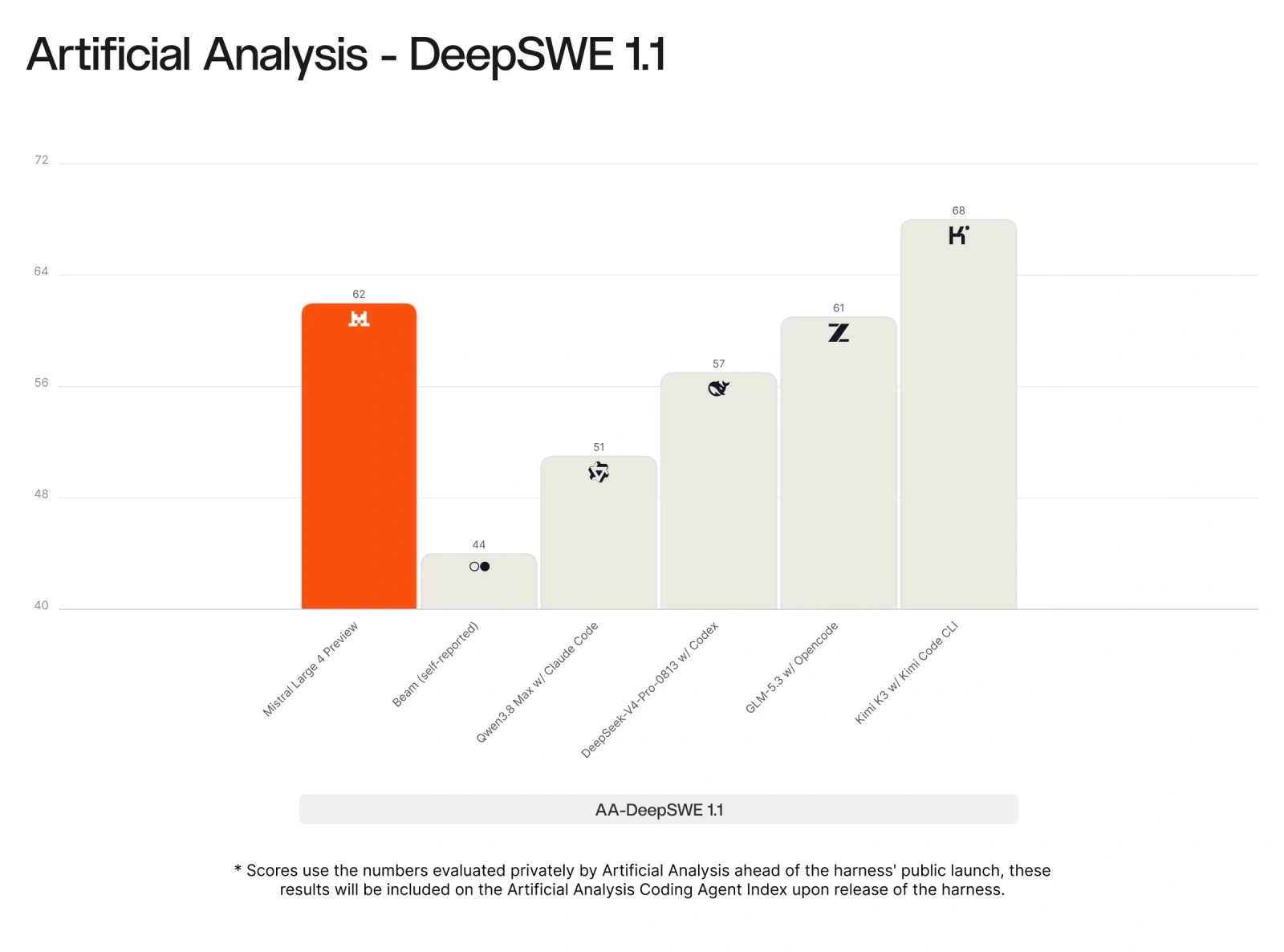
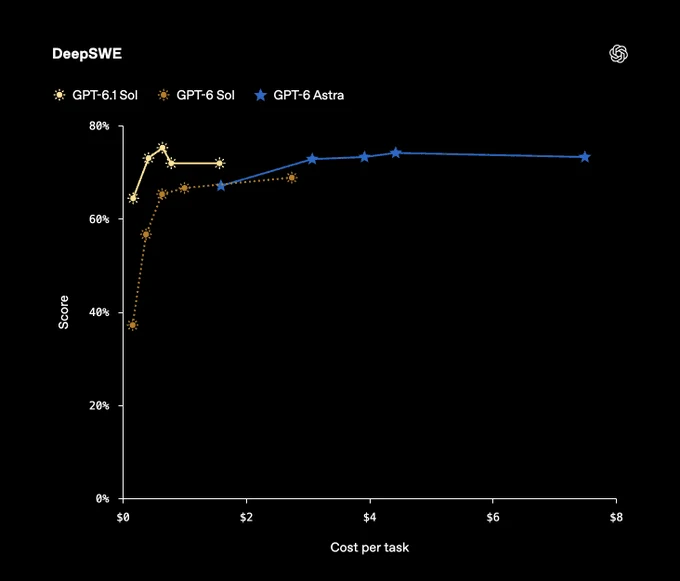
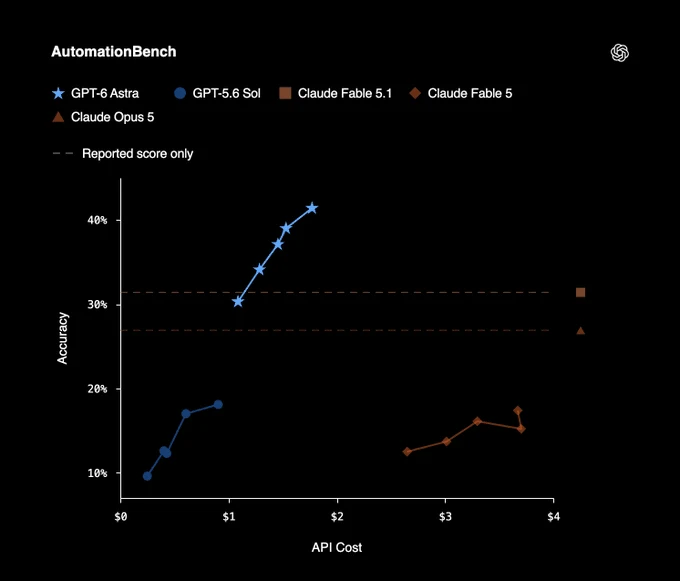
The model arrives in ChatGPT Work, Codex and the API, with standard token prices of $1 input and $5 output per million. Its desktop and coding gains come from OpenAI’s own evaluations.
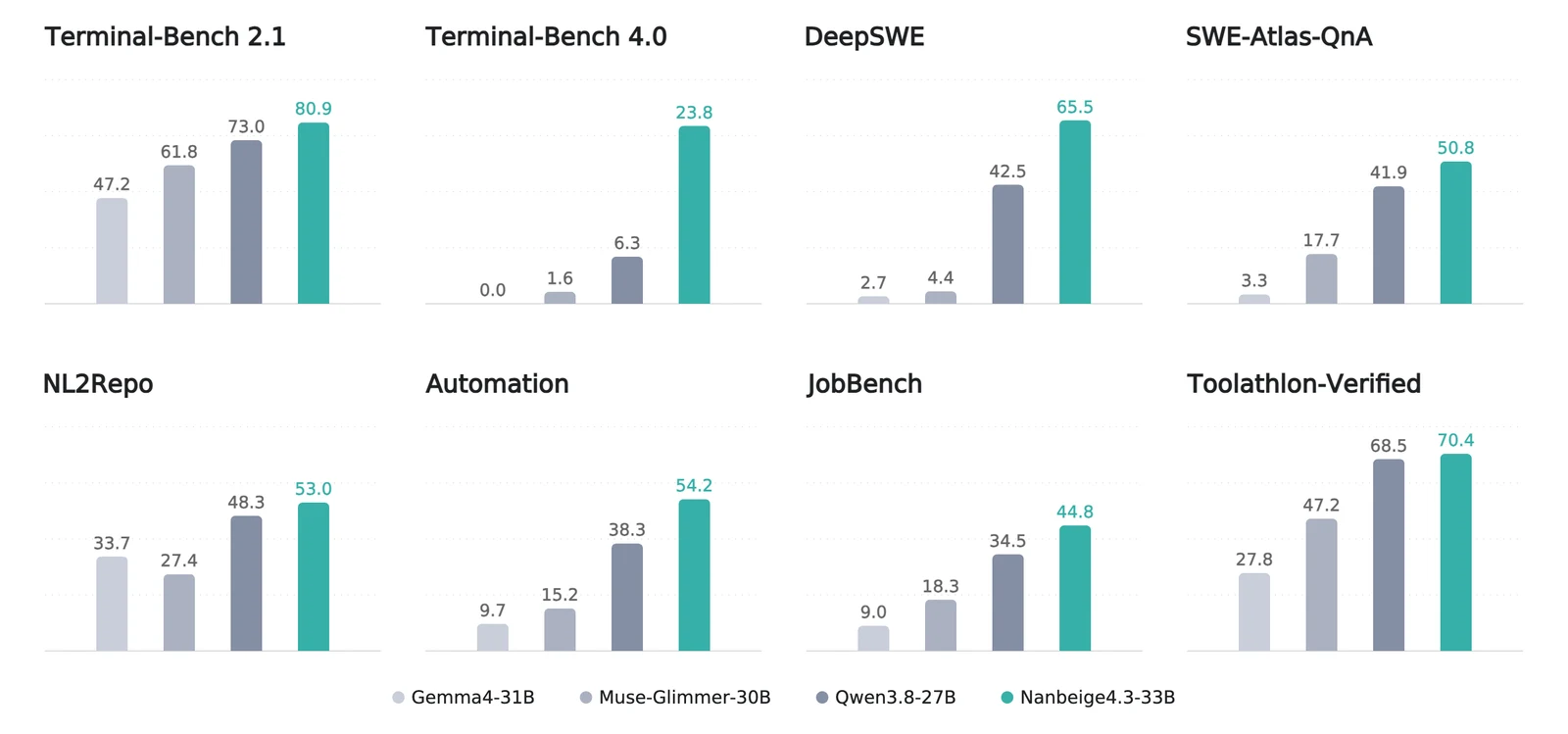
Nanbeige4.3-33B brings downloadable Apache-2.0 weights and a 512K context window. The lab plans to use it as a teacher for smaller agents.
Moonshot’s new flagship and Highspeed variant are available through its products and API. The downloadable-weight release is still ahead.
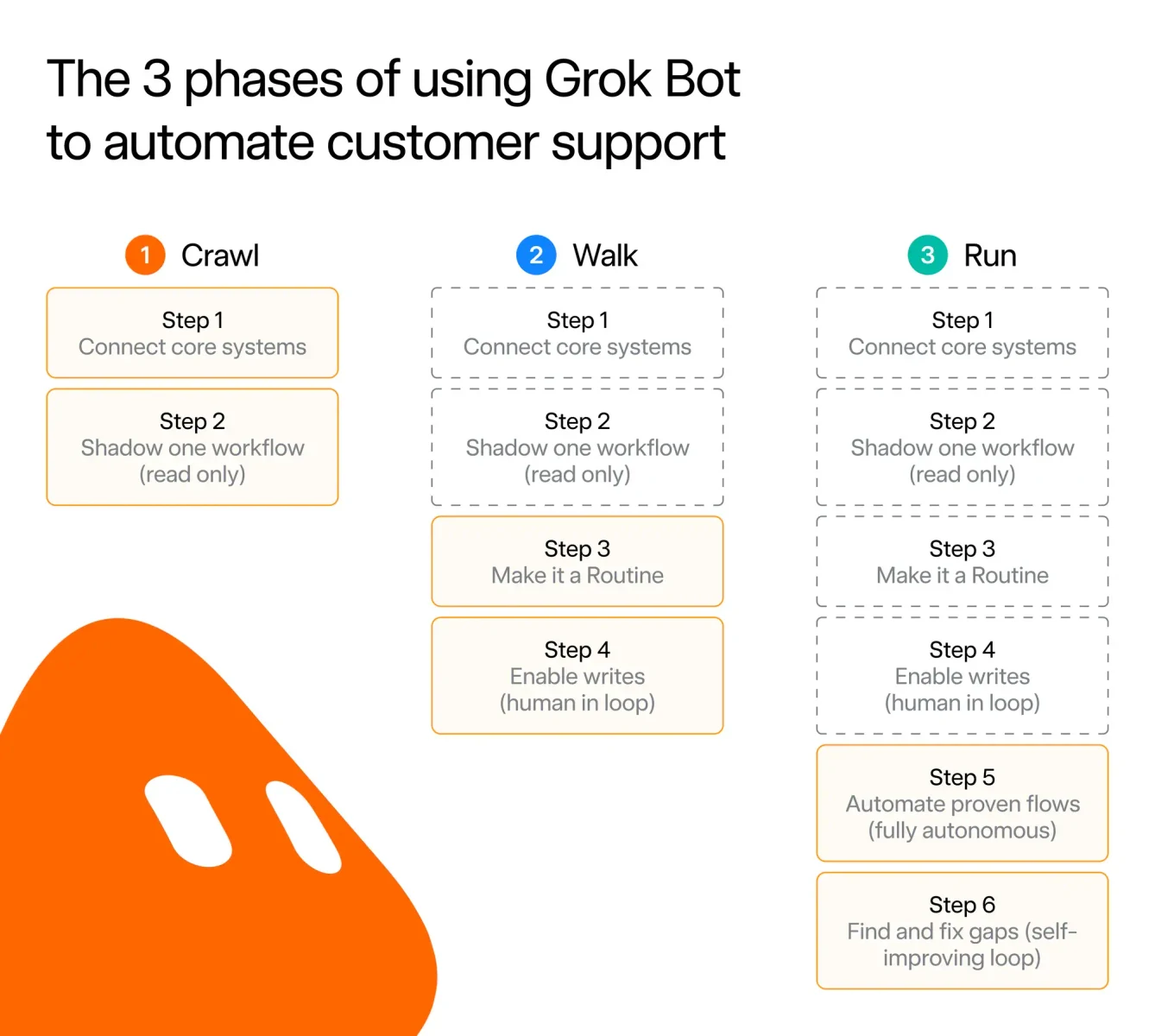
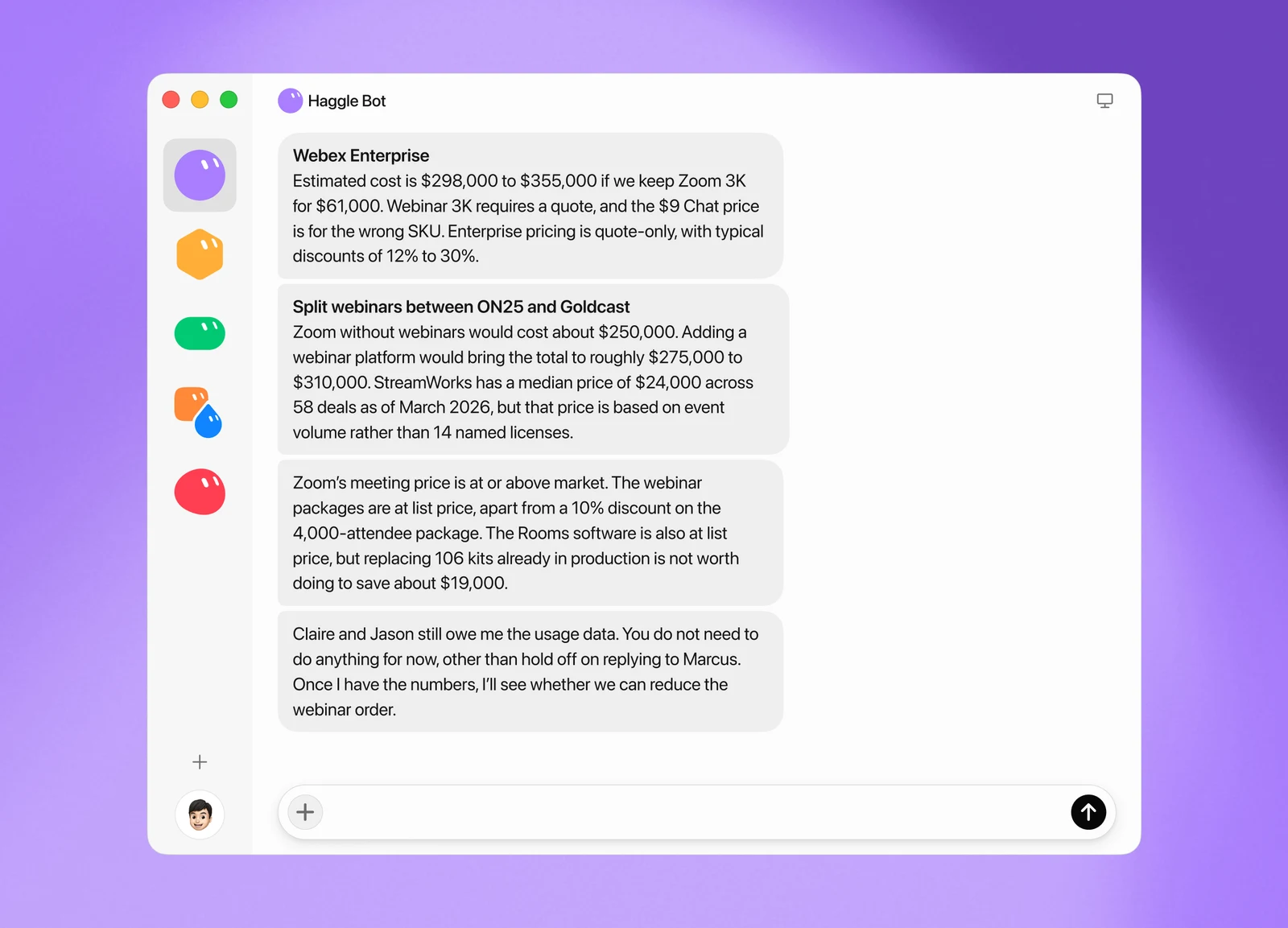
The integration is rolling out across platforms. 1Password says it fills approved logins without exposing passwords or one-time codes to the Bot, with account and plan restrictions.
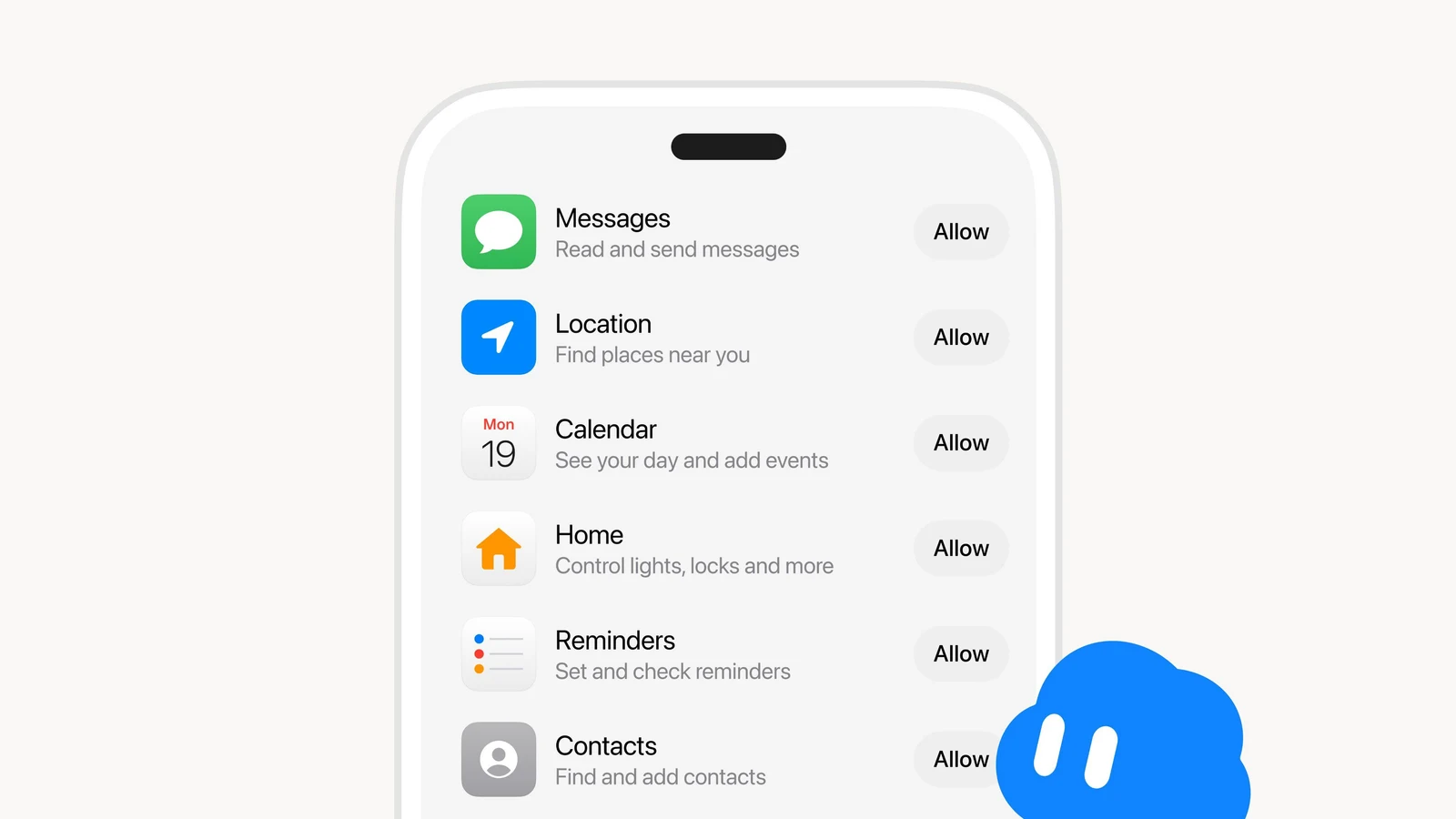
The official Bot account says access to phone apps is rolling out on iOS and Android. The announcement names Calendar, Reminders and Contacts without detailing every supported action.
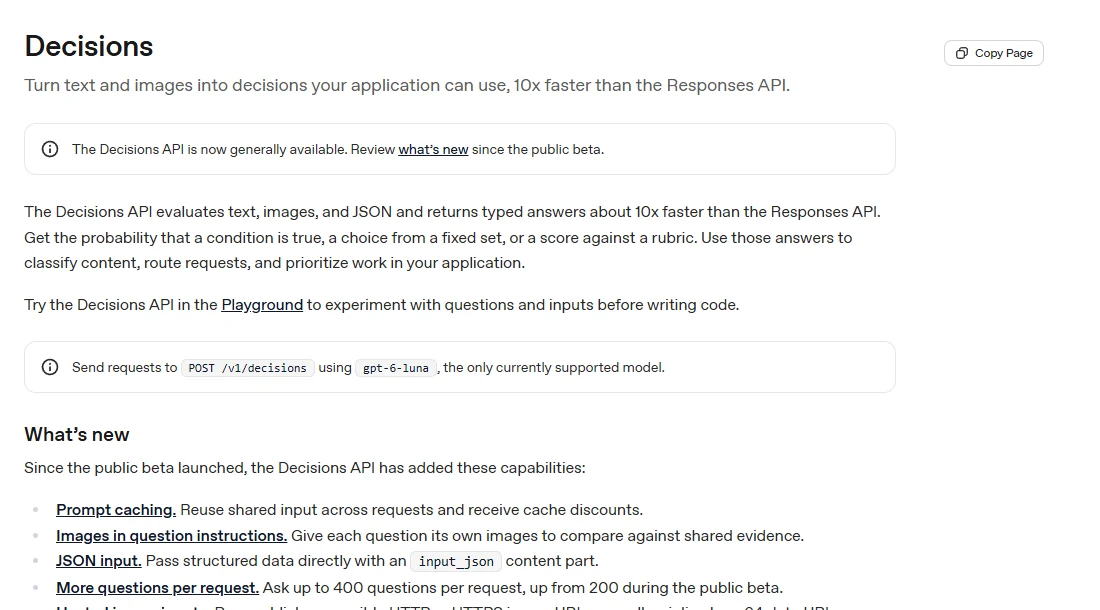
The GPT-6 Luna endpoint now handles up to 400 questions per request. Its input-based pricing includes discounted cache reads and charged cache writes, while answers carry no output-token fee.
The research preview brings morning briefs and background tasks to US Pro and Max subscribers through a waitlist. Official documentation spells out the approval rules, shared usage limits and features still missing.
Signed-in users are promised cache hits when returning to old conversations. OpenAI’s website separately documents a new 12-hour caching option for the Responses API.
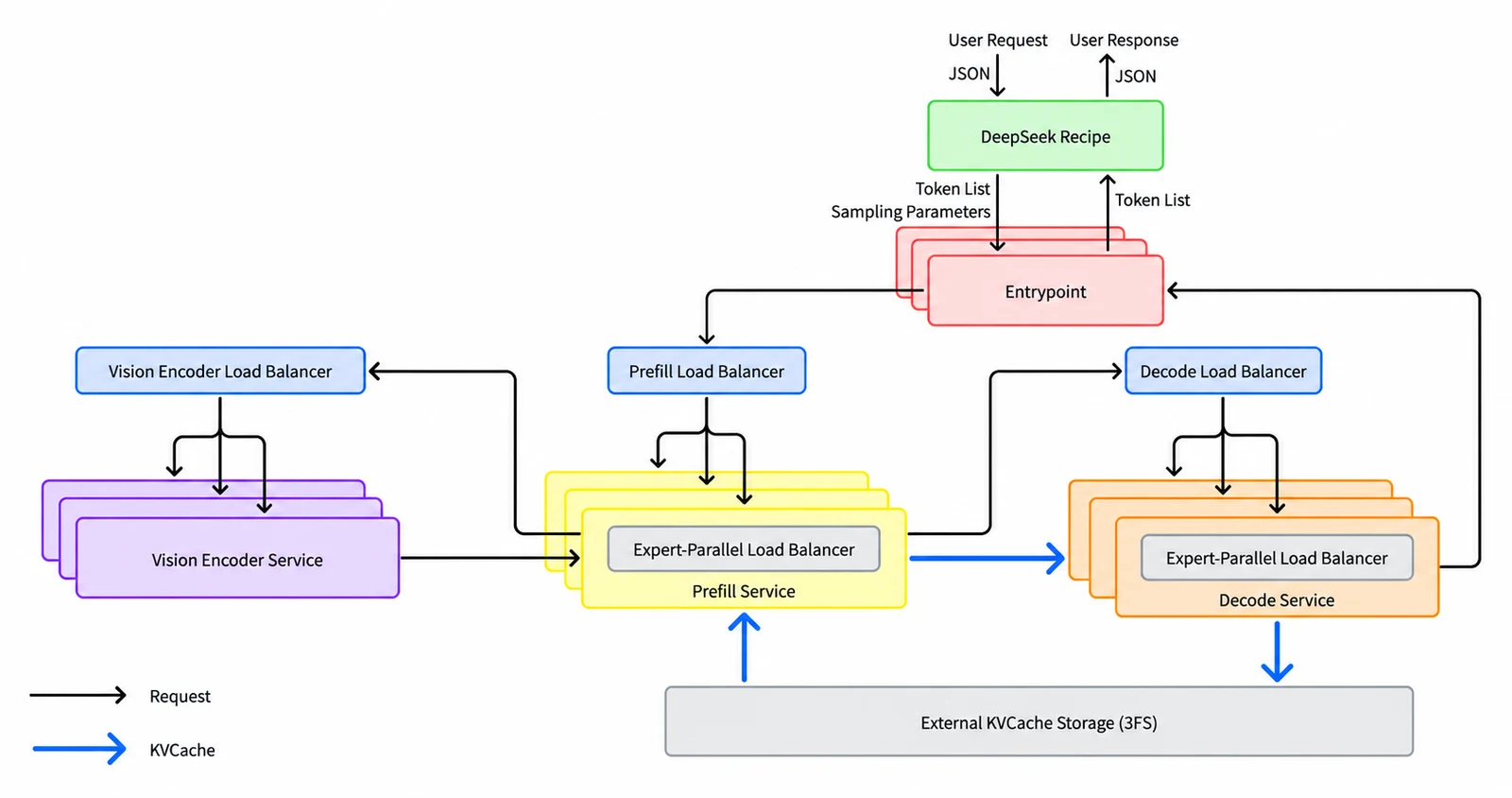
The framework runs V4.1 Flash on NVIDIA and Huawei hardware. Its offline inference core is public, while parts of DeepSeek’s production serving system remain outside the release.
Official weights are now downloadable. The 428B-parameter model pairs a million-token context with efficiency changes, while commercial use carries license conditions.
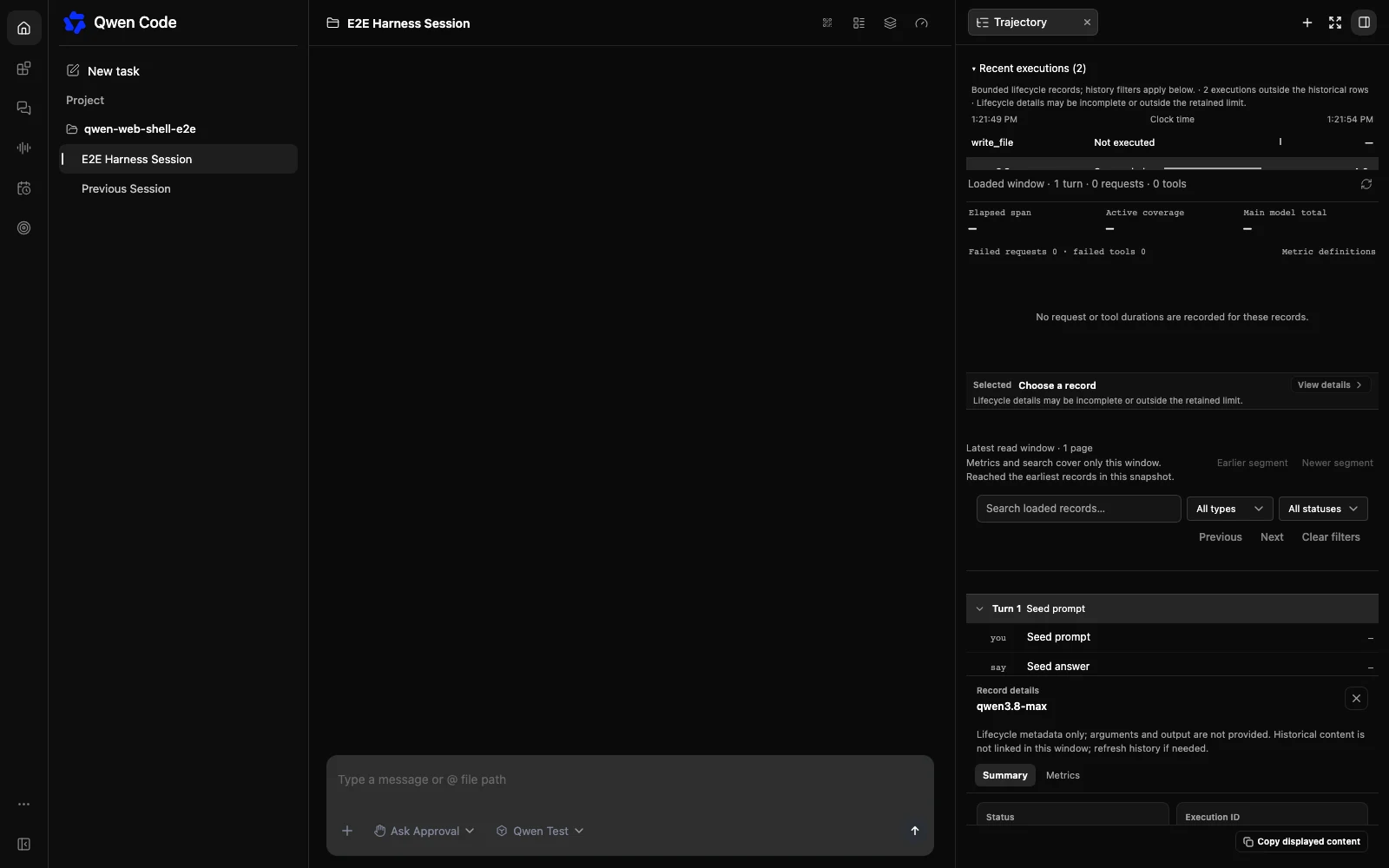
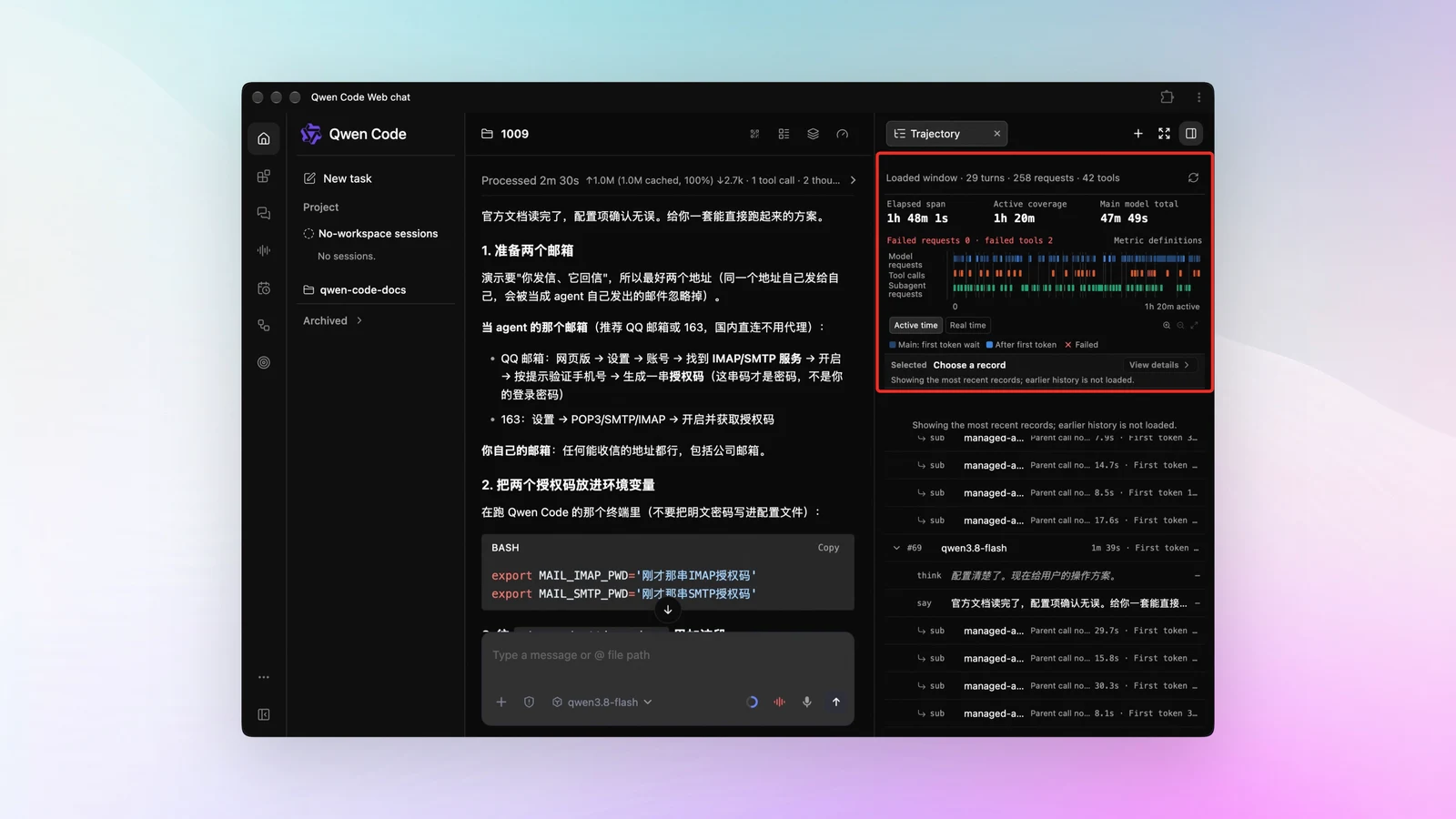
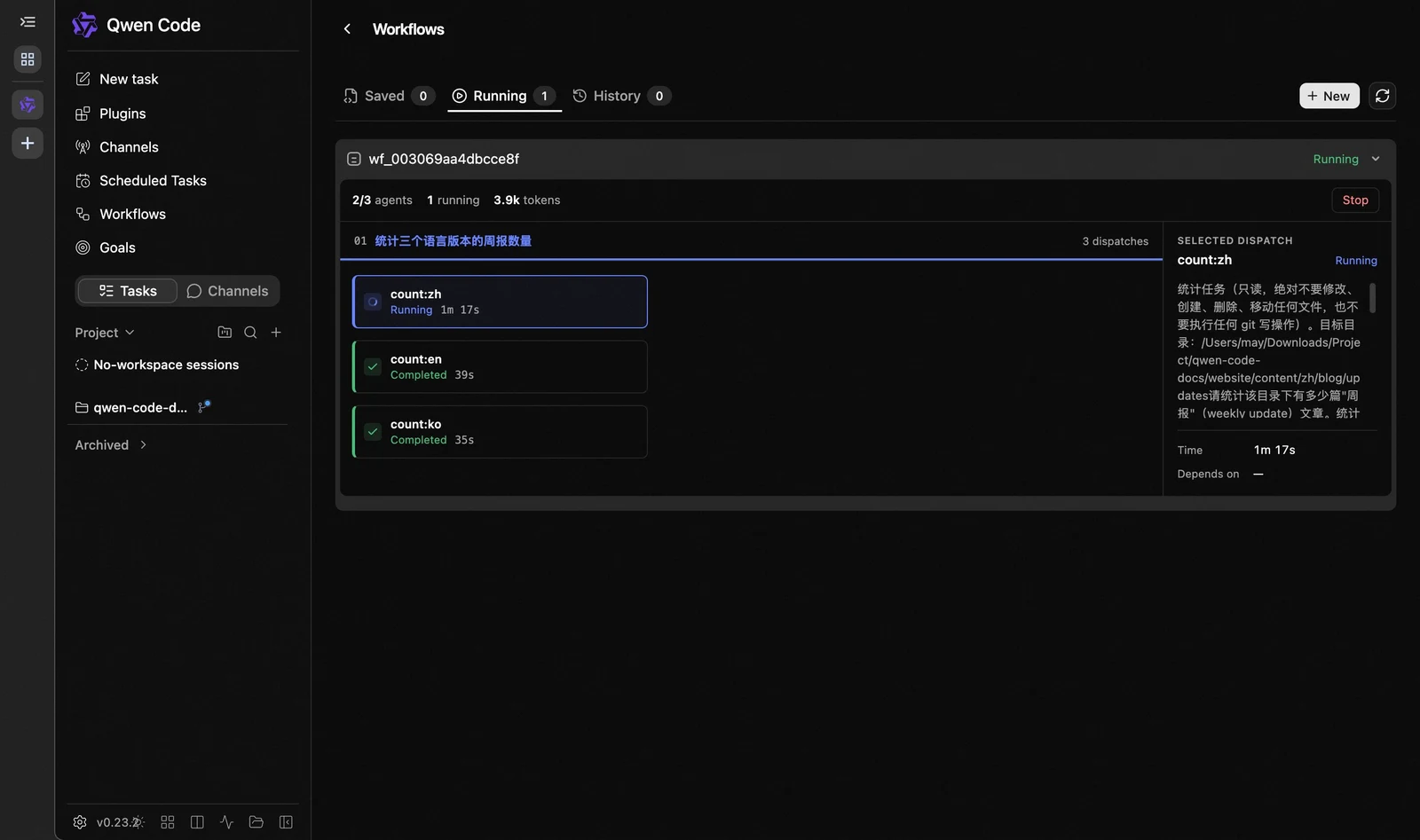
Version 0.25.3 adds live execution records and more workspace controls for people supervising coding agents.
Search and Fetch give developers another route to bring web information into their AI applications.
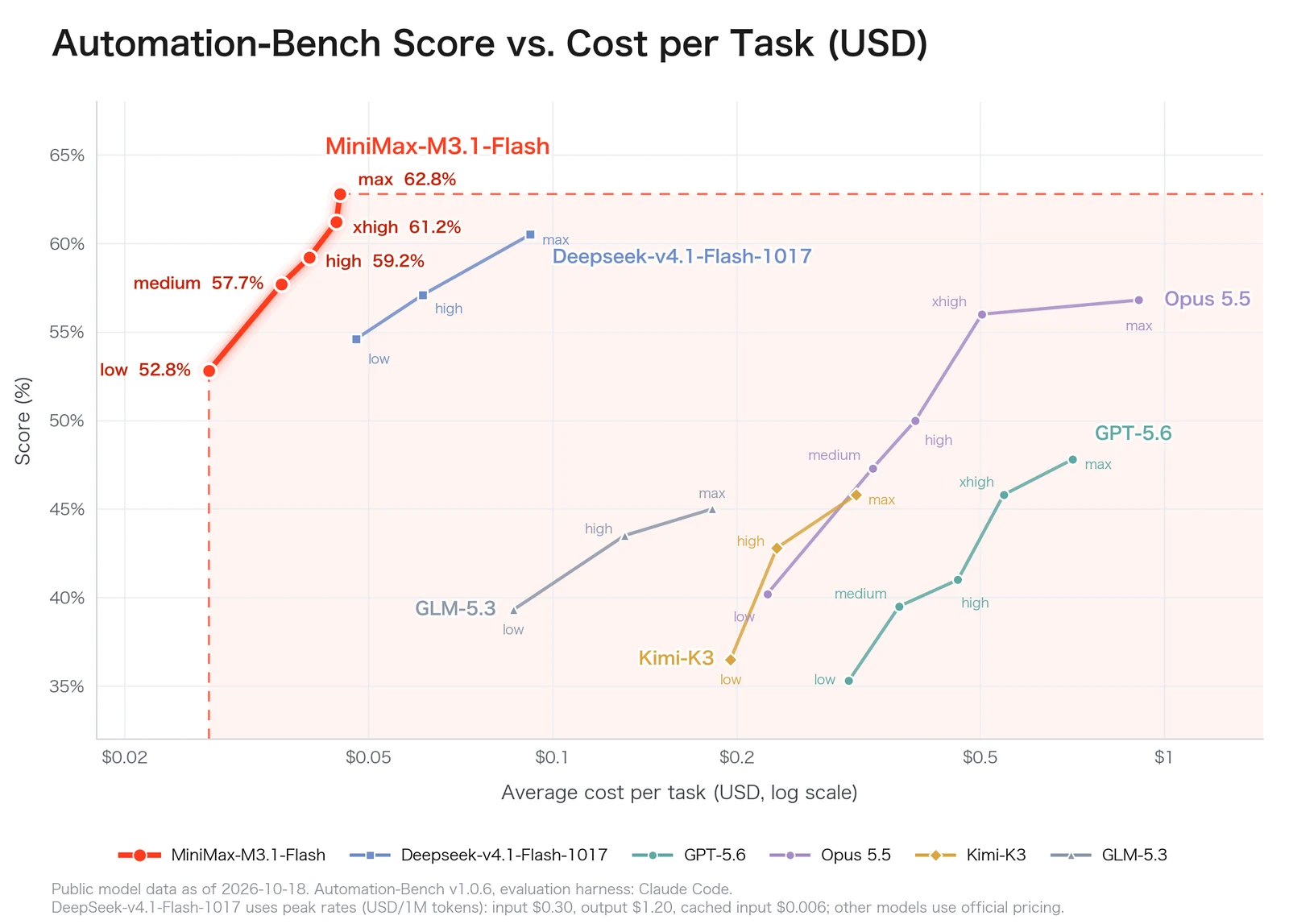
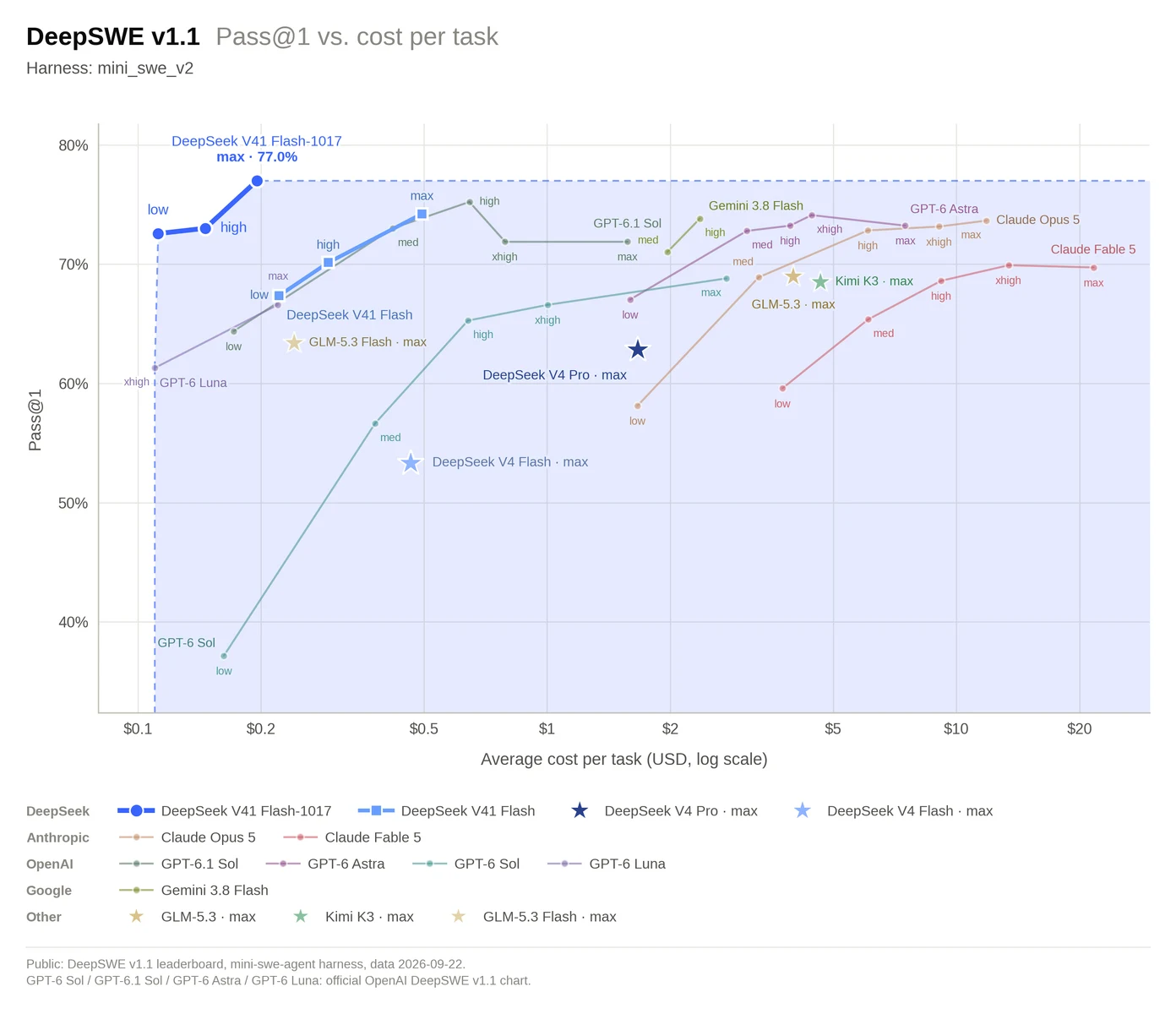
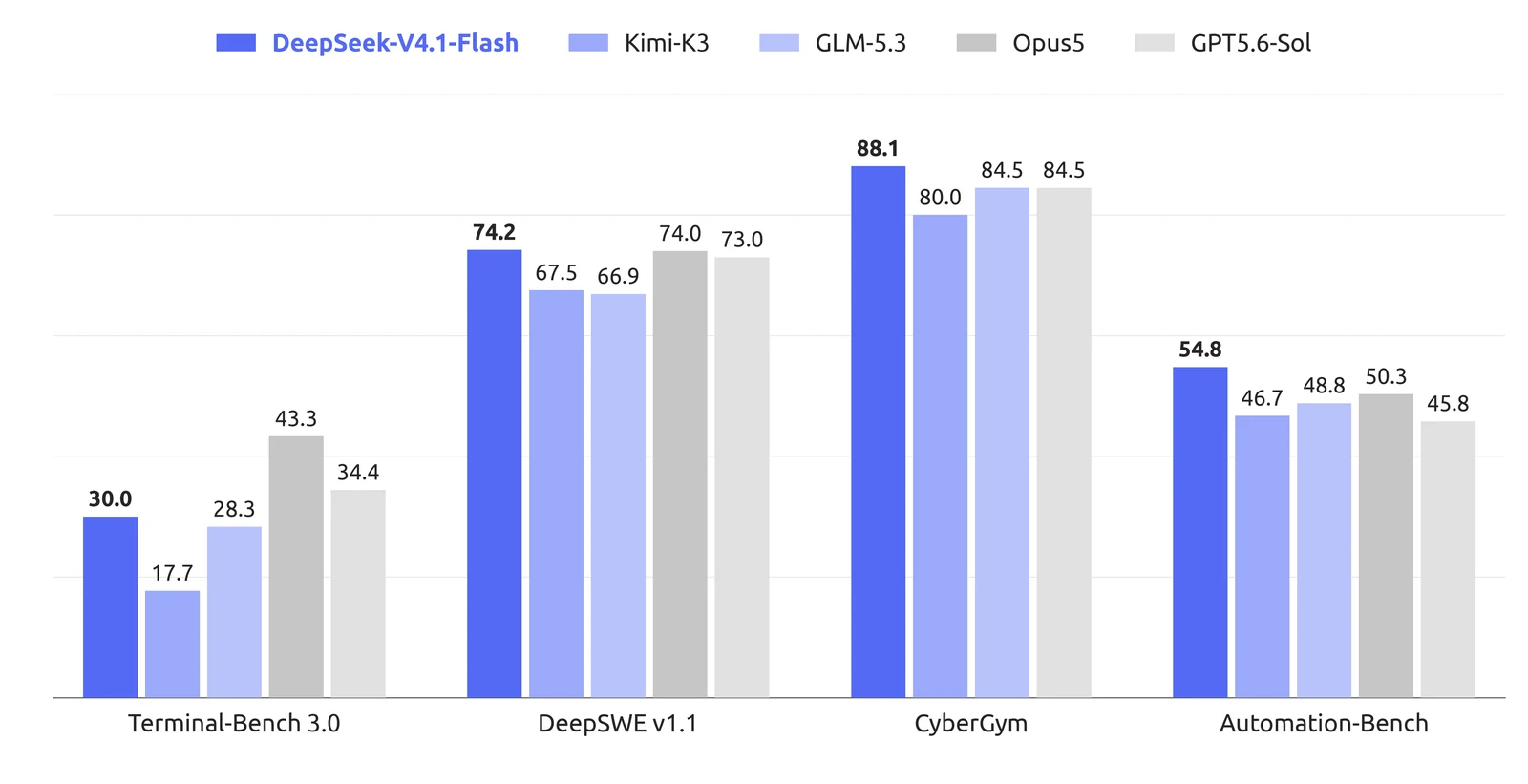
V4.1-Flash-1017 reaches the app, website and API, with DeepSeek reporting shorter task runtimes and stronger results.
The October update improves tool use and lets eligible Pro users follow several agents working on different parts of a task.
The rollout introduces GPT-Live-1.1 and its smaller Quip variant, with new voice choices and more natural accents across languages.
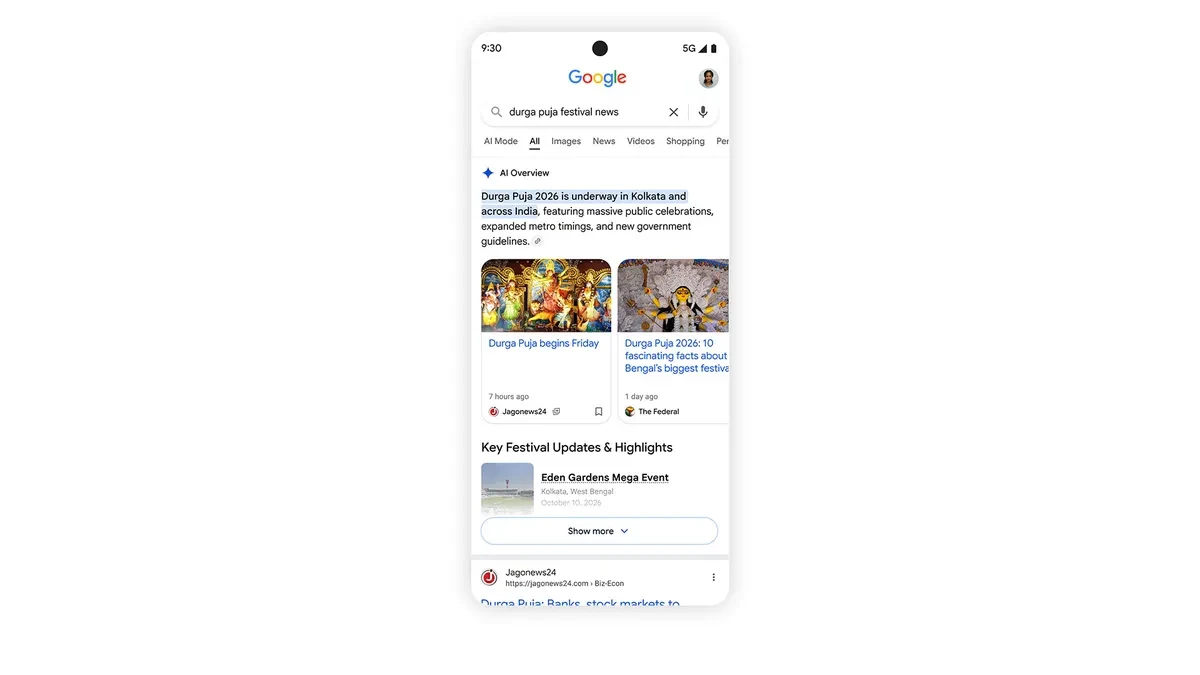
AI Mode and AI Overviews are getting clearer paths to websites and reporting, with some displays still in testing.
Downloadable weights bring a million-token multimodal model to developers, under a license with commercial conditions.
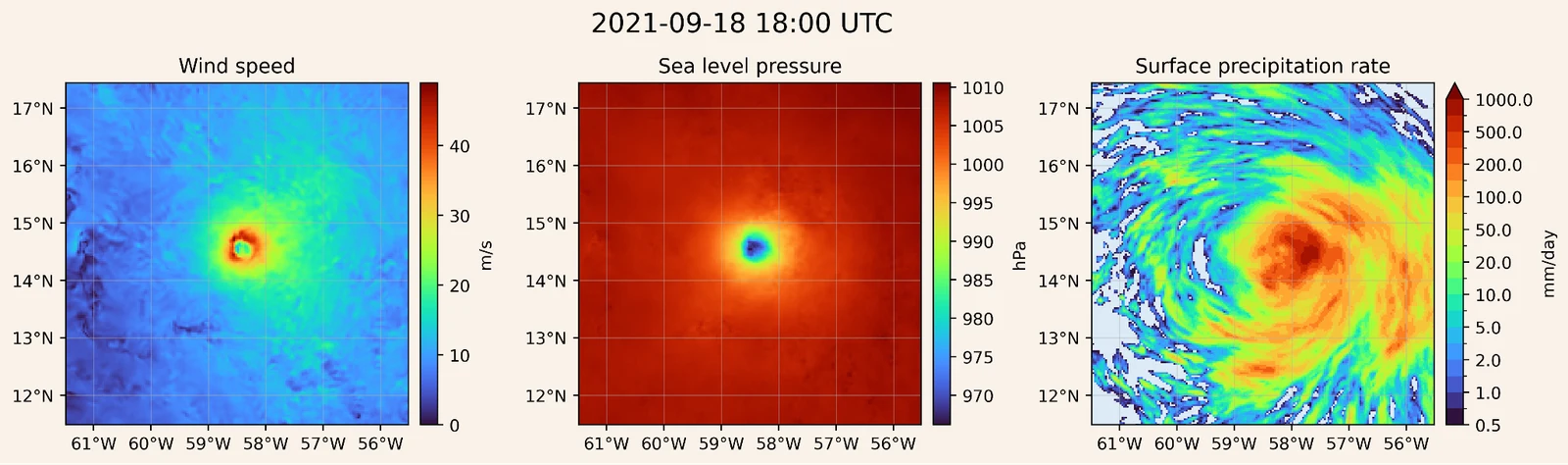
The climate emulator adds detailed wind and pressure output alongside rainfall, with an important limit on climate generalization.
The company’s fifth Asia-Pacific office accompanies an agreement with Singapore’s digital ministry on evaluation and responsible adoption.
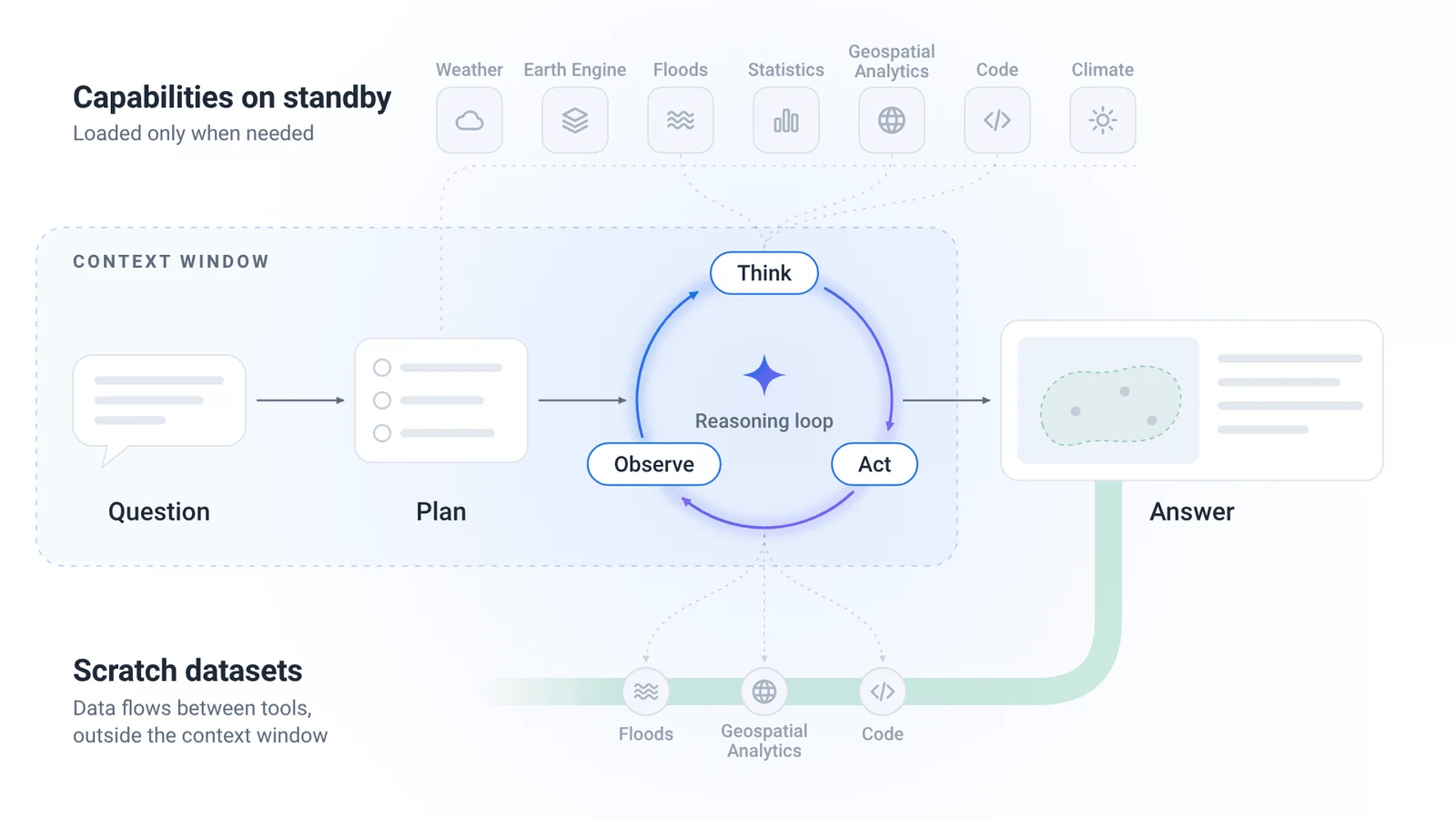
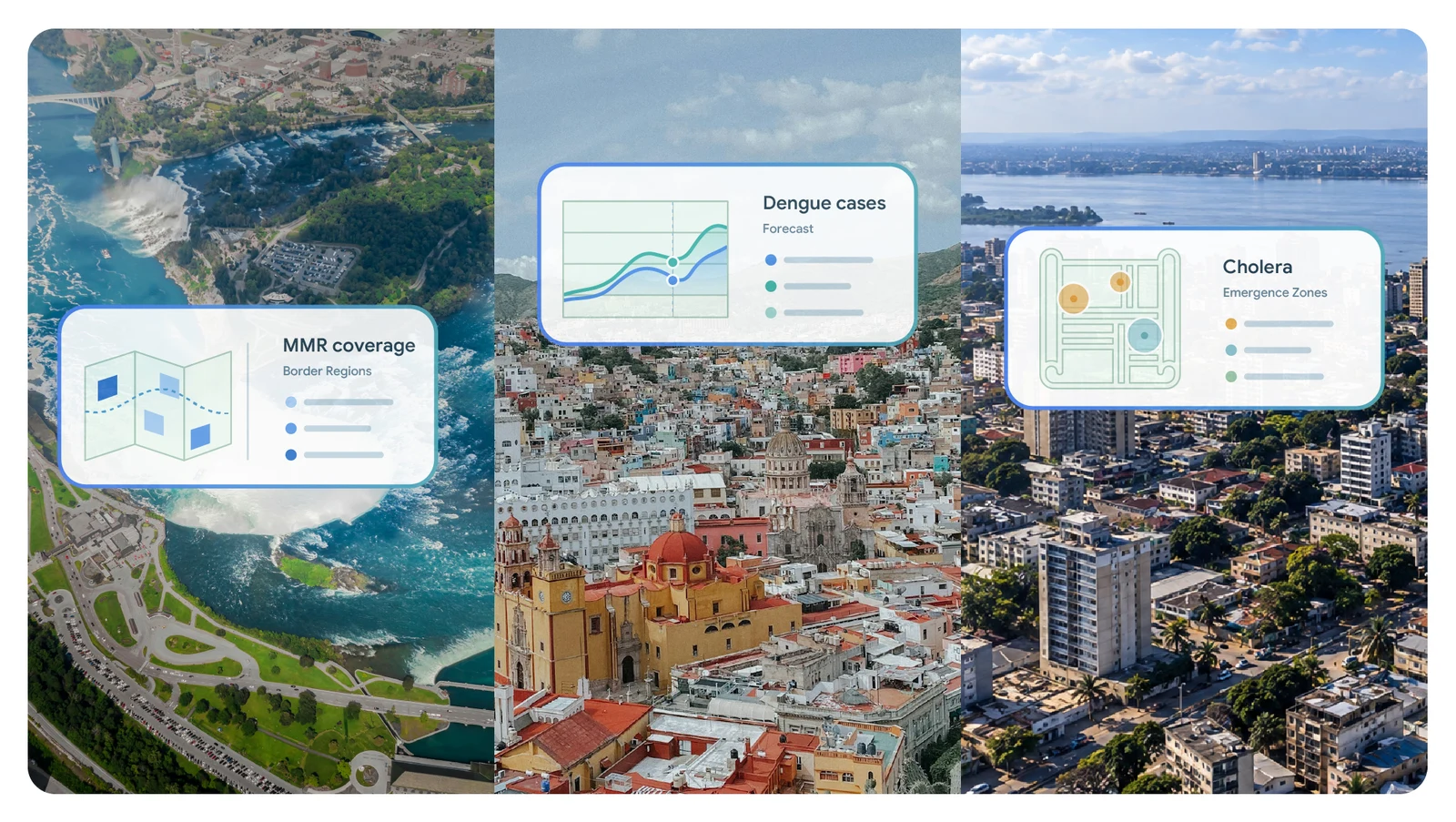
A new Earth AI report combines specialized models, spatial tools and planning, with early access through Google Earth and an agent API.
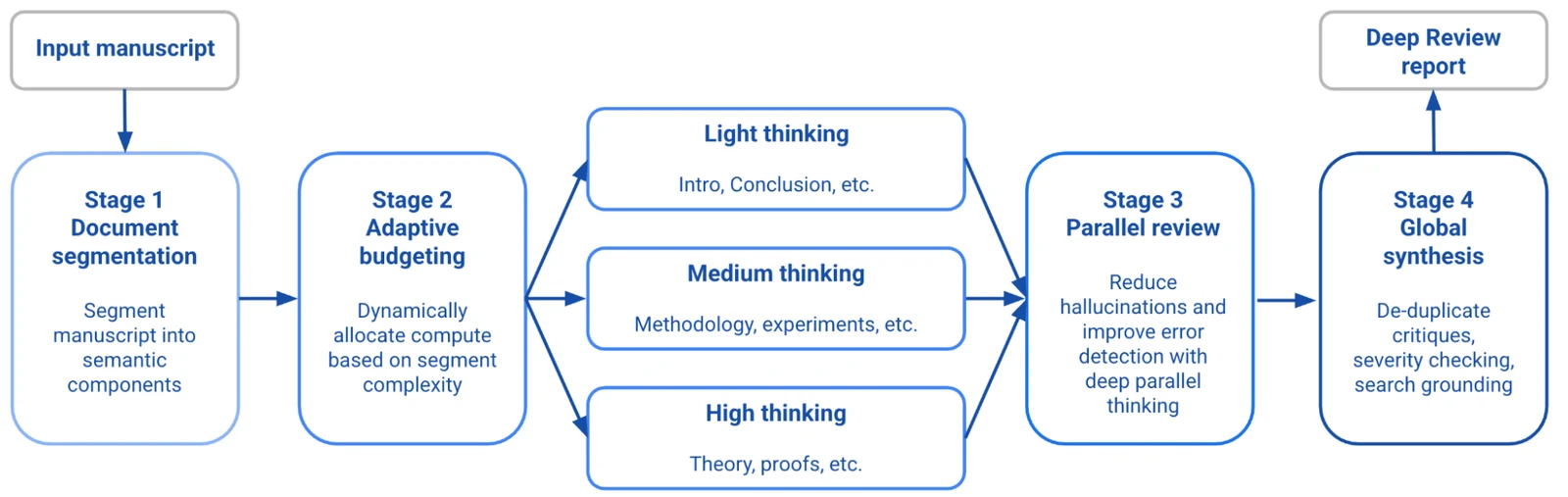
The public release expands an author feedback experiment into a document review tool, initially supporting PDF and plain text inputs.
The October 14 release puts responsiveness and support-call completion at the center of its pitch.
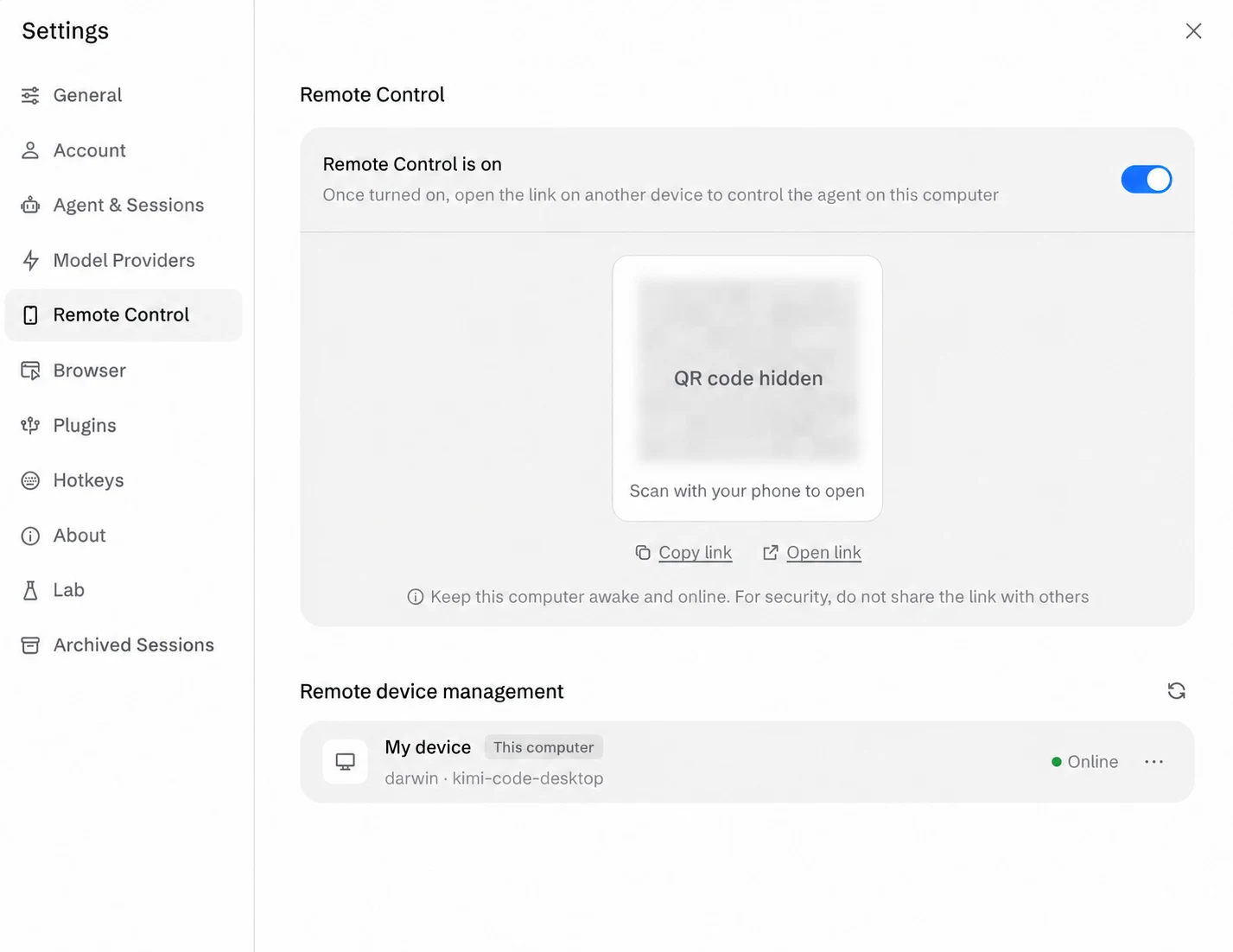
The October update lets users steer a local agent from another device while execution remains on the host computer.
The frontier model reaches developers and eligible paid Gemini users, with engineering and professional workflows central to Google’s pitch.
The specialized model targets legal work products, with API access by application and AutoClaw integration described as forthcoming.
The October plan combines AI and social products with a shared pool of Grok model usage.
The launch adds developer access while putting memory and sustained task execution at the center of Meta’s model pitch.
The October 9 update brings several ways to interact with the coding agent, with platform limits on Chrome integration.
The commitment supports Claude access, credits and technical assistance for projects in the federal Genesis Mission.
The initiative pairs a critical infrastructure program with a free scanner for open-source projects.
The Gemini at Work announcement connects persistent execution, organizational context and tool access in a shared agent architecture.
The company says banned accounts helped polish articles and internal reports, with distribution through real outlets among the tactics.
The research extends a conversion method beyond Olmo while giving researchers additional intermediate models.
The small model adds adjustable effort, with summaries, classification and coding subagent work among its intended uses.
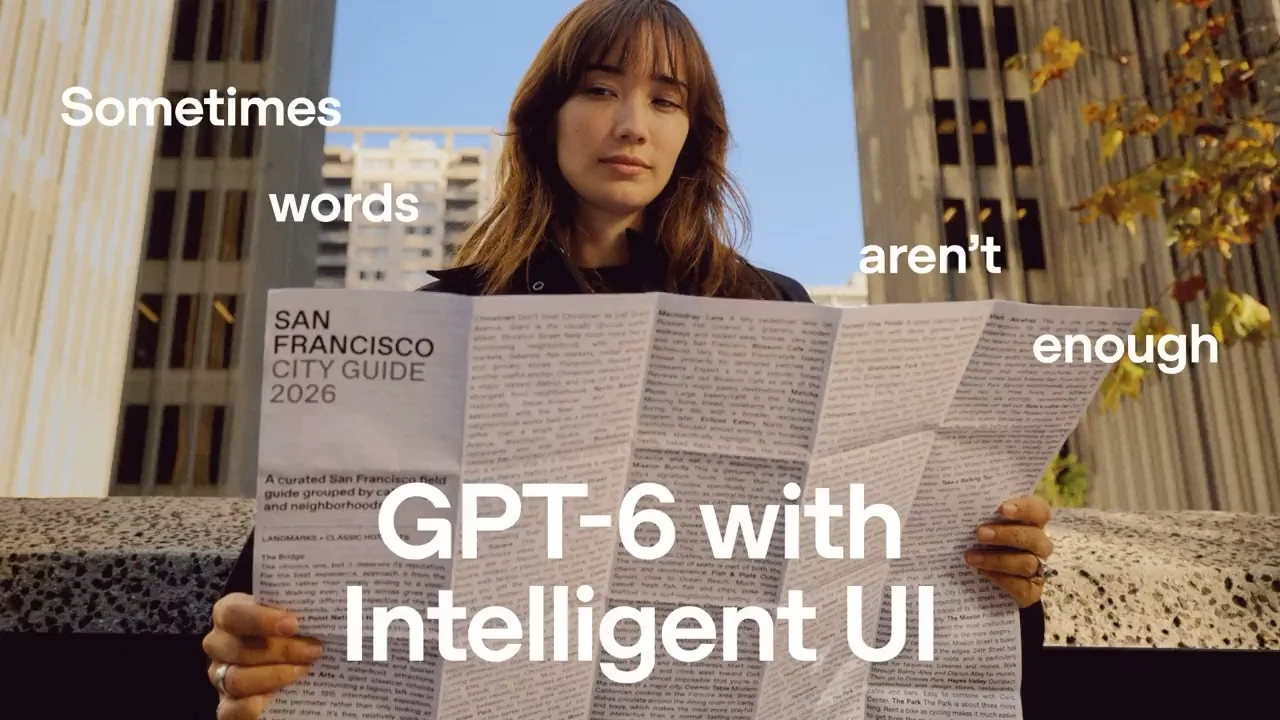
OpenAI is expanding its GPT-6 rollout with responses that can contain charts, forms and tools directly inside a conversation.
College Planner is being designed around requirements, deadlines and financial aid steps, with an initial focus on US high school students.
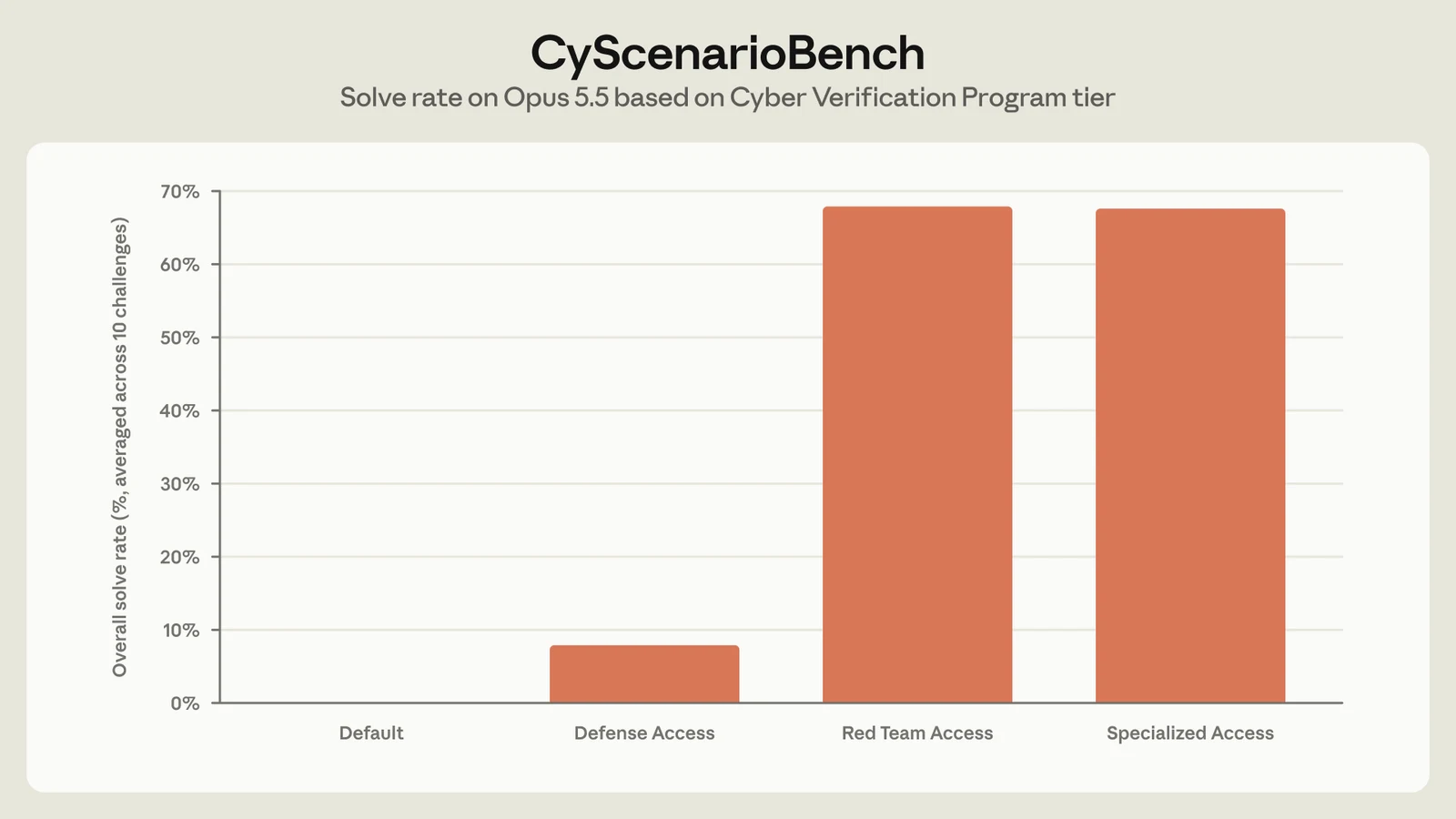
The revised program combines existing efforts and matches model access to the scope of authorized security work.
The agreement connects OpenAI models with Rovo and Atlassian’s organizational context, while deeper Jira integrations remain an area of exploration.
Five partner case studies examine location embeddings as inputs to existing epidemiological and statistical workflows.
The European lab opens an API preview while scheduling downloadable weights for later in October.
A GitHub release includes mathematical papers, formalizations and information about the process used to obtain the results.
North 2 combines workflow features with options for private and air-gapped deployment.
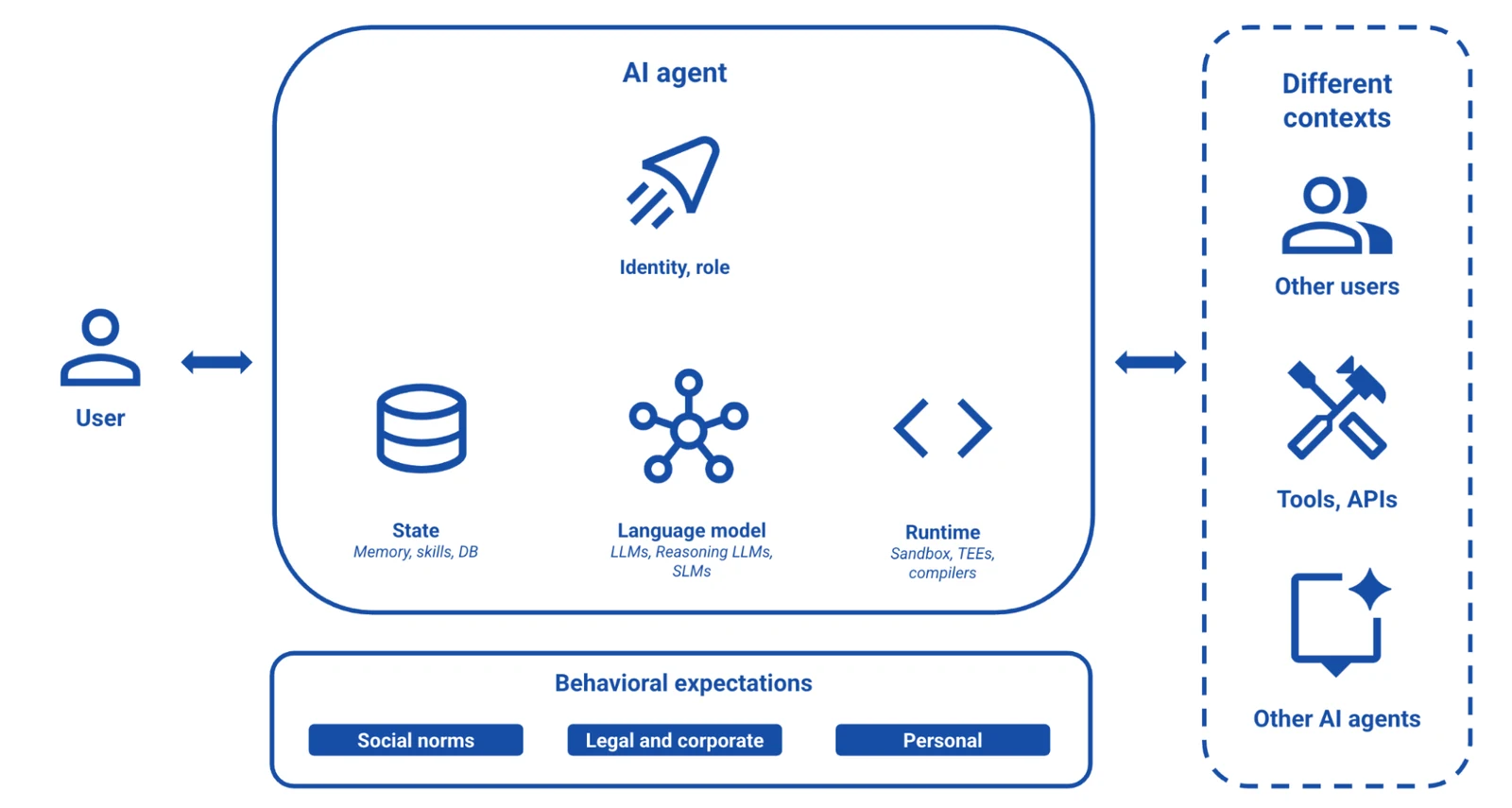
A workshop report examines appropriate information sharing and action boundaries across system, model and user layers.
An initial US test for Free and Go users is scheduled for later in October, alongside expanded advertiser measurement tools.
The release includes weights and training data, with a clear warning about the age of its evaluation comparisons.
Claude Frontier Academy aims for 10,000 trained engineers by the end of 2027, starting with nominated enterprise cohorts.
The new guide centers model selection, reusable context, clear task boundaries and measurement of completed work.
The announced rollout builds on a knowledge assistant and email processing workflows already described by the companies.
The satellite mission is an early research step examining how TPUs handle launch stress and the environment in space.
Two tiers share an embedding space, allowing different query choices without rebuilding the same index.
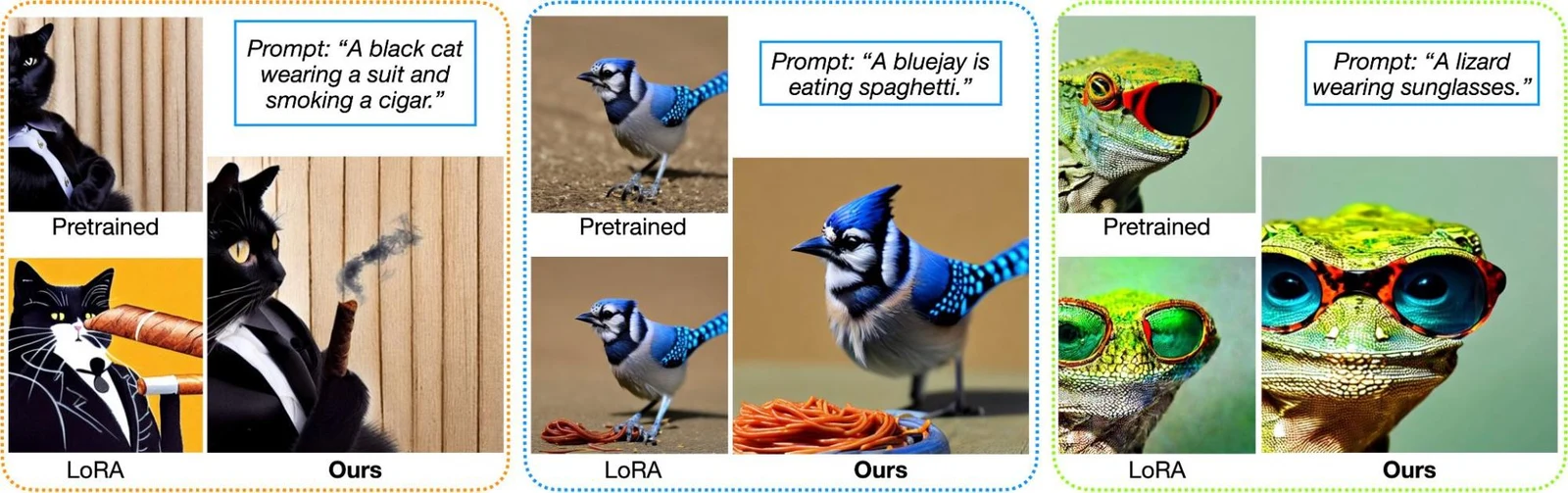
30 Sept 2026 · 2 MIN READDiffusion Controller adds a lightweight steering network to balance target alignment with the quality of the base model’s output.
29 Sept 2026 · 2 MIN READMeta connects its personal agent to business tools and makes owner approval a central part of external actions.
29 Sept 2026 · 2 MIN READThe rollout brings persistent task execution and connected apps to eligible plans, with separate enterprise specialist pilots.
29 Sept 2026 · 2 MIN READThe model targets coding, computer use and professional tasks, with standard API token prices below Astra’s.
29 Sept 2026 · 2 MIN READA new business pillar brings models, agents, developer tools, and enterprise leadership under one initiative.
28 Sept 2026 · 2 MIN READAnthropic describes gains in well-defined coding and document tasks, while retaining Opus for work needing sustained judgment.
28 Sept 2026 · 2 MIN READThe September launch brings shared skills, application connections and memory to a role-based bot.
28 Sept 2026 · 1 MIN READThe work combines planning, state tracking and visual refinement to reduce character drift across generated shots.
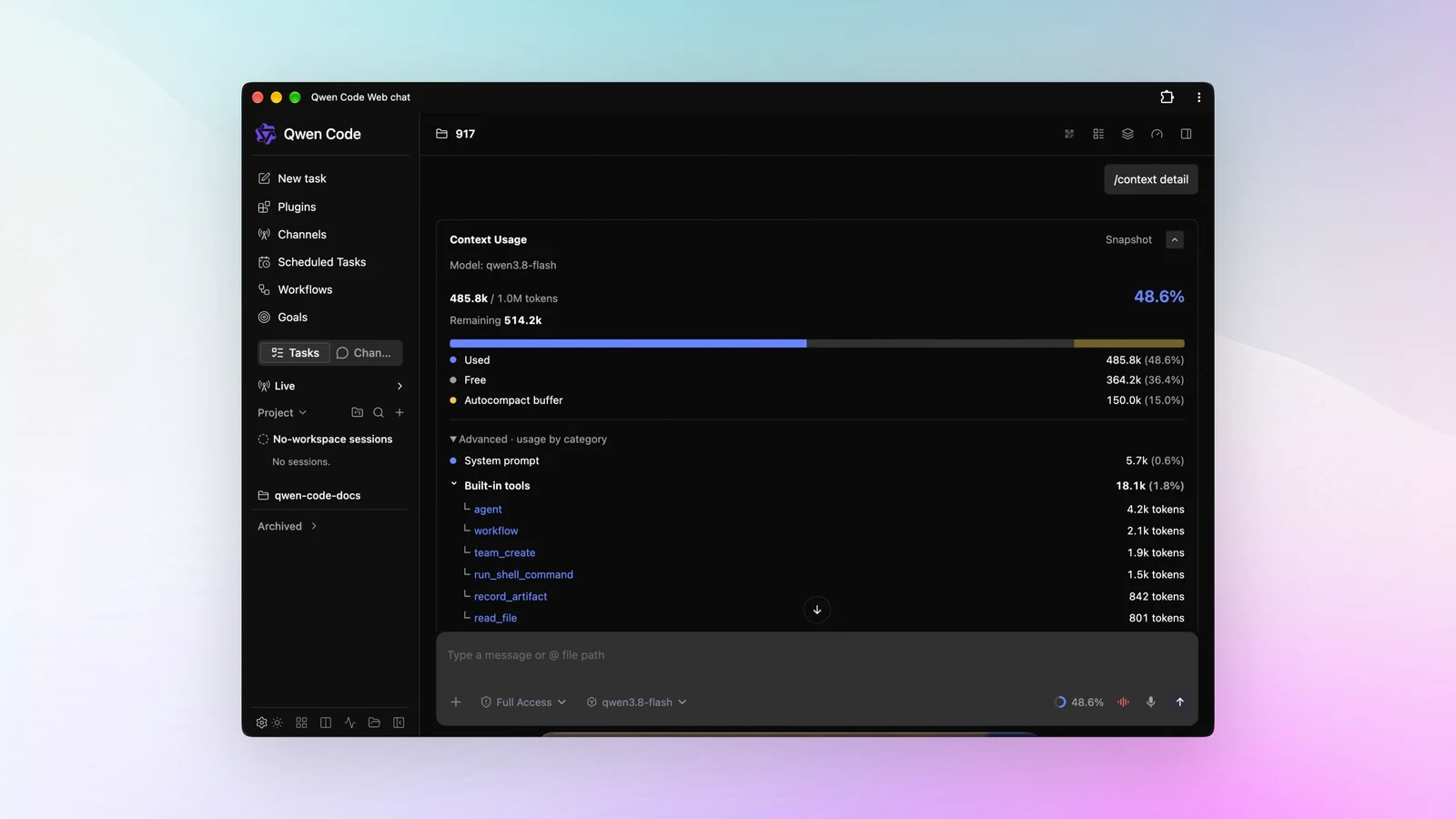
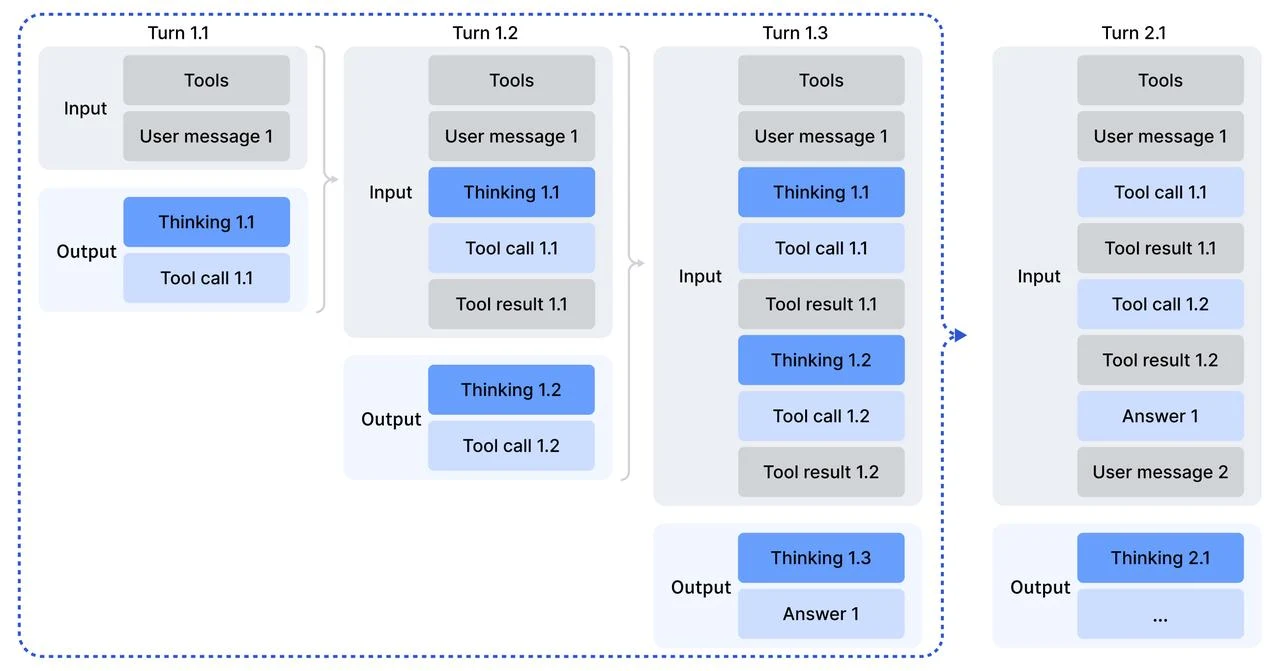
24 Sept 2026 · 2 MIN READThe September 24 roundup adds file-level context accounting, remote workspaces and selective retries.
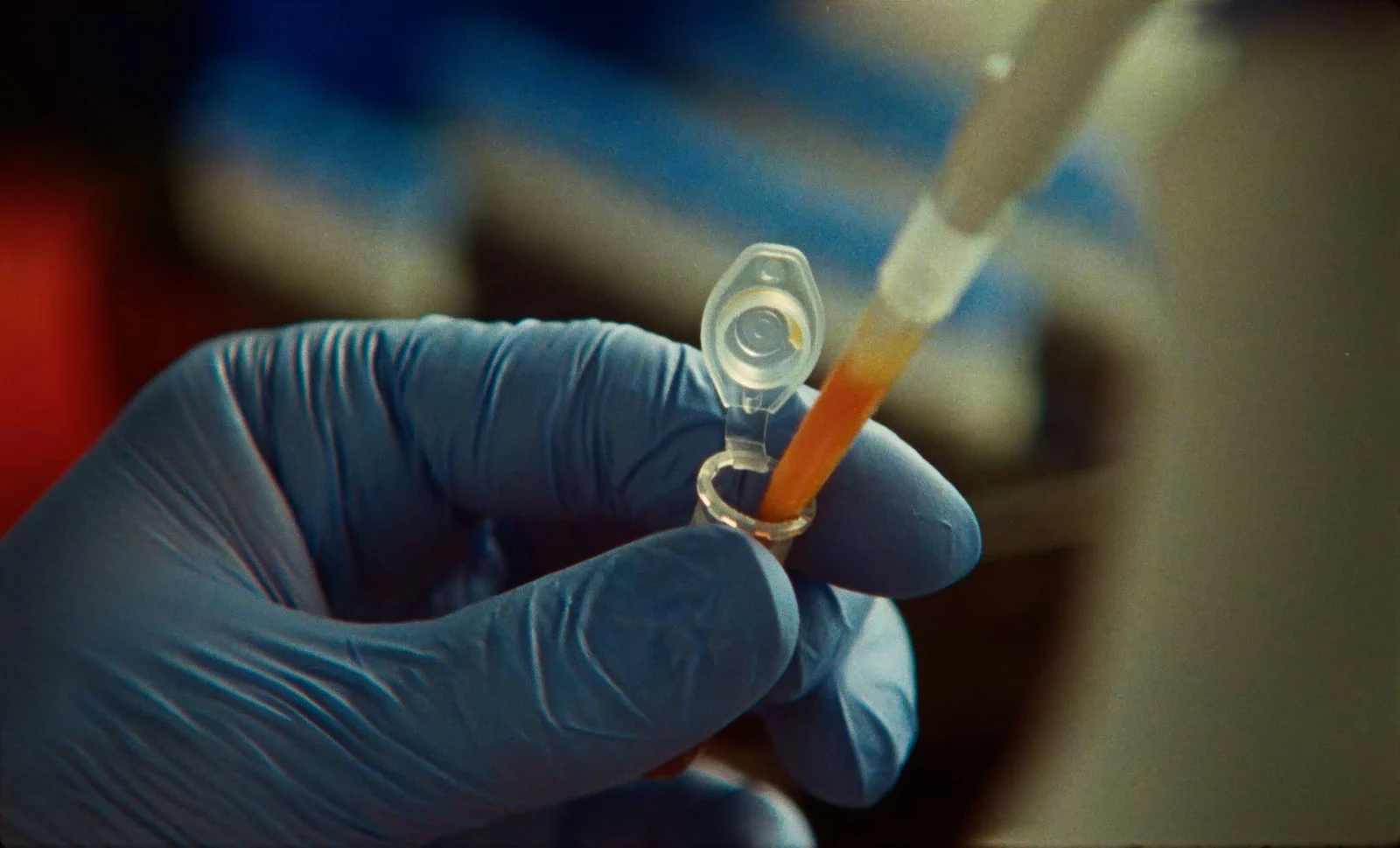
24 Sept 2026 · 1 MIN READThe early biology result concerns array-associated reverse transcriptases; their primary function remains under investigation.
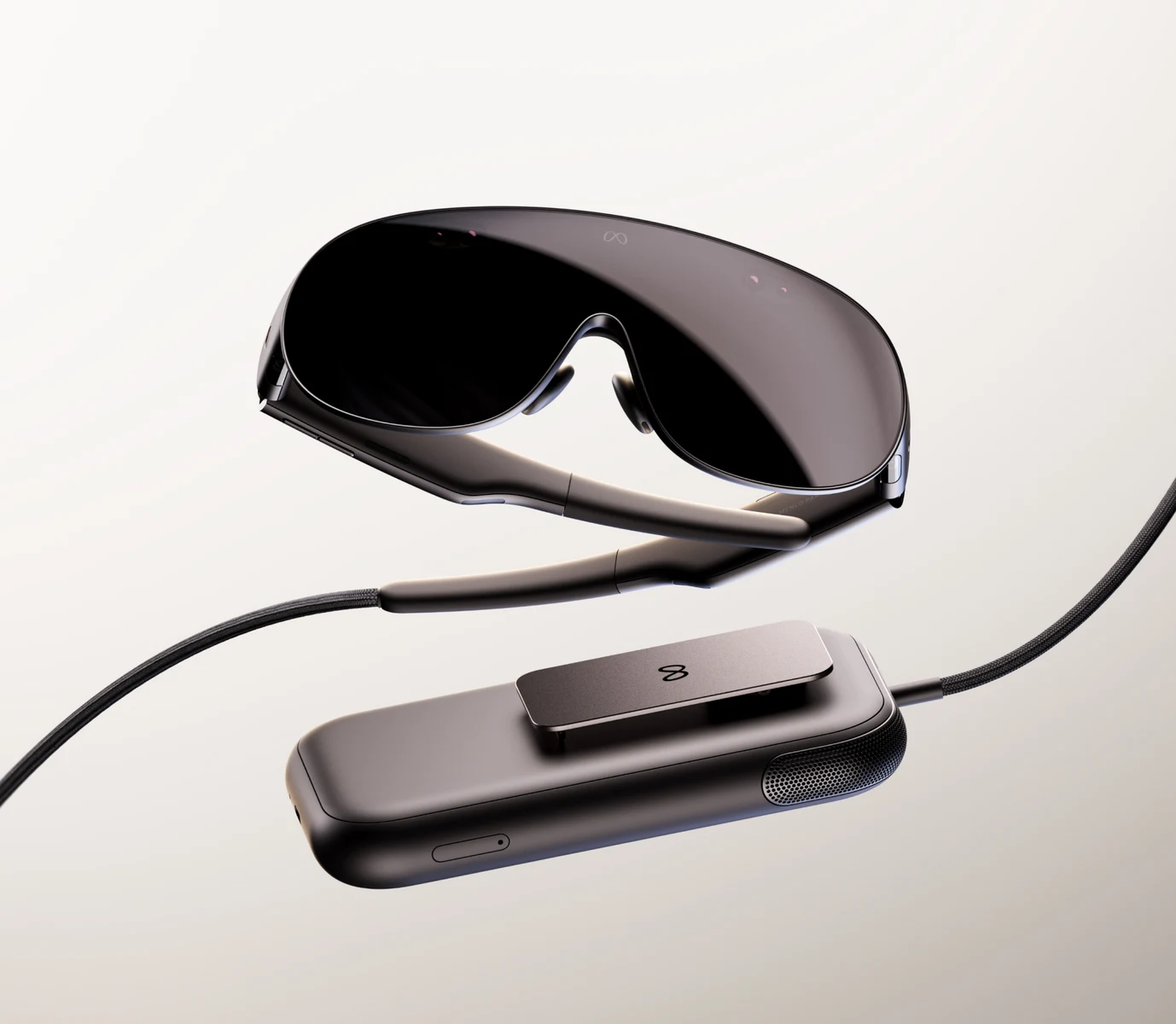
23 Sept 2026 · 2 MIN READA separate computing puck supports a glasses-shaped virtual workspace and voice-driven controls.
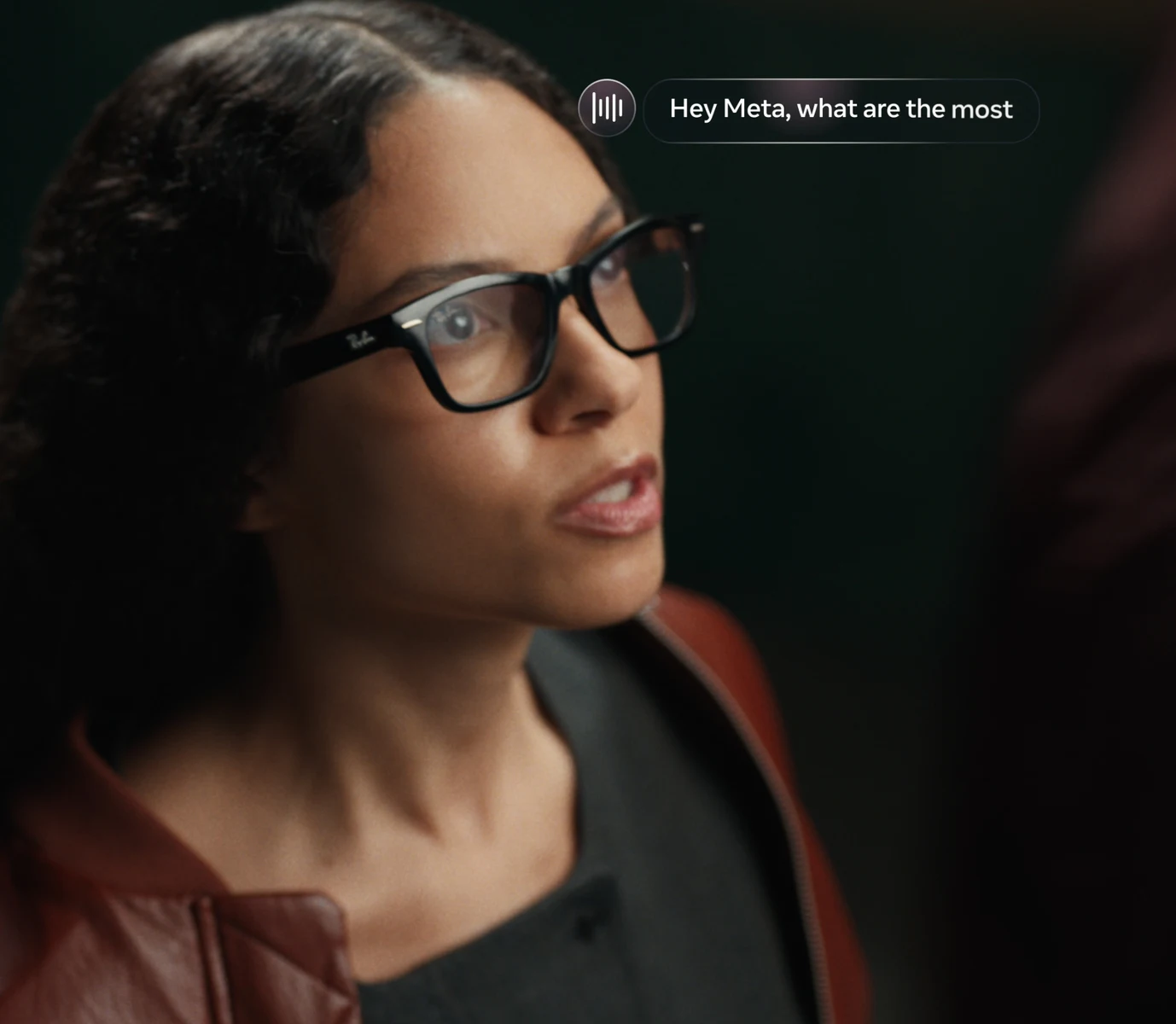
23 Sept 2026 · 1 MIN READThe Connect update combines more hands-free directions with a phased international expansion.
23 Sept 2026 · 1 MIN READMeta’s first audio glasses arrive alongside a broader expansion of its wearable lineup.
23 Sept 2026 · 1 MIN READThe first Claude 5.5 release targets complex work and includes new behavioral evaluations and safeguards.
22 Sept 2026 · 2 MIN READA September report describes moving from internal notes to direct customer responses after review and tracing.
22 Sept 2026 · 2 MIN READThe September model release pairs a larger base model with a longer reinforcement-learning run.
21 Sept 2026 · 1 MIN READThe September open release uses a seven-billion-parameter visual generation component and accepts multiple references.
20 Sept 2026 · 1 MIN READThe September speech-to-text release keeps the prior pricing and adds an updated accuracy claim.
18 Sept 2026 · 1 MIN READThe September announcement describes a million-token multimodal model and a runtime for real-time interaction.
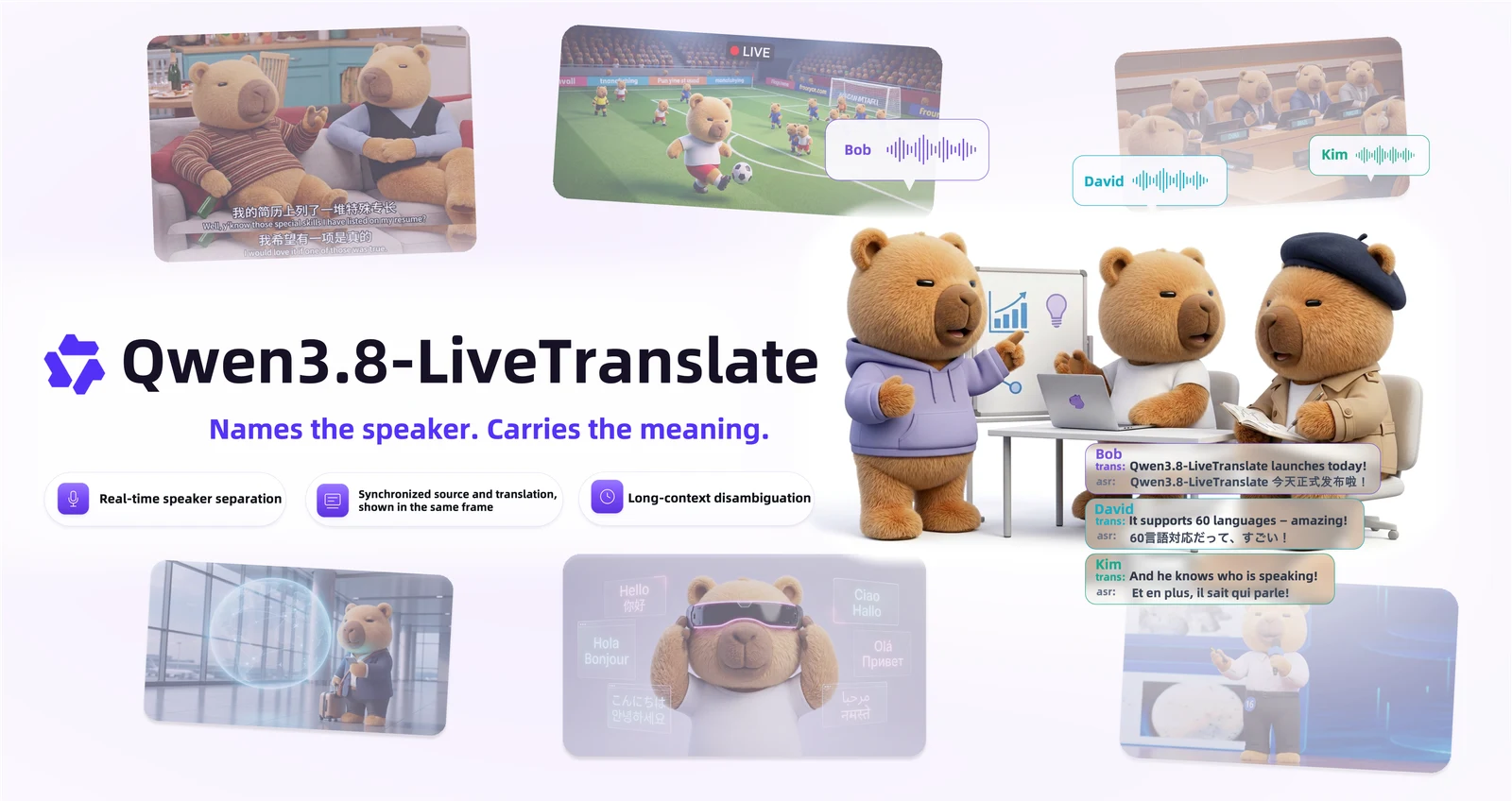
18 Sept 2026 · 2 MIN READThe September model update combines bilingual text, context and translated speech in a streaming workflow.
18 Sept 2026 · 1 MIN READThe September 17 release connects Claude Code and Codex while adding workflow caps, time limits and live web previews.
17 Sept 2026 · 1 MIN READThe Canadian startup combines a palm camera with DINOv2 and optional AI-glasses context.
16 Sept 2026 · 1 MIN READProject notes capture conventions and decisions, while current instructions retain precedence.
16 Sept 2026 · 1 MIN READThe Mozilla partnership ties browser assistance to regional rollout plans and a stated zero-retention commitment.
16 Sept 2026 · 1 MIN READThe new Live models support background tool calls while a conversation continues, with a separate option for deeper reasoning.
15 Sept 2026 · 2 MIN READThe new service groups individual, creator, and business plans while Meta says core app access stays free.
15 Sept 2026 · 2 MIN READThe September release changes the architecture and API model name, while a later notice preserves access to V4-Pro.
10 Sept 2026 · 1 MIN READThe September 10 update makes agent runs inspectable and lets named group-chat tasks use separate workspaces.
10 Sept 2026 · 1 MIN READThe company pairs a dedicated virtual machine with approval checkpoints for consequential actions.
A September case study connects contracts, spending and usage data while leaving final decisions with an operator.
The September rollout adds access, network and audit controls for organizations managing several agents.
The September release combines broader task execution with new deployment monitoring, according to OpenAI’s launch and safety pages.
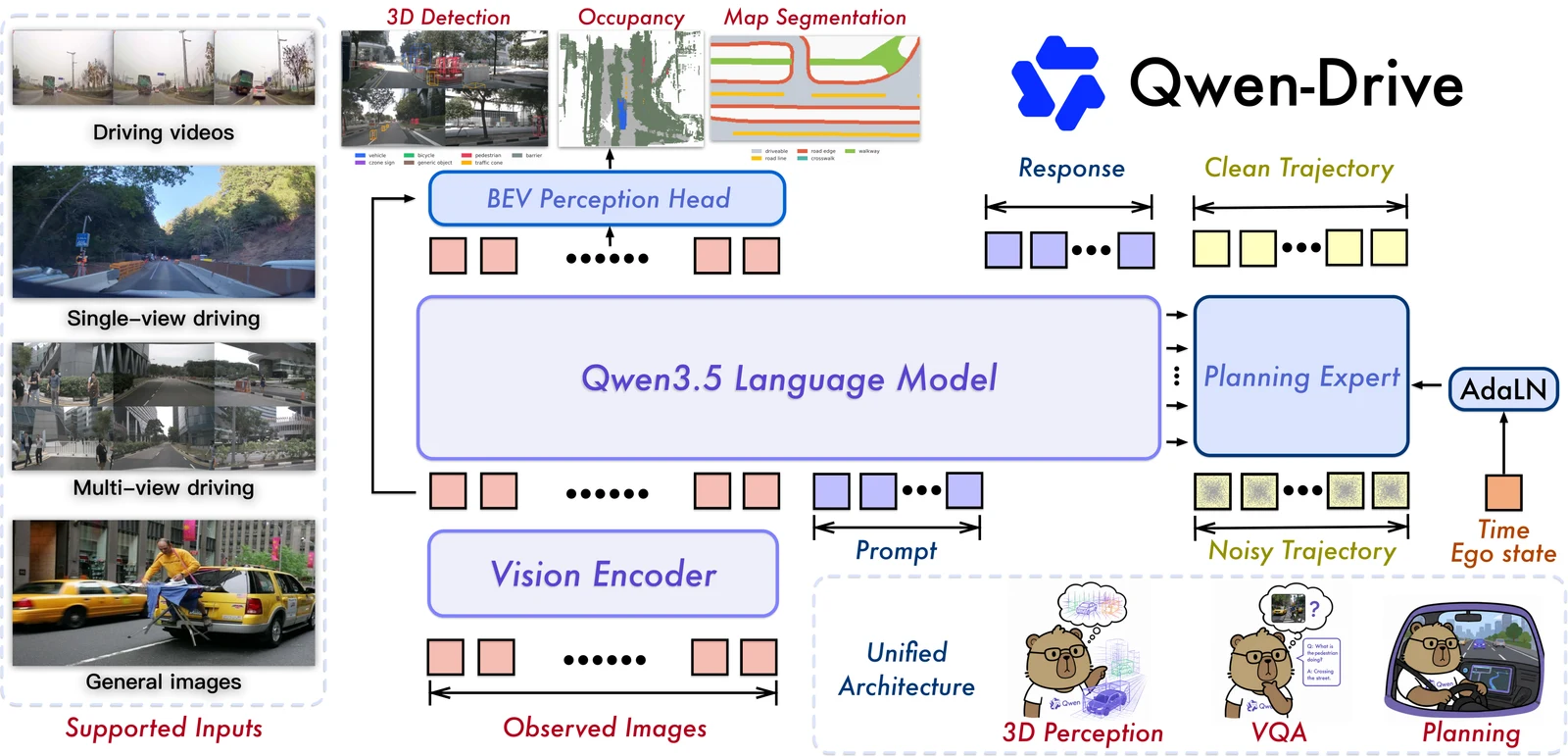
The September research adds perception and planning modules to a general vision-language backbone.
The September report describes tests that weigh routine research usefulness alongside refusals of hazardous tasks.
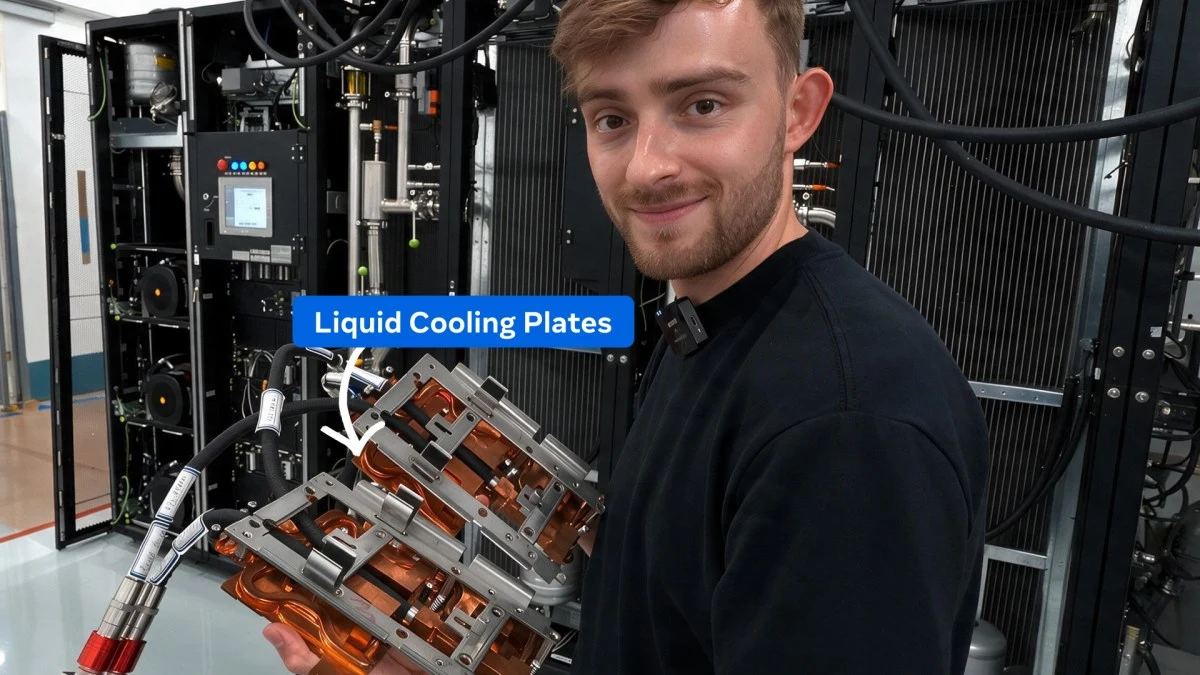
A company-published engineering account shows how recirculating coolant moves heat away from GPU servers.
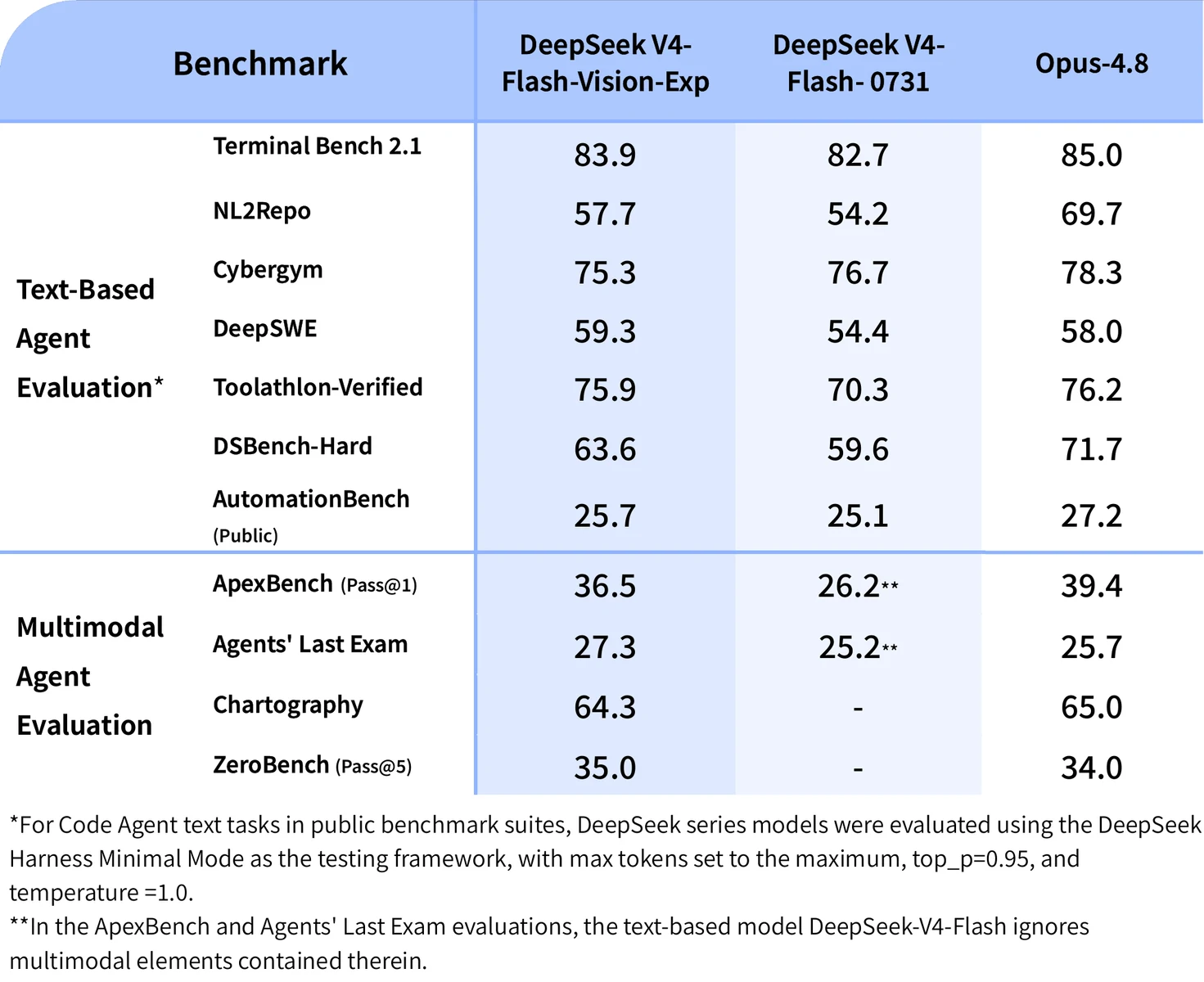
V4-Flash-Vision-Exp brought mixed text and image requests to the API in August; the model has since been superseded.
The August release added reasoning controls and native Responses support, alongside a new peak and off-peak pricing structure.
The model combines structured musical descriptions with a redesigned generation and audio-rendering pipeline.
The August announcement scales the flagship to 2.4 trillion total parameters and promises open weights.
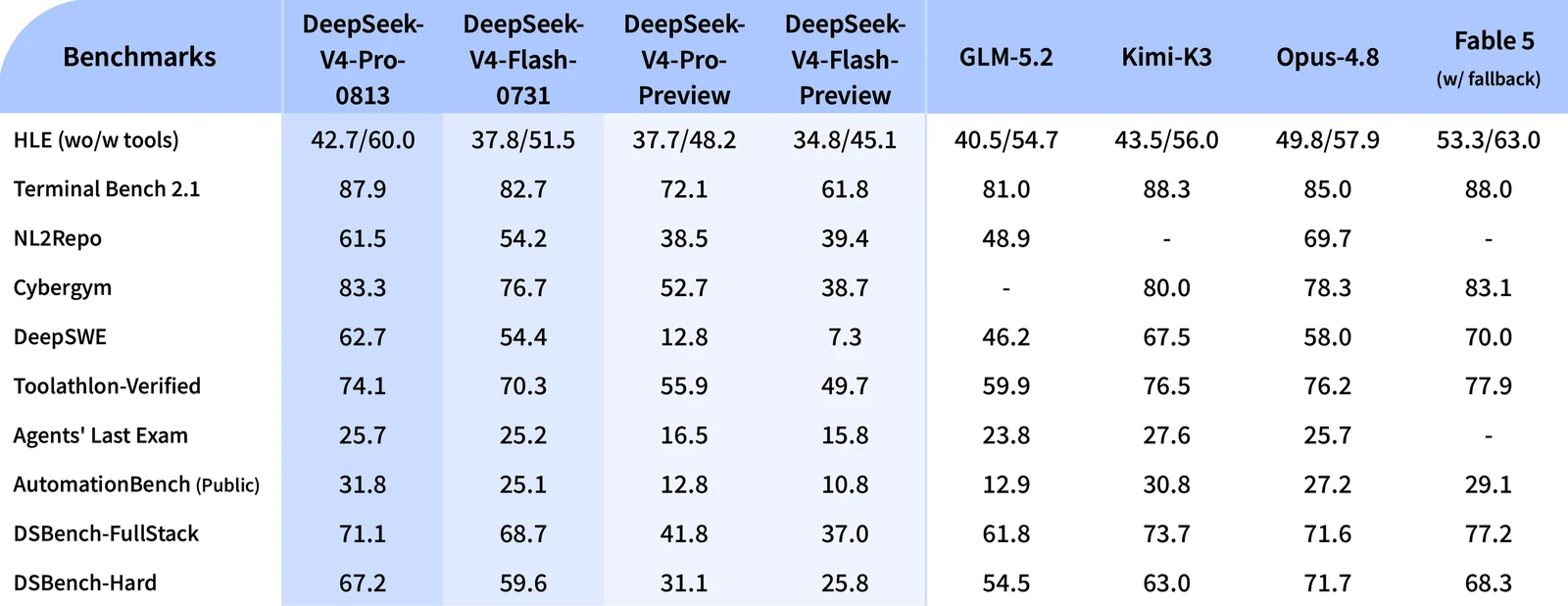
A new post-training run reached the V4-Flash API without changing the model’s size or architecture.
The July release targets information-heavy images such as newspapers, storyboards and illustrated documents.
The April release introduced Pro and Flash variants, open weights and updated API model names.
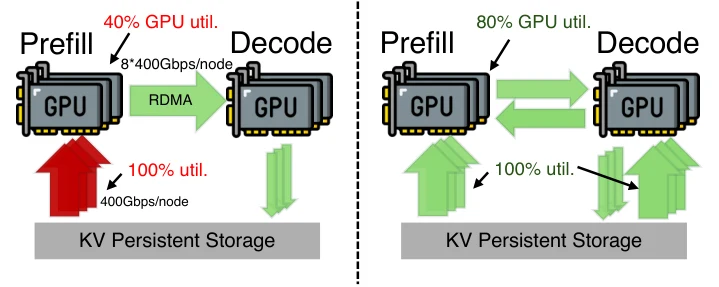
The DeepSeek-listed systems paper adds a second route for loading cached context during multi-turn inference.
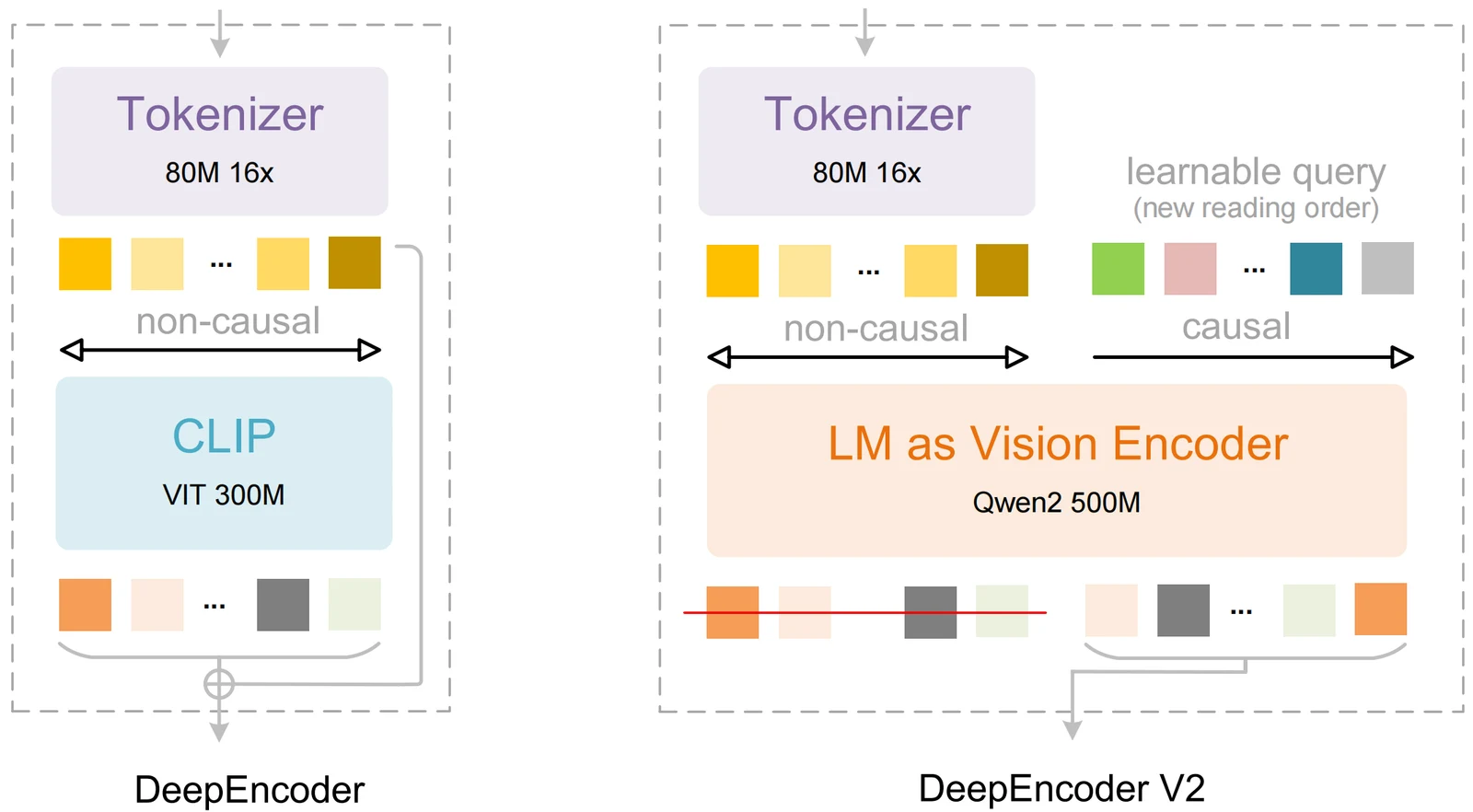
The January research replaces a rigid visual scan with token ordering guided by image meaning.
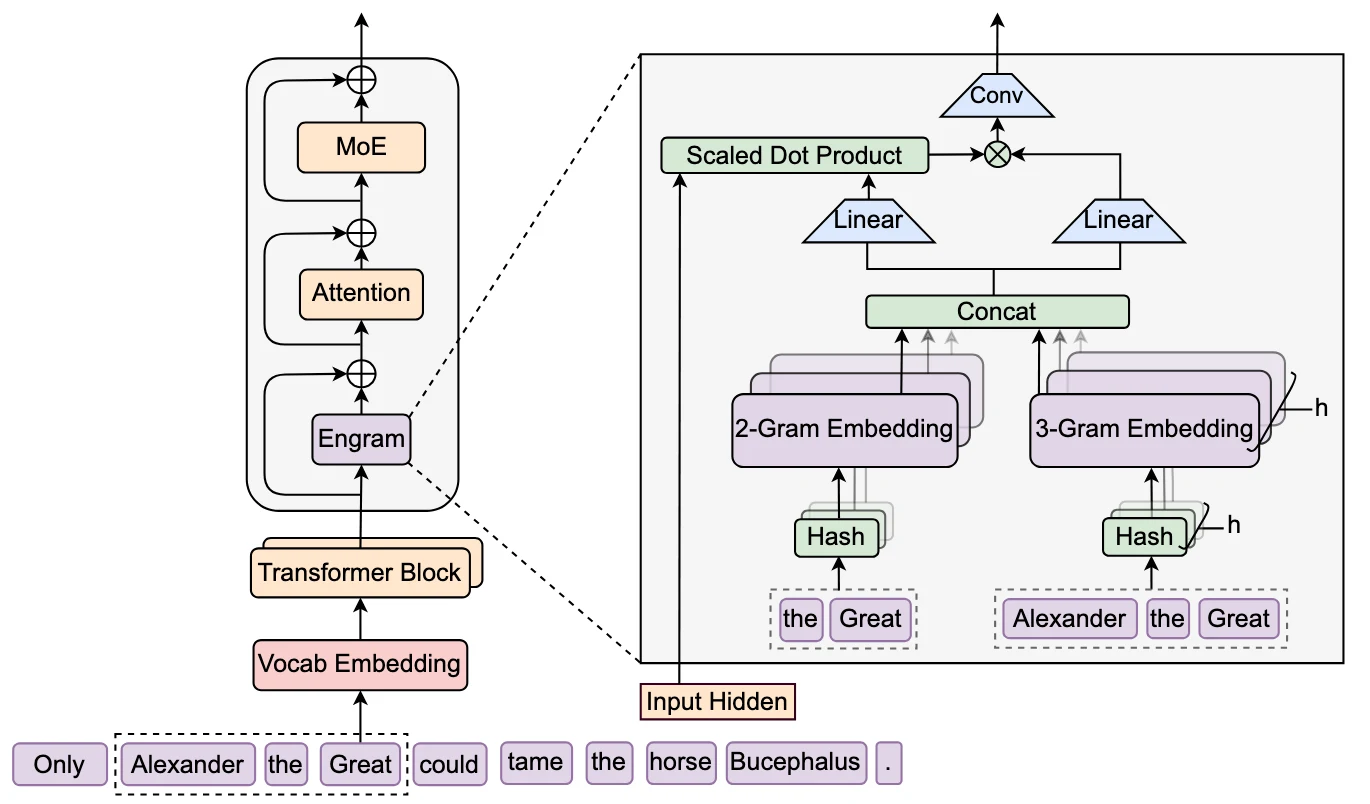
A January paper investigates how static memory and neural computation can share a model’s capacity.
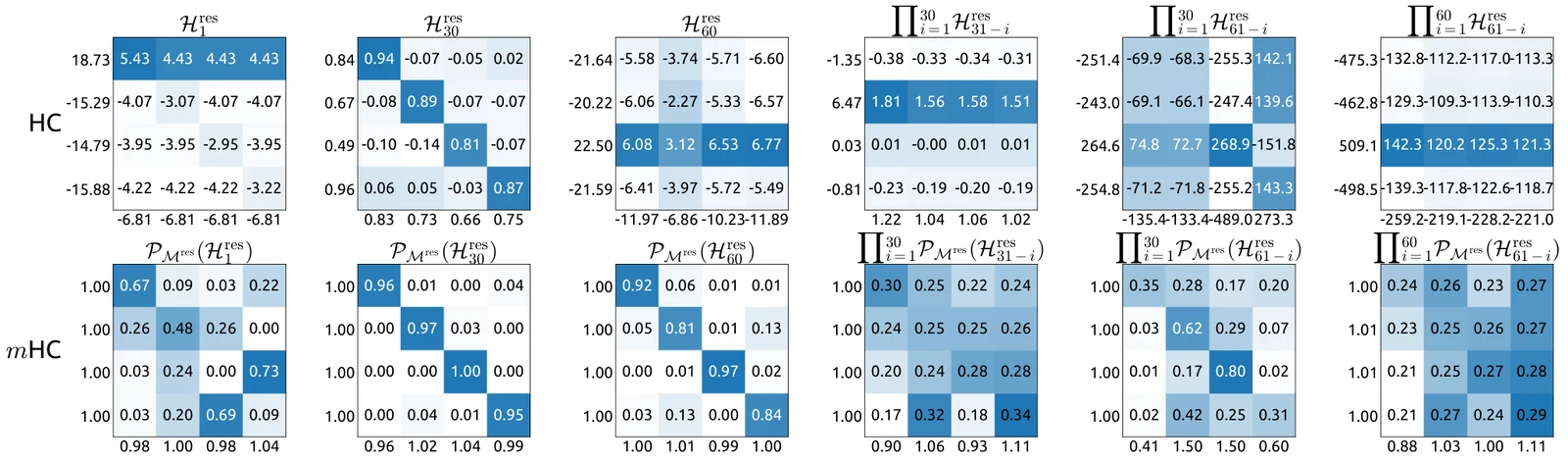
The year-end research proposes constraints intended to keep expanded residual connections stable at scale.
The December release paired a general model with a separate high-compute research variant.