Meta explains the closed-loop cooling behind its AI hardware
A company-published engineering account shows how recirculating coolant moves heat away from GPU servers.
THE STORY IN THREE POINTS
- Meta published the engineering explainer on August 27.
- It describes recirculating a water-and-glycol coolant.
- The article is an infrastructure explanation, not a new model launch.
The published account
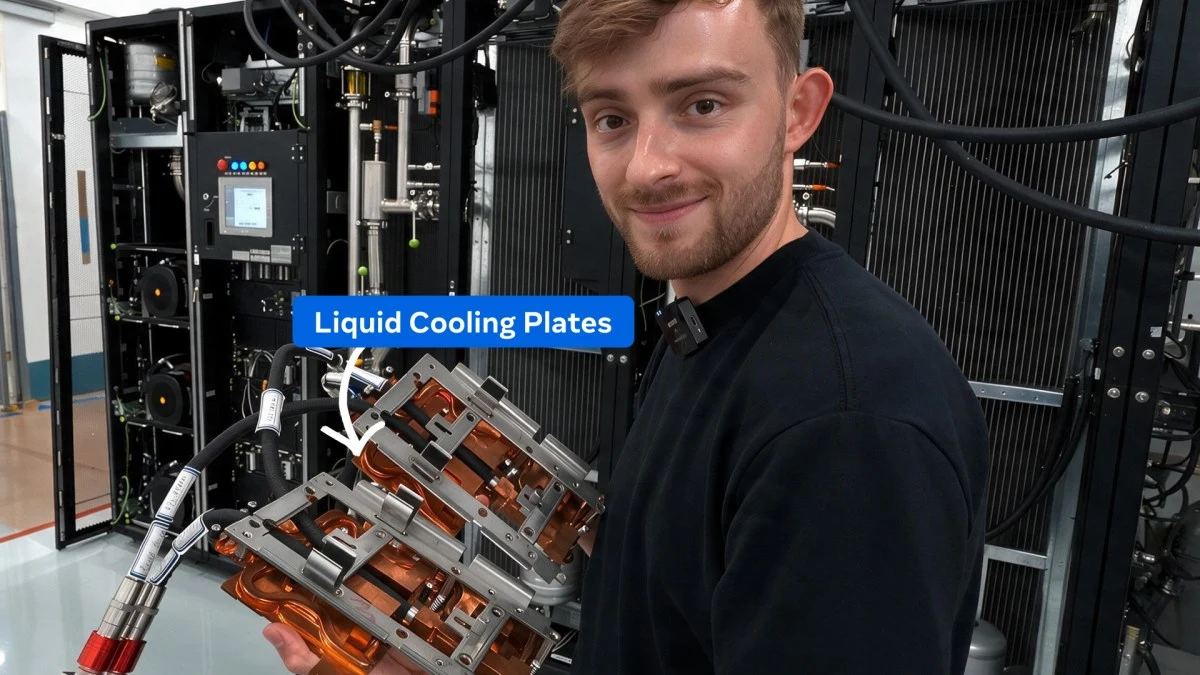
Meta published an engineering explainer on August 27 describing closed-loop liquid cooling at its AI infrastructure. The account explains how a water-and-glycol mixture carries heat away from server hardware, passes through heat exchangers, and returns through a sealed loop. This is coverage of that dated technical account, rather than an announcement of a new model.
The details that matter
The company says most of its newest AI-optimized data centers use closed-loop liquid cooling and that coolant can remain in use for years. Those statements describe Meta’s design choices; they are not an independent audit of total water or energy consumption across its facilities.
Editorial context
Infrastructure discussions are more useful when they specify the boundary being measured. Water circulating inside a cooling loop is one question; electricity use, local heat rejection, and a facility’s wider resource demand are others. A reader comparing projects could ask for the same system boundary and reporting period in each case. Our editorial point is that a concrete plumbing description helps explain the engineering, while broader environmental claims require their own evidence. The design account should therefore prompt more precise questions about a particular site and operating conditions.
Sources: Meta: Closed-Loop Cooling Explained: The Plumbing Behind Meta’s AI ↗