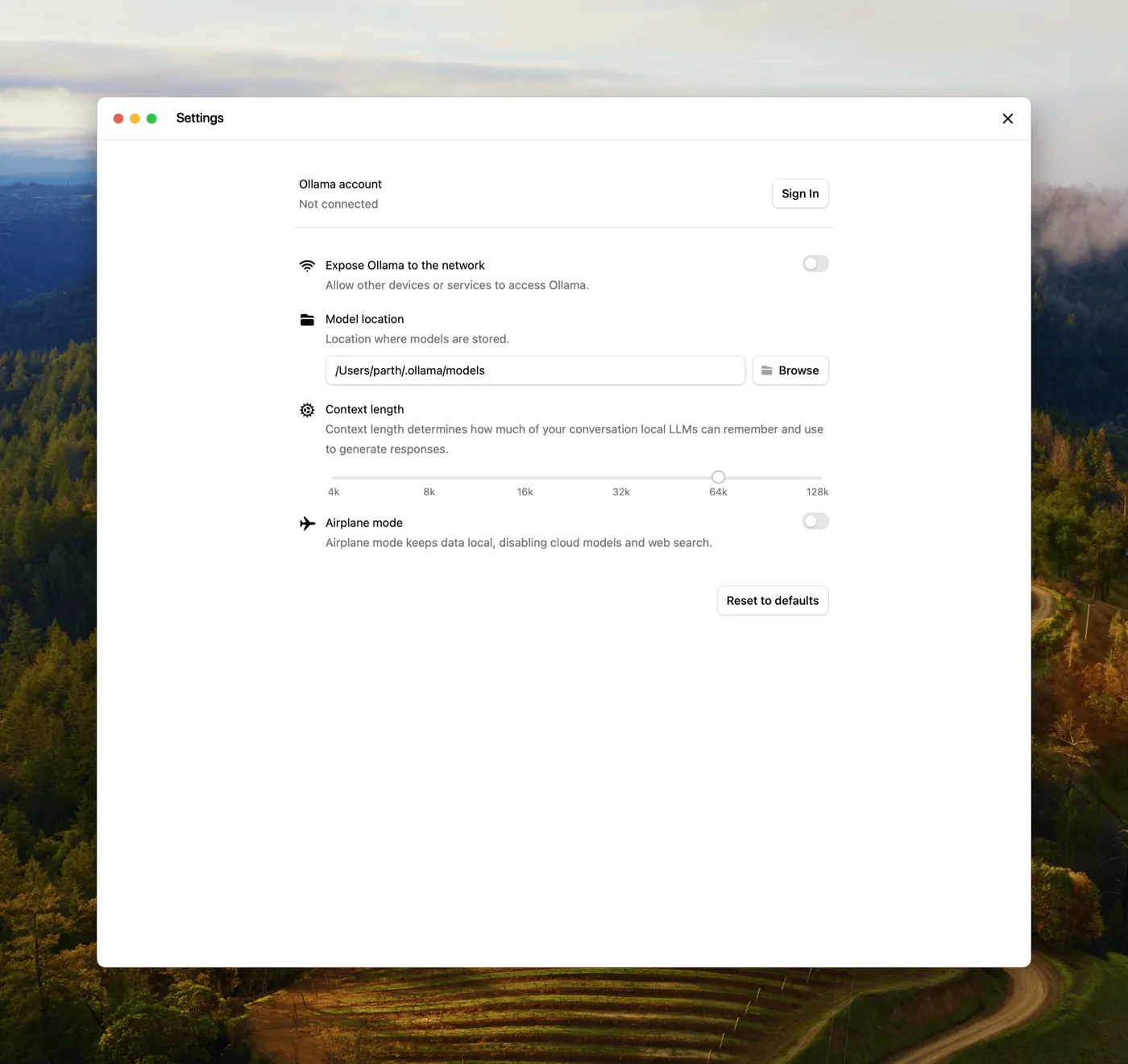
Ollama silently locks context at 4,096 tokens on machines under 24 GiB VRAM—and setting OLLAMA_NUM_CTX or passing num_ctx to /v1/chat/completions does nothing. Here is the OLLAMA_CONTEXT_LENGTH fix and how to verify it with ollama ps.

Anthropic has deprecated npm install for Claude Code in favor of standalone native installers—yet native Windows lacks OS command sandboxing. Here is when to choose PowerShell vs. WSL2, exact setup commands, and fixes for PATH and Git Bash errors.
ComfyUI’s 2026 DynamicVRAM and AIMDO allocator made pre-March --lowvram flags useless—introducing second-run non-OOM crashes, WSL Shared GPU memory locks, and HostBuffer errors. Here is the symptom-by-symptom CLI and BatchPipe fix.
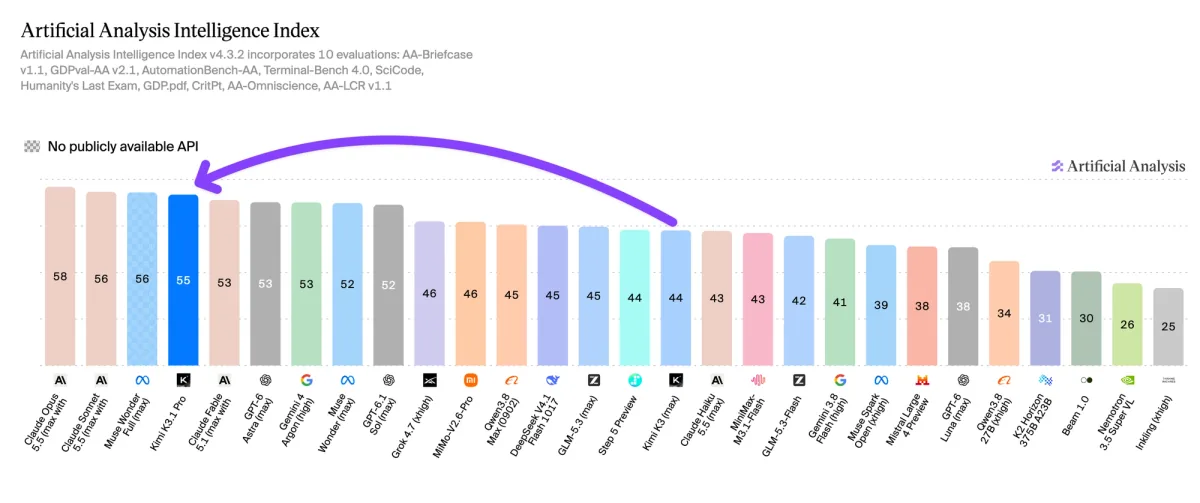
Following Moonshot AI’s November 4 open-weight drop, independent scores confirm Kimi K3.1 Pro leads open-weight models at 46 on the AA Intelligence Index v5.0.1 and jumps to 67% on Terminal-Bench 4.0—yet its 1.56 TB MXFP4/BF16 shards and $20M MaaS license gate require careful planning.
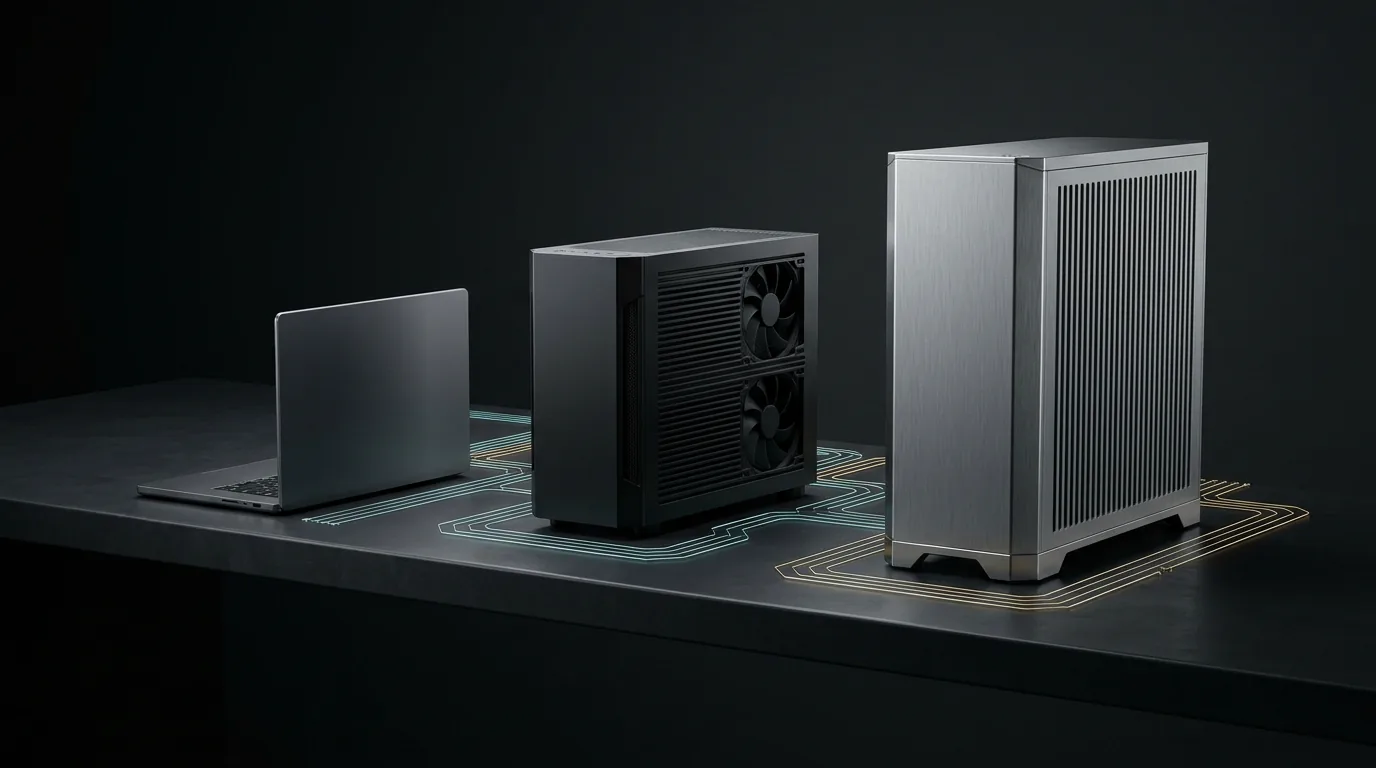
Autocomplete-only models crash inside Cline, Aider, and OpenCode. Filtering strictly for native Ollama tool calling and permissive open weights yields clear November 2026 picks across 16GB, 24GB/32GB, and 64GB+ workstations.

Speculative decoding accelerates LLM generation without changing output quality by letting a fast drafter guess K tokens and having the target model verify them in parallel—now mature in llama.cpp 1.0’s NextN llama.h API and vLLM’s DFlash2.
OpenClaw passed 361K+ GitHub stars—and Bitsight spotted over 30,000 exposed instances probing port 18789. Here is how security-first open replacements like Hermes Agent, NanoClaw, NullClaw, and OpenFang compare against managed sandboxes like Claude Duet and Manus.
Outdated Copilot alternative lists still spotlight simple inline autocomplete plug-ins. Late-2026 replacements split across AI-native IDEs, #1-ranked CLI agents, and BYOK Apache-2.0 or MIT stacks like Continue, Kilo Code, OpenCode, Aider, Tabby, and Qwen Code.
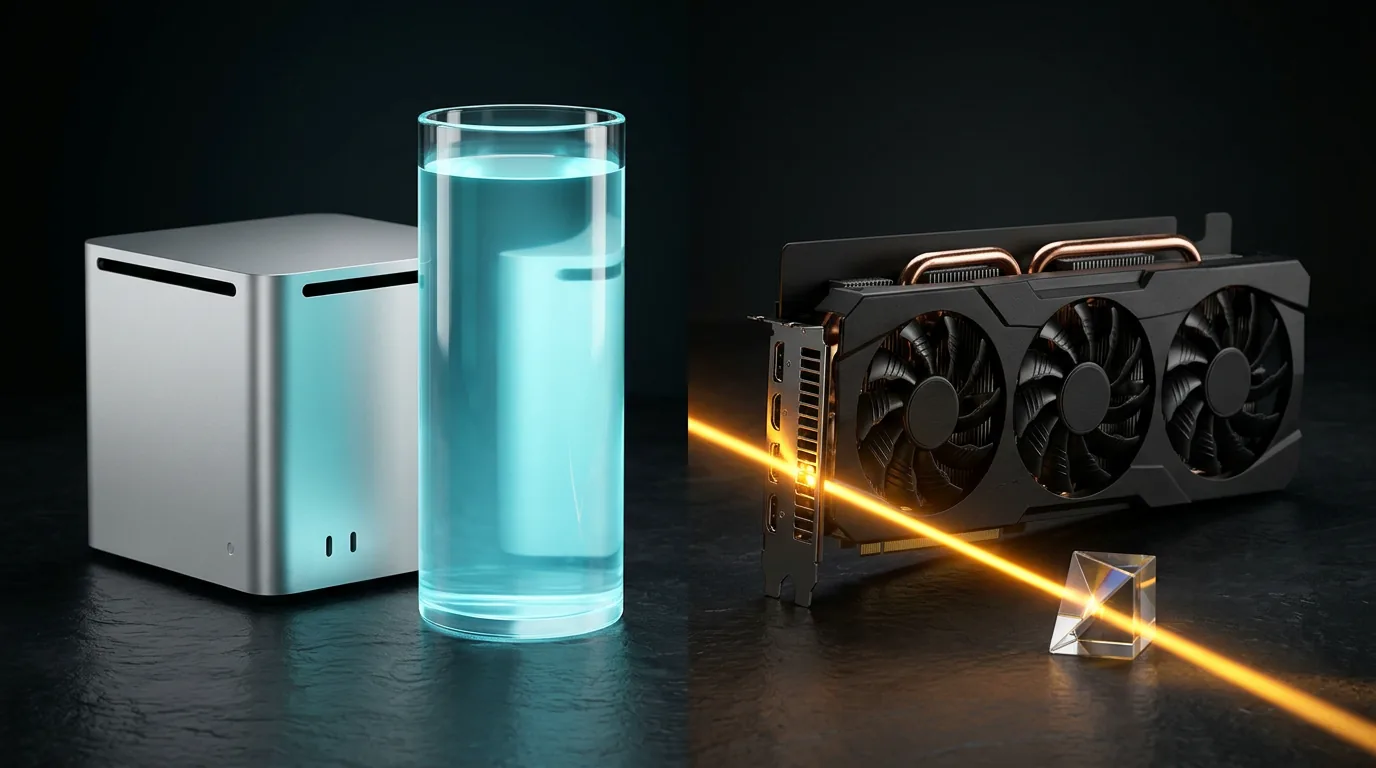
At ~$5,000 workstation budgets, the RTX 5090 runs models under 32 GB ~1.8x faster on prompts and 23%–28% faster on generation—until 70B+ checkpoints spill over PCIe down to 1.5–4.6 tok/s, where M5 Ultra Mac Studio’s 96–512 GB unified memory wins cleanly.
Academic testing shows prompt caching cuts agent API costs 41%–80% and TTFT latency 13%–31%—but GPT-6.2 appends top-level instructions after input, quietly busting caches unless you reorder payloads cleanly and configure Claude’s dual TTL breakpoints.

Both Aider and Claude Code live inside the terminal—yet one treats Git commits as its core contract with any cloud or local model, while the other ships hooks, MCP, and parallel subagents tuned strictly for Anthropic’s top-ranked Claude checkpoints.

Ninety percent of developers now use AI tools at work, yet 46% distrust output accuracy and 76% avoid autonomous deploys. Rather than one winner, late-2026 stacks split across four tiers: AI-native IDEs, enterprise completions, #1 CLI agents, and local open-source stacks.