Meta Puts a Face on Muse: Real-Time Voice Avatar Specs, US-Only Tiers, and Vision Limits
Meta’s 448x768 25fps animated avatar brings expressive vocal interaction to Muse, while background business calling operates without real-time computer vision.

THE STORY IN THREE POINTS
- Meta Muse’s animated avatar streams at 448x768 resolution at 25 frames per second with an average 870ms time-to-first-frame latency, rolled out exclusively to United States subscribers on $20 and $100 tiers.
- The visual avatar is audio-driven from speech tokens; the agent does not possess real-time computer vision into the user’s physical environment during calls.
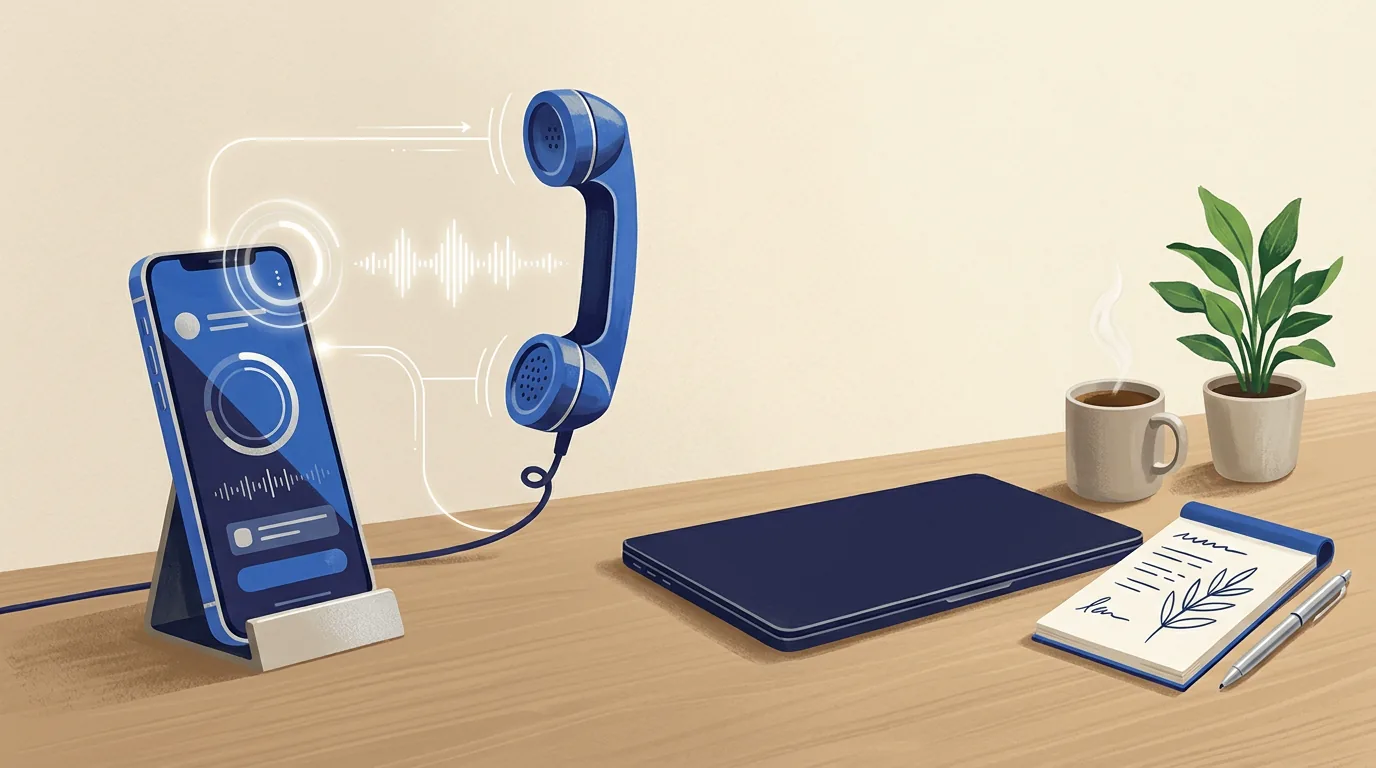
- Voice avatar interactions connect directly with Muse’s asynchronous agent infrastructure, allowing users to talk verbally to dispatch background business telephone calls and reservations.
Technical specifications, rendering latency and regional availability
Meta expanded its autonomous personal assistant platform, Muse, by introducing a live interactive visual persona designed for expressive, low-latency dialogue. The synthetic avatar renders at a native 448x768 portrait resolution at 25 frames per second, achieving a median first-frame rendering latency of 870 milliseconds across modern broadband connections.
Access to the real-time avatar is currently restricted to United States subscribers holding active $20/month Plus or $100/month Pro memberships. Cross-platform support spans the official Meta AI web portal, mobile applications for iOS and Android, and a dedicated macOS desktop client, while free accounts remain limited to standard text interaction.
An audio-driven face without real-time environmental vision
Media coverage referring to Muse’s new capability as "video chat" created widespread confusion regarding whether the agent can perceive its surroundings. Meta’s architectural documentation confirms that the video stream is strictly unidirectional: the avatar’s facial gestures, micro-expressions, and lip synchronization are synthesized dynamically from the foundation model’s audio tokens.
The assistant does not activate the user’s webcam or analyze real-time video feeds during avatar calls. While Muse can process static photos uploaded to the conversation thread, its visual avatar functions purely as an expressive anthropomorphic interface rather than an active computer vision sensor.
Connecting conversational voice with autonomous background execution
The primary architectural advancement of Muse’s avatar lies in its integration with Meta’s asynchronous task execution pipeline. Rather than serving purely as a conversational chatbot, users can converse naturally with the avatar to delegate complex operational tasks, such as calling local automotive repair shops or securing restaurant reservations.
Once a task is assigned, the user can close the video interface; Muse executes outbound telephony calls in the cloud, navigates automated interactive phone trees, and posts structured transaction summaries back to the user’s inbox upon completion.
Sources: Meta AI: Introducing Expressive Voice & Video Avatars for Muse|Meta Newsroom ↗ Meta Muse Subscription Tiers & Regional Feature Matrix|Meta Help Center ↗
THE BROADER CONTEXT · META DOSSIER
Explore full product specifications, pricing analysis, and continuous coverage in the Meta Desk Hub and Muse Dossier. Independent benchmarks available on the AI Intelligence Index and Coding Agents Leaderboard.